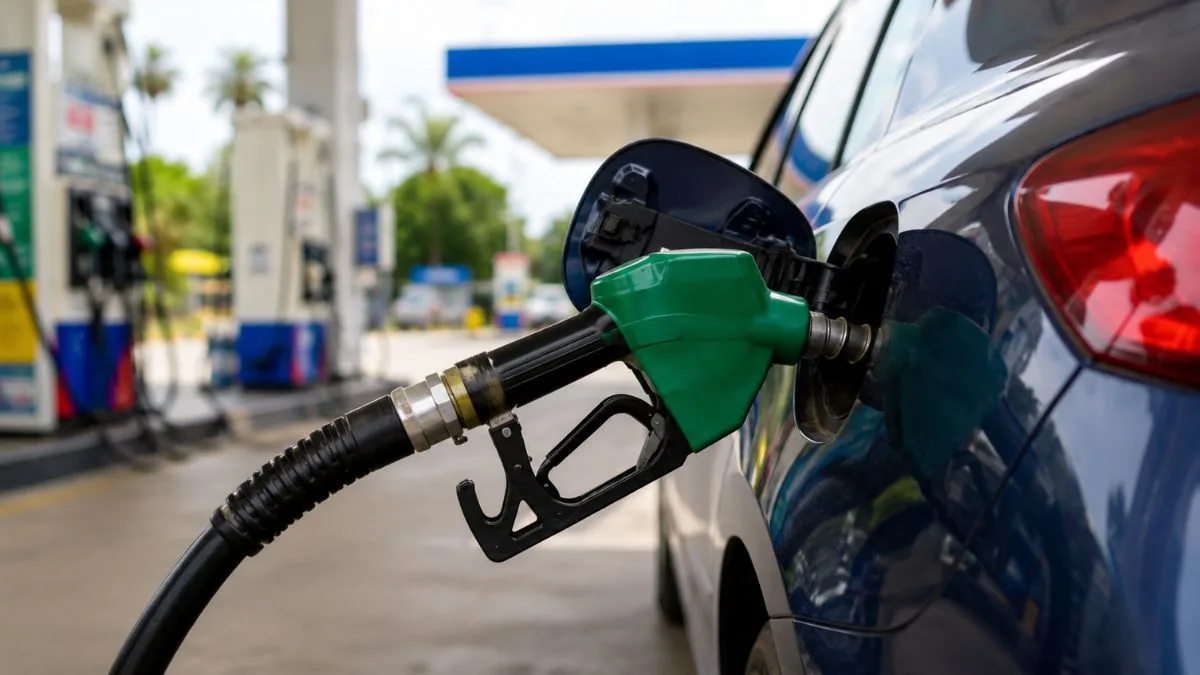
India’s push towards ethanol-blended petrol is rooted in sound national objectives. Reducing dependence on imported crude, insulating the economy from geopolitical shocks, lowering emissions and creating a larger market for agricultural produce are goals few would dispute. The problem lies not in the destination, but in the manner of the journey. A policy that promises long-term national gains cannot afford to overlook the immediate costs borne by millions of consumers. The transition to E20 fuel has exposed a familiar weakness in public policymaking: implementation racing ahead of public confidence.
Governments often assume that once a technical decision has been taken, citizens will simply accept it. That assumption rarely survives contact with everyday experience. When motorists notice reduced mileage, sluggish vehicle response or higher servicing bills, official assurances alone are unlikely to settle the debate. To be fair, there is no conclusive evidence that E20 is causing widespread engine damage. Automobile manufacturers have publicly defended the new blend, citing years of testing and service records involving millions of vehicles. Equally, critics have yet to produce rigorous scientific studies establishing that E20 is responsible for long-term mechanical failures.
Advertisement
Anecdotes, social media posts and isolated workshop experiences cannot substitute for comprehensive research. In parallel, fuel stations are selling additives of unknown quality as an “E-20 fix” and that increases costs. Yet the absence of proof is not the same as proof of absence. The government’s case would be considerably stronger if the technical studies underpinning its confidence were placed fully in the public domain. Independent scrutiny is not an obstacle to reform; it is the foundation of public trust.
Transparency becomes even more important when a policy affects virtually every petrol-powered vehicle on Indian roads. There is also a legitimate economic question. Ethanol contains less energy than conventional petrol, making some loss of fuel efficiency unavoidable. If consumers are travelling fewer kilometres for roughly the same price, they are effectively paying more for mobility, regardless of the broader national benefits. Expecting citizens to shoulder that burden without adequate explanation or compensating price signals risks creating unnecessary resentment. India’s experience also offers a lesson in managing technological transitions.
Countries that successfully adopted higher ethanol blends generally allowed vehicle fleets to evolve gradually before making them the norm. Compressing that process into a few years inevitably creates friction, particularly in a market where older vehicles continue to dominate. Public policy should account not only for future-ready consumers but also for those who must live with legacy technologies. The larger principle extends beyond fuel.
Economic reforms endure when governments combine ambition with transparency, consultation and credible evidence. Energy security is unquestionably a strategic imperative for India. But strategic success ultimately depends on public confidence. Winning that confidence requires more than official reassurance; it demands openness, independent validation and a willingness to address genuine consumer concerns rather than dismiss them as mere misinformation.