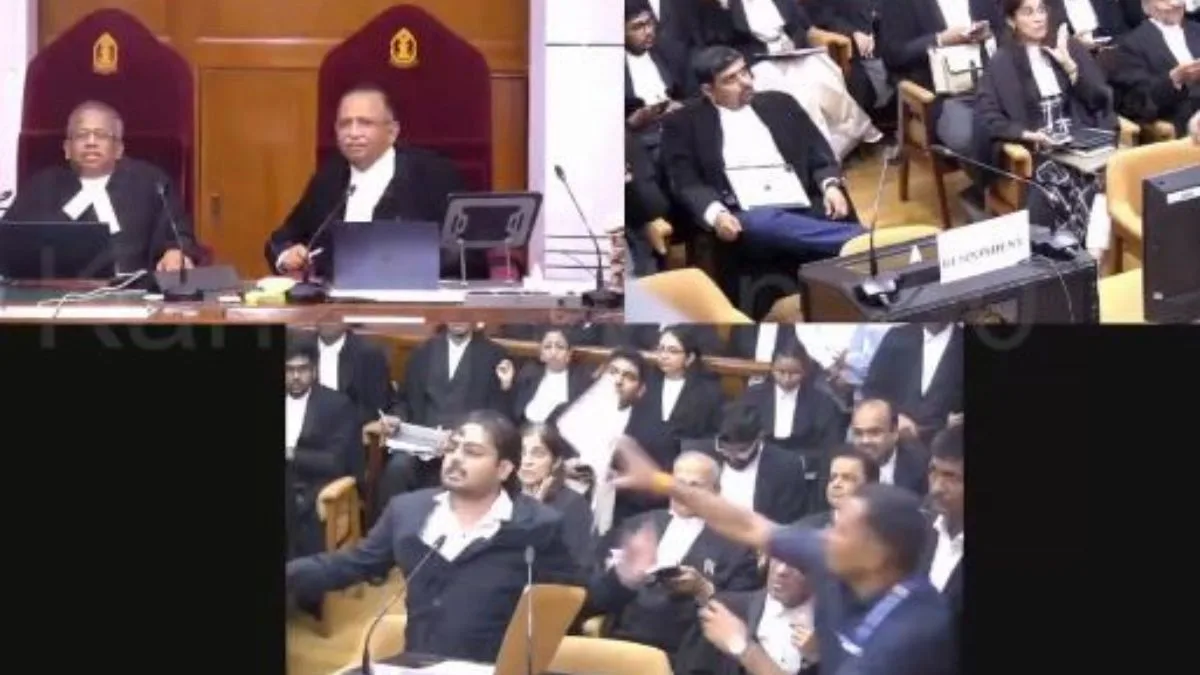
The Kerala High Court on Friday, July 10, rejected IAS officer and Cashew Department Secretary K Biju’s unconditional apology related to the controversial government order on prosecution sanction in the multi-crore Cashew Development Corporation corruption case.
The Bench has directed Biju to file a fresh affidavit after incorporating crucial omissions pointed out by the court, IANS reported.
Advertisement
While returning the affidavit, the court delivered a strong message to the state’s bureaucracy and cautioned civil servants against becoming instruments of the government in matters involving the judiciary.
“Do not try to confront the court. If you do, no government can protect you,” the judge warned.
The court noted that the government officers exist to serve the people and not defend the government.
Quoting Napoleon Bonaparte, the court further added, “A brave man dies only once.”
The contempt proceedings came up after a government order granted the CBI sanction to prosecute the accused in the Cashew Development Corporation import corruption case, which includes INTUC leader R Chandrasekharan.
Earlier, the Kerala High Court took serious exception to the wording of the order, stating that it appeared to create the impression that the state government had granted prosecution sanction only because it had been compelled to do so by the court, thereby shifting responsibility to the judiciary, IANS reported.
After being summoned by the court, Biju then submitted an affidavit expressing unconditional regret over the matter.
Also, he admitted that the language used in the order was inappropriate, though not intentional. Further, the senior official acknowledged that such wording should never have found a place in a legally valid government order.
However, the court found the apology incomplete and pointing out that it did not specifically acknowledge that the government had granted prosecution sanction after independently finding a prima facie case in the corruption allegations.