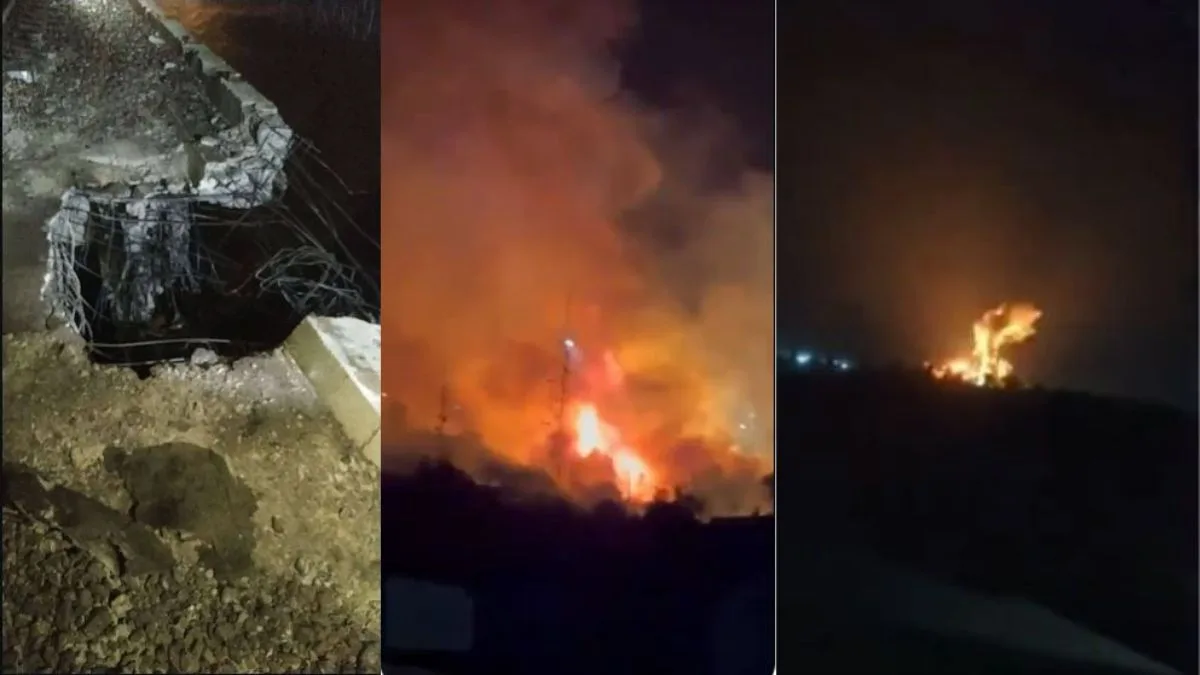
Sectarian Fallout
Sectarian divisions along the Shia-Sunni divide have long been a defining feature of the Middle East.
The Middle East has long remained one of the most turbulent regions in the world, a land where ancient civilizations, sacred histories, valuable resources and competing political ambitions intersect.




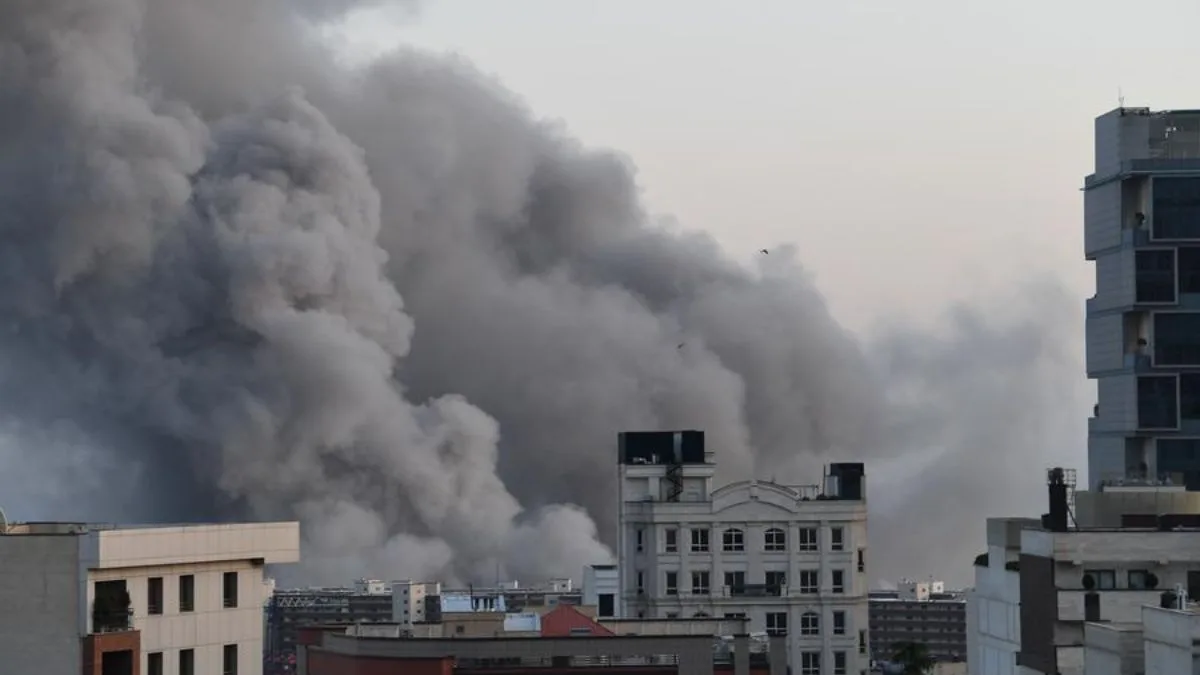
The Middle East has long remained one of the most turbulent regions in the world, a land where ancient civilizations, sacred histories, valuable resources and competing political ambitions intersect. It is a region that has given humanity some of its greatest cultural and intellectual achievements, yet it has also become a symbol of prolonged conflict, humanitarian suffering and geopolitical rivalry.
From the Israeli-Palestinian conflict to civil wars, sectarian tensions, foreign interventions and struggles for regional influence, West Asia continues to face a question that has haunted generations: Can peace survive in a region shaped by endless conflict? The search for peace in the Middle East has always been complicated because the conflicts of the region are not based on a single issue. They are the result of a complex combination of historical grievances, territorial disputes, religious sentiments, national identities, economic interests and the involvement of powerful external actors.
Advertisement
Every attempt at peace has faced the challenge of addressing not only political disagreements but also deep emotional wounds created by decades of violence and mistrust. The Israeli-Palestinian conflict remains at the heart of the Middle East crisis. For decades, both Israelis and Palestinians have experienced insecurity, loss and displacement. Israelis have sought recognition, security and protection from attacks, while Palestinians have demanded justice, self-determination and an end to occupation and restrictions affecting their lives.
Advertisement
The conflict has repeatedly erupted into violence, causing immense civilian suffering and making a lasting peace agreement increasingly difficult to achieve. The tragedy is that ordinary people on both sides continue to pay the highest price for political failures. Beyond this conflict, the region has witnessed several devastating wars and internal struggles. Countries such as Syria, Yemen and Iraq have experienced years of instability that have destroyed infrastructure, displaced millions and created humanitarian crises. These conflicts have often become battlefields for wider international rivalries, where regional and global powers compete for influence through political, military and economic means.
The suffering of ordinary citizens has frequently been overshadowed by larger strategic calculations. One of the major factors behind Middle East instability is the competition among regional powers. Countries such as Saudi Arabia, Iran, Turkey and Israel have different visions for regional influence and security. Their rivalries are shaped by political interests, ideological differences and concerns about military power. At times, these tensions have intensified conflicts in neighbouring countries, turning local disputes into wider struggles for dominance.
The influence of major global powers has also played a significant role in shaping the destiny of West Asia. For decades, the United States has maintained a strong presence in the region due to strategic interests, security partnerships and energy concerns. Russia has also expanded its influence, particularly through military and diplomatic involvement. Meanwhile, China has increased its engagement through economic investments and diplomatic initiatives. The changing balance among these powers suggests that the future of the Middle East may no longer be determined by a single dominant actor but by a more complicated competition among multiple forces.
Energy resources have historically added another layer of complexity to Middle Eastern politics. The region contains some of the world’s largest oil and natural gas reserves, making it strategically important for global economies. Control over energy resources and the security of supply routes have influenced international policies towards the region. However, as the world moves gradually towards renewable energy, the traditional importance of oil may decline, potentially changing the geopolitical calculations of major powers. The humanitarian dimension of the Middle East crisis remains the most painful reality.
Behind every political debate are millions of individuals affected by war and instability. Children growing up in conflict zones often experience trauma, interrupted education and uncertain futures. Families are separated, communities are destroyed and generations are forced to live with memories of violence. Humanitarian concerns should not be treated as secondary issues in political negotiations; they represent the human foundation upon which any lasting peace must be built. The rise of extremism and terrorism has also been both a cause and consequence of instability.
Long periods of conflict, political frustration and social insecurity have created conditions where extremist groups can exploit anger and hopelessness. Military responses alone have often failed to eliminate the deeper causes of radicalisation. Sustainable peace requires addressing poverty, political exclusion, lack of opportunities and the absence of justice. However, despite the darkness surrounding the region, there have also been signs of hope. Diplomatic initiatives, economic cooperation and changing relationships among some Middle Eastern countries show that conflict is not the only possible future.
Several nations have explored new forms of engagement based on trade, technology and shared interests. These developments suggest that political realities can change when leaders choose cooperation over confrontation. The future of peace in the Middle East will depend largely on whether regional and global actors recognise that security cannot be achieved through domination alone. A nation’s safety cannot permanently exist alongside another nation’s insecurity. True stability requires mutual recognition, respect for human rights, economic development and political solutions that address the legitimate concerns of all communities. The role of ordinary people is also important.
Governments may negotiate treaties, but lasting peace depends on societies overcoming hatred and fear. Cultural exchanges, education and people-to-people relationships can gradually rebuild trust where political agreements alone may fail. History shows that enemies of one generation can sometimes become partners of another when the desire for peace becomes stronger than the desire for revenge. The Middle East crisis is not merely a regional issue; it affects global security, migration patterns, energy markets and international relations.
Instability in West Asia has consequences far beyond its borders. Therefore, the international community has a responsibility to encourage peaceful solutions rather than viewing the region only through the lens of strategic interests. Can peace survive in a region of endless conflict? The answer depends on whether the Middle East remains trapped in the cycles of the past or chooses a different path.
Peace will not come easily, and it cannot be achieved through temporary agreements that ignore fundamental problems. It requires patience, courage and a willingness to compromise. Ultimately, the survival of peace in the Middle East will depend not only on political strategies but on a deeper transformation in how nations view security and coexistence. A region that has witnessed centuries of conflict can still become a region of cooperation, but only when humanity becomes the centre of diplomacy and peace becomes more valuable than power.
(The writer is a Thrissur-based accountant and freelance contributor)
Advertisement