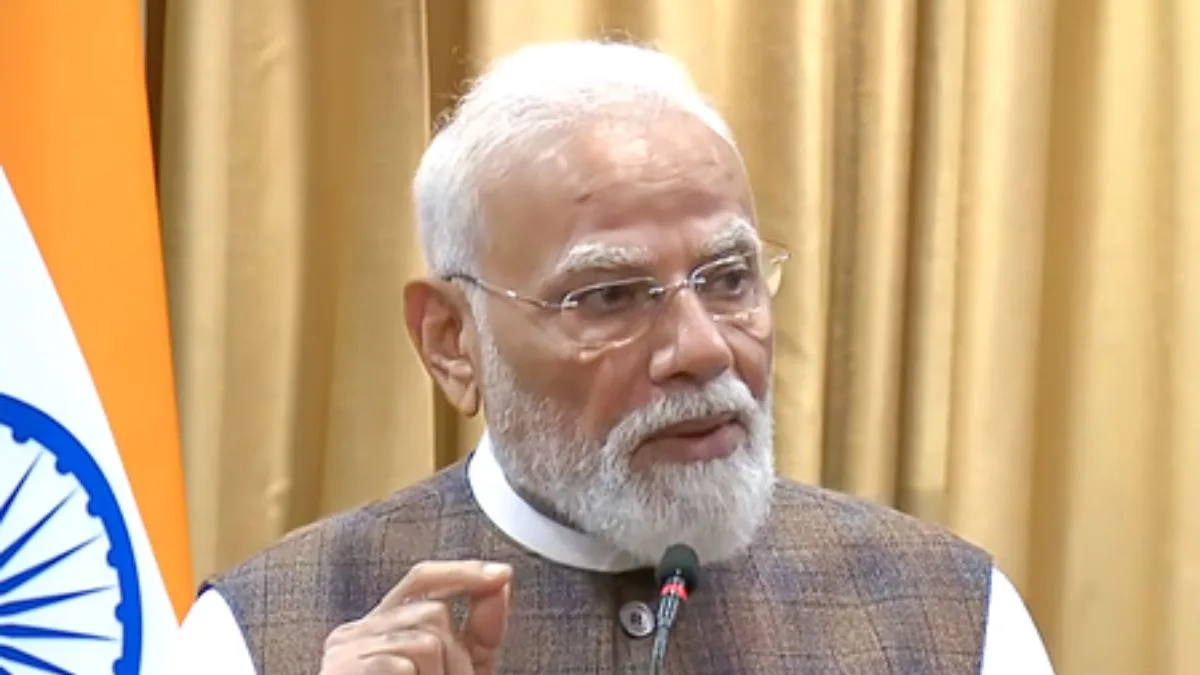
Punjab Chief Minister Bhagwant Singh Mann’s announcement of a major expansion of canal infrastructure comes amid a deepening power crisis, with farmers across the state alleging prolonged electricity cuts and staging widespread protests during the peak paddy transplantation season.
Addressing a Lok Milni programme in Moga, Mann said the state government would lay another 7,000 kilometres of canal pipelines by the end of this year to ensure irrigation water reaches every agricultural field. He claimed nearly 14,000 kilometres of pipelines have already been laid over the past four years and that canal water now reaches around 80 per cent of Punjab’s cultivable land. The Chief Minister also said groundwater recharge projects were underway across the state and that more than 21,000 cusecs of water had been released through the expanded canal network.
Advertisement
Mann maintained that farmers were receiving daytime electricity supply and projected the irrigation programme as one of his government’s major achievements.
However, the government’s claims have been overshadowed by growing anger over power shortages. With temperatures touching 45 degrees Celsius in several districts, residents and farmers complained of frequent and unannounced power cuts that have disrupted daily life and agricultural operations.
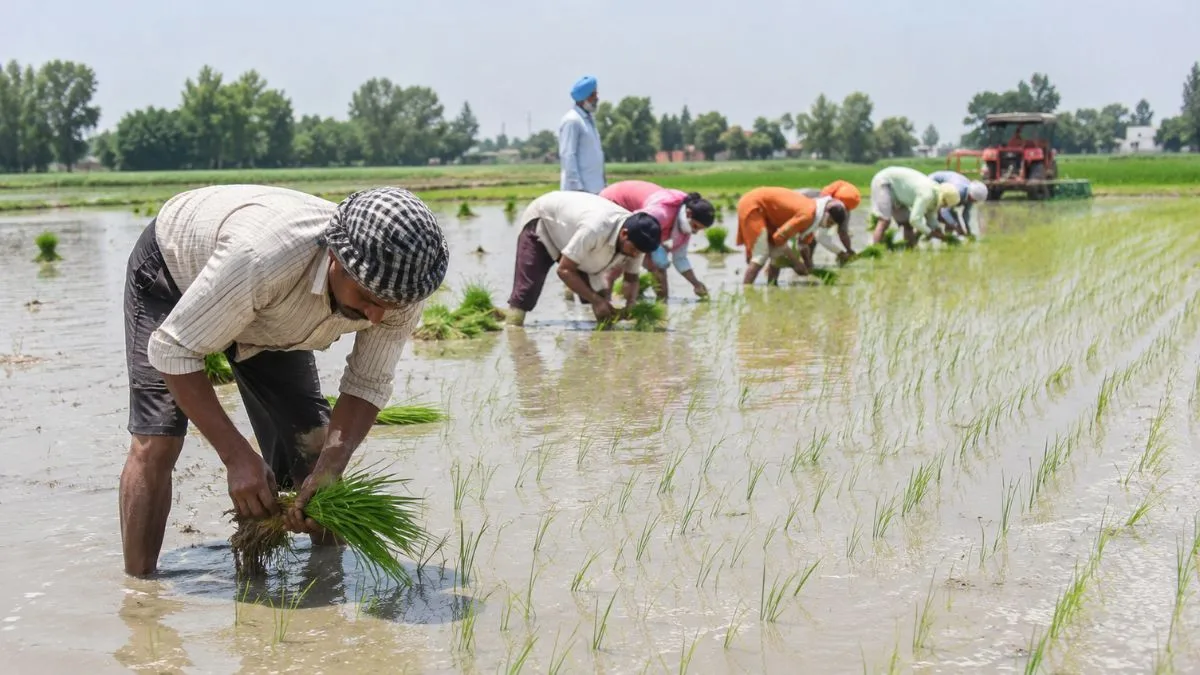
Farmers in Bathinda and Moga said the ongoing paddy transplantation season requires uninterrupted irrigation, but repeated outages have delayed field watering and raised fears of crop losses. Many alleged that electricity supply often takes several hours to resume after an outage, making irrigation schedules increasingly difficult to maintain.
The issue escalated on Tuesday as the Punjab Kisan Mazdoor Morcha staged protests at 31 locations across 17 districts, targeting offices of Powercom officials. Farmer leader Sarwan Singh Pandher alleged that the Mann government had failed to fulfil its promises on power supply and that farmers were facing severe hardship because of prolonged power cuts during both the day and night.
The organisation demanded 16 hours of uninterrupted electricity for agricultural motors and round-the-clock power supply for domestic consumers. Protesters also opposed the installation of smart meters, alleging they would impose an additional financial burden on consumers. They further accused the government of moving towards privatisation of the power sector and demanded immediate recruitment to fill vacancies in Powercom.
Political reactions have also intensified. Shiromani Akali Dal president Sukhbir Singh Badal accused the AAP government of failing to ensure uninterrupted electricity during the paddy season and claimed Punjab, once projected as a “power-surplus” state, was now witnessing widespread shortages.
Farmer leader Sukh Gill from Moga similarly alleged that the government had failed to prepare adequately for the seasonal surge in electricity demand, forcing both cultivators and urban consumers to bear the consequences.
Defending his government’s performance, Mann accused opposition parties of attempting to divert attention from development works. He alleged that parties rejected in the 2022 Assembly elections had united to target his government through “false campaigns”. He also highlighted welfare initiatives, including free electricity for most domestic consumers, government recruitment, healthcare schemes, improvements in schools and hospitals, and anti-drug measures.
The contrasting claims have placed Punjab’s power and irrigation management under renewed scrutiny at a time when the state is battling an intense heatwave and farmers require reliable electricity to sustain paddy cultivation, one of Punjab’s most water-intensive crops.