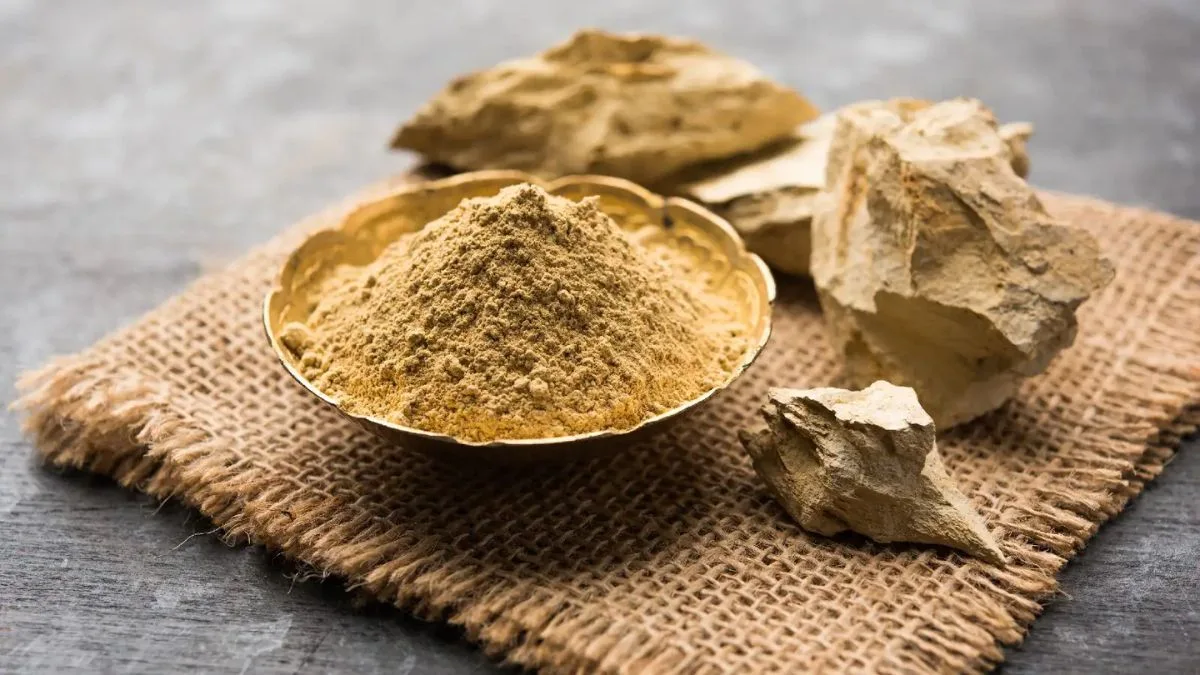
Acharya Balkrishna of Patanjali Yogpeeth posted on Facebook about using multani mitti for ghamori — the prickly heat rash that makes summers in India genuinely miserable for a lot of people. His advice was simple: soak multani mitti in water, make a paste, add rose water if you have it, and apply it to the affected areas before your bath.
Advertisement
Ghamori, for those who’ve never had it
If you’ve had it, you don’t need an explanation. It’s that cluster of tiny red bumps that shows up on your neck, back, or chest in peak summer — itchy, burning, and made worse every time your clothes rub against it. Medically it’s called miliaria rubra, and it happens when sweat ducts get blocked and sweat gets trapped under the skin.
It’s not dangerous, but it’s deeply uncomfortable. Babies get it a lot, and so do people who sweat heavily. The main risk is scratching it repeatedly until it gets infected — which, if you’ve had a bad case, you know is very tempting.
What is multani mitti
Most Indian households know what multani mitti is, but the name actually comes from Multan — a city in present-day Pakistan where it was historically mined. The English name is Fuller’s Earth. Chemically it’s calcium montmorillonite, a clay mineral with unusually high absorbency.
It’s been used in South Asian skincare for centuries — long before it started showing up in fancy face masks at the pharmacy. The core property that makes it useful is its ability to pull oil, moisture, and impurities out of the skin. Mix it with water and it also turns noticeably cool, which is part of why it’s been a go-to for heat-related skin problems for generations.
How to use it
Balkrishna’s method isn’t complicated. Soak multani mitti in water until you can mix it into a smooth paste. Add rose water if you want — optional, but it helps. Apply the paste to wherever the ghamori is, leave it on, then wash it off when you bathe. He said it brings quick relief from the burning and itching.
Why it actually works
The reason this remedy has stuck around is that it makes physical sense. Prickly heat is caused by blocked sweat ducts. Multani mitti, when applied to the skin, absorbs the excess moisture and sebum sitting in and around those pores. That directly addresses the blockage — which is what’s causing the inflammation and the itch in the first place.
The cooling sensation isn’t a placebo either. The clay genuinely drops in temperature when mixed with water, and that contact cooling on inflamed skin gives real, immediate relief.
Rose water adds something too. It has mild anti-inflammatory and antimicrobial properties, and its pH sits close to the skin’s natural pH — so it doesn’t irritate or disrupt anything. It also makes the paste smell a lot better, which isn’t nothing.
Old remedy, still relevant
Multani mitti for ghamori isn’t new. It predates commercial skincare by a long stretch — it’s the kind of thing your grandmother probably knew about. What’s interesting is that modern dermatology doesn’t really contradict it. Clay masks are widely used in skincare for their pore-cleansing and oil-absorbing properties, and Fuller’s Earth specifically shows up in pharmaceutical products too.
It’s one of those cases where the traditional remedy and the science behind it actually line up.