Cooking with spices: What every kitchen enthusiast should know
Whether you are a kitchen enthusiast or just want to update your knowledge on spices, here are a few uncommon spices that will elevate any dish when added.
Long before sustainability acquired glossy reports, ambitious targets and impressive acronyms, grandmothers had already solved half the problems.




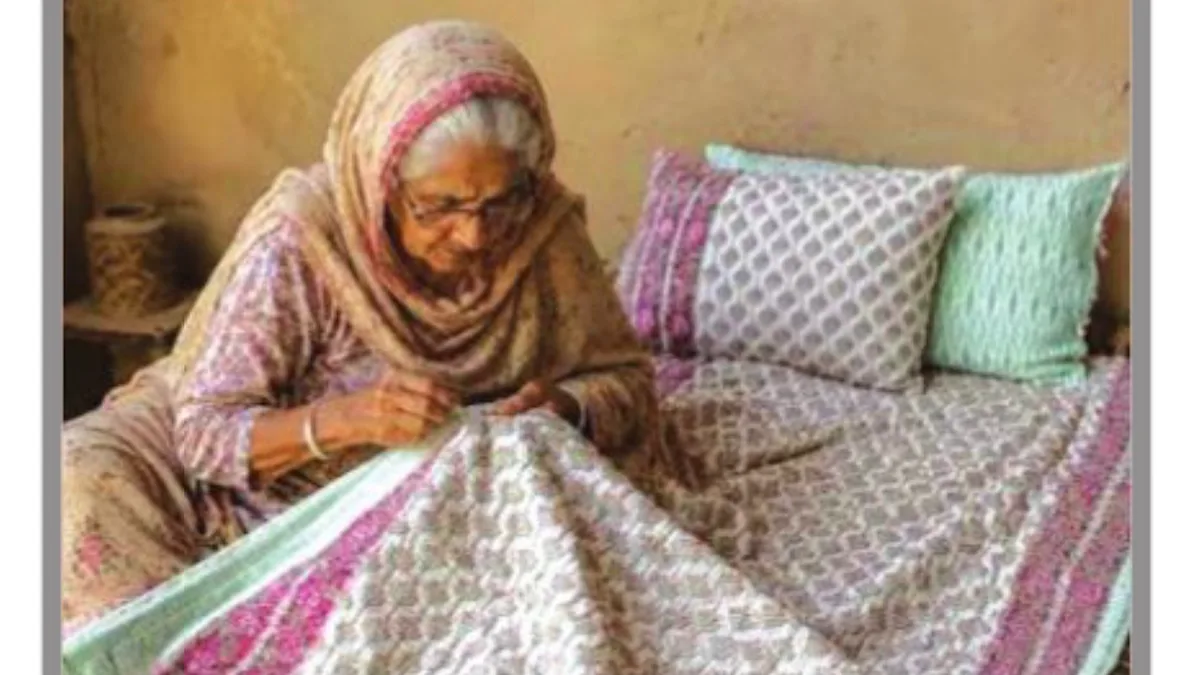
Photo:SNS
Long before sustainability acquired glossy reports, ambitious targets and impressive acronyms, grandmothers had already solved half the problems. They simply did not know they were supposed to call it sustainability. Nor did they seem particularly interested in announcing it. Grandmothers belonged to an era when common sense quietly performed duties that today require conferences, consultants and colourful presentations. Nothing, for instance, was ever truly wasted.
Glass jars did not retire after a single assignment. They graduated into distinguished careers storing spices, pickles and mysterious ingredients that nobody else was allowed to touch. Old saris acquired second lives as curtains, cushion covers or quilts stitched with stories. Worn-out shirts became dusters, and vegetable peels somehow transforme d themselves into something useful long before composting became fashionable. Grandmothers possessed an extraordinary talent. They could look at something headed for the bin and see possibility. The rest of us merely saw rubbish.
Advertisement
In hindsight, perhaps waste was never really a material problem. It was an imagination problem and grandmothers had imagination in abundance. More remarkably, they practised circularity without attending workshops. Plastic bags were folded with reverence and reused until they practically deserved retirement benefits. Rubber bands enjoyed extended careers. Gift boxes lived several reincarnations. Buttons occupied sacred spaces in metal tins, waiting patiently for emergencies that, mysteriously, always arrived.
Advertisement
No one questioned why fifty-year-old buttons were being preserved. Grandmothers understood something modern life occasionally forgets. Value does not disappear simply because usefulness changes. Perhaps they were the world’s first systems thinkers. They saw connections everywhere. Nothing existed in isolation. Food was linked to health. Health was linked to routine. Routine was linked to discipline. Discipline was linked to peace. Peace, according to them, was impossible if one skipped meals or refused to wear warm clothes in winter. Science, incidentally, appears to be catching up. Grandmothers also had a complicated relationship with leftovers.
They viewed uneaten food almost personally. Yesterday’s rice became today’s delicacy. Extra vegetables found themselves creatively reinvented. Nothing escaped transformation. One suspects that if grandmothers managed large corporations, waste audits would become deeply emotional experiences. “Throw away perfectly good material? Have you completely lost your senses?” The question would be followed by a look powerful enough to reduce entire management teams into silent reflection. Yet, sustainability was only one aspect of their genius. Grandmothers were masters of slow living before slow living became a movement. They understood that not everything valuable could be accelerated.
Pickles required patience. Relationships required patience. Growing up required patience. Healing required patience. Even tea deserved respect. No one hurried tea in a grandmother’s house. Strangely enough, nobody seemed to suffer because life moved a little slower. Modern civilisation, however, developed an unusual fascination with speed: Instant messages. Instant deliveries. Instant food. Instant opinions. We became remarkably efficient at saving time and strangely unsuccessful at enjoying it. Grandmothers would probably find the whole situation mildly amusing.
They belonged to a generation that measured wealth differently. Not by possessions. Not by followers. Not by algorithms. But by health, relationships and the contents of the kitchen. A well-stocked pantry apparently solved more problems than motivational podcasts. They also understood resource management with astonishing precision. One spoon of ghee was enough. Too much sugar was unnecessary. Water should not be wasted. Electricity deserved respect. One should absolutely switch off fans in empty rooms, because apparently electricity bills were not paying themselves. Entire generations grew up under the watchful eyes of energy managers disguised as grandmothers. They may not have studied climate change, but they certainly believed in not leaving lights on for decorative purposes.
Most importantly, grandmothers mastered something modern society desperately seeks – contentment. Not complacency, not resignation: Contentment. They understood the difference. Contentment did not mean the absence of ambition, it meant gratitude for what already existed, they repaired instead of replacing, cooked instead of ordering, shared instead of accumulating and somehow, without trying very hard, they managed to leave behind smaller footprints and larger memories. Yoga speaks of Aparigraha – the wisdom of not clinging excessively and not accumulating more than necessary.
Grandmothers, once again, had arrived there before the rest of us. Not because they had memorised Sanskrit texts, but because they had experienced life. They knew abundance and scarcity. Celebration and sacrifice. Loss and renewal. Somewhere along the way, they discovered that happiness required surprisingly little and relationships required considerably more. Perhaps that is why grandchildren remember them so fondly. Not because grandmothers owned extraordinary things. But because they transformed ordinary things into extraordinary experiences. Simple meals became feasts.
Stories became treasures. Afternoons became memories and affection became a language requiring no translation. Even their remedies possessed legendary confidence. Turmeric could apparently solve almost anything. Warm water had miraculous properties and rest, according to grandmothers, was not laziness but wisdom. The modern wellness industry now packages these ideas with scientific explanations and premium price tags. Grandmothers, meanwhile, quietly smile somewhere in the universe and say, “We told you so.” Perhaps that is their greatest lesson. Not sustainability.
Not resource efficiency. Not even systems thinking. But humility. They rarely sought applause. They simply served. Families. Communities. Traditions. future generations – they would never fully know. Like the best systems, they worked quietly and perhaps that is why their absence feels so loud. Long after recipes are forgotten and houses change hands, their wisdom remains hidden in small habits. Saving a rubber band, finishing what is on the plate, checking on neighbours, making tea for guests, keeping extra blankets and believing that almost everything – including people, deserves another chance.
May be grandmothers were never merely caretakers. Maybe, they were custodians of balance. The world’s first sustainability consultants. The original circular economists. Champions of mindful consumption. Guardians of relationships and silent teachers of a truth modern civilisation is slowly rediscovering: That enough is often abundance and that value, whether in things, food or people, rarely disappears. It merely waits patiently for imagination, gratitude and love to recognise it.
The writer is a certified yoga teacher, and heads marketing in a multinational company
Advertisement