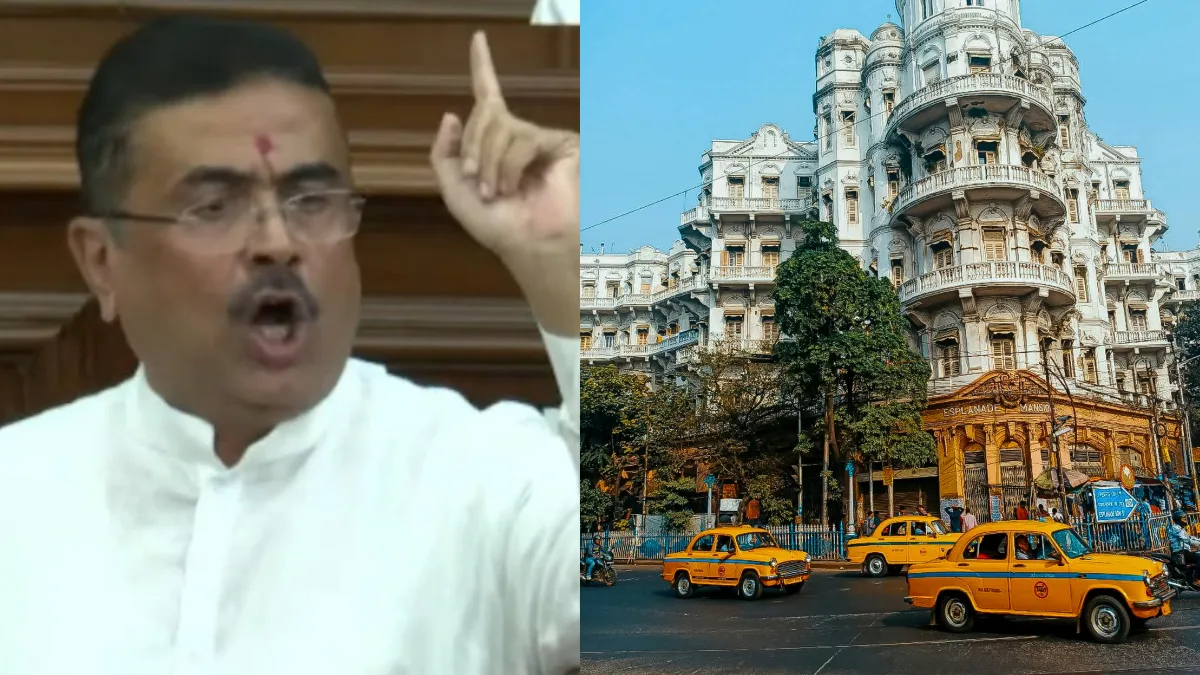
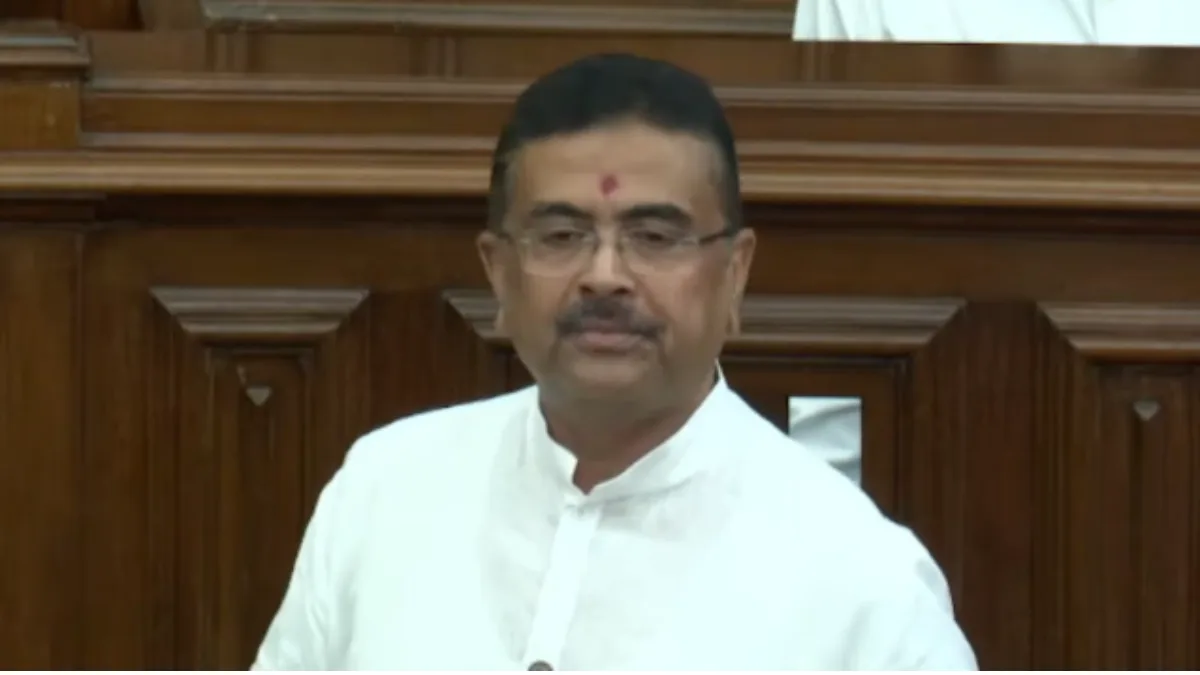
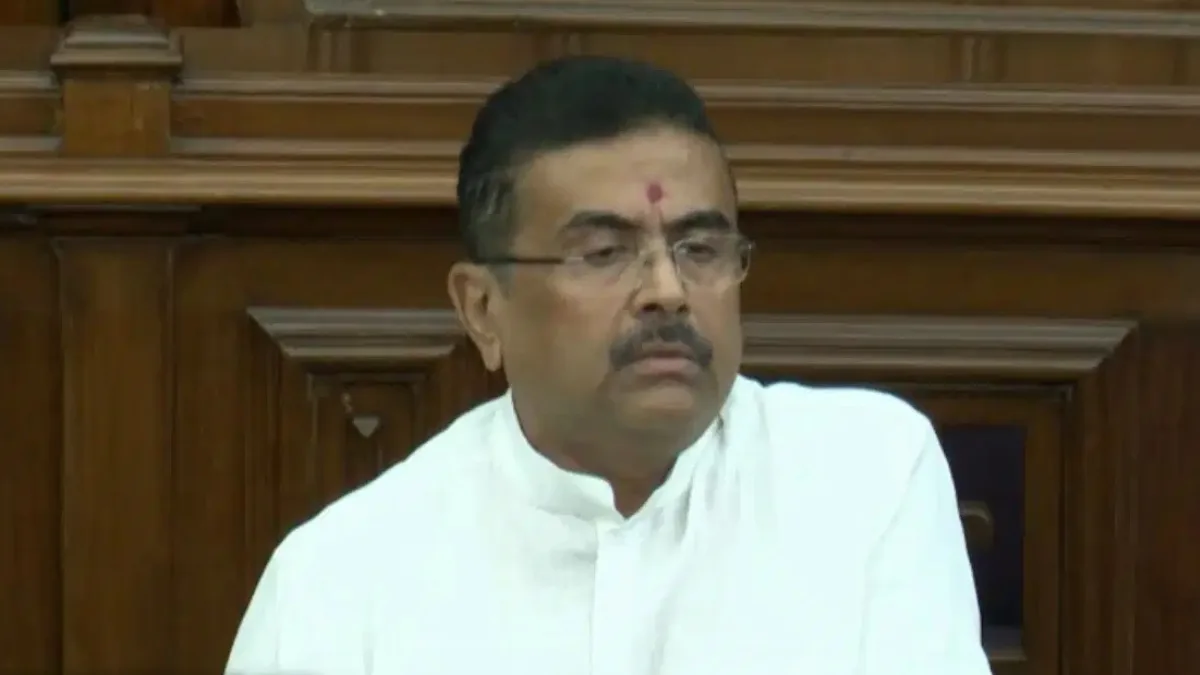
In a step that takes the cue from Bharatiya Janata Party (BJP) governments in other states, West Bengal Chief Minister Suvendu Adhikari on Tuesday announced the formation of a committee headed by Swami Pradiptananda alias Kartik Maharaj to review and recommend the renaming of roads and public places across the state.
Adhikari asserted that names of places associated with “Mughal and Pathan rule” would gradually be removed from Kolkata’s landscape.
Advertisement
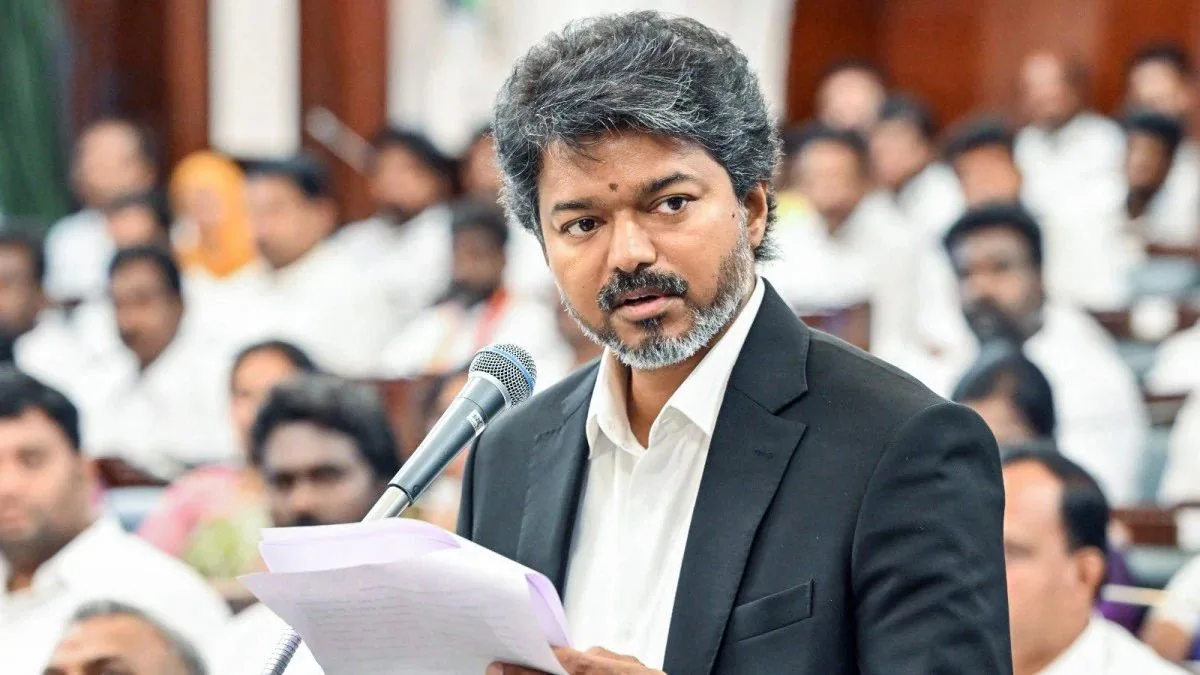
The announcement came during the Chief Minister’s reply to the debate on the Governor’s address in the Assembly, where he outlined his government’s approach towards preserving what he described as Bengal’s indigenous heritage.
Referring to the recent decision to rename Suhrawardy Avenue in the Park Circus area as Gopal Mukherjee Road, Adhikari defended the move and signalled that more such changes could follow in the coming months.
“There will be no place for Suhrawardy. No roads in Kolkata should continue to bear the names of Mughal or Pathan rulers,” the chief minister said in the House.
The remarks came after Leader of Opposition in the West Bengal Assembly, Ritabrata Banerjee raised questions over the renaming exercise and sought clarification from the government regarding the criteria being adopted for changing historical names.
Adhikari announced that a committee under the leadership of Kartik Maharaj would be tasked with evaluating names of roads, institutions and other public landmarks and recommending suitable alternatives.
According to the chief minister, the objective is to honour personalities who contributed to Bengal’s social, cultural and nationalist traditions.
The issue of renaming public places has emerged as a significant political theme under the new BJP government, which has always emphasised the need to recognise indigenous historical figures and icons.
Apart from the renaming controversy, Adhikari used his speech to draw a contrast between his administration and the previous Trinamool Congress government on the issue of democratic rights and political protests.
He assured the Assembly that opposition parties would not be prevented from organising demonstrations, rallies or sit-ins under the present dispensation. “There will be no obstruction to opposition programmes. They can organise rallies every day if they wish,” he said.
The Chief Minister also referred to former chief minister Mamata Banerjee’s recent protest programme at Kolkata’s Y-Channel. Recalling the administrative decision to allow the demonstration, Adhikari said the police had sought guidance regarding the venue and the government had permitted the sit-in.
He used the occasion to reiterate that democratic protests would be allowed under his government, while expressing confidence that the political mandate delivered by voters in 2026 represented a decisive shift in the state’s political landscape.
Adhikari said the government was focused on rebuilding the state and urged the opposition to cooperate on issues concerning development and governance.