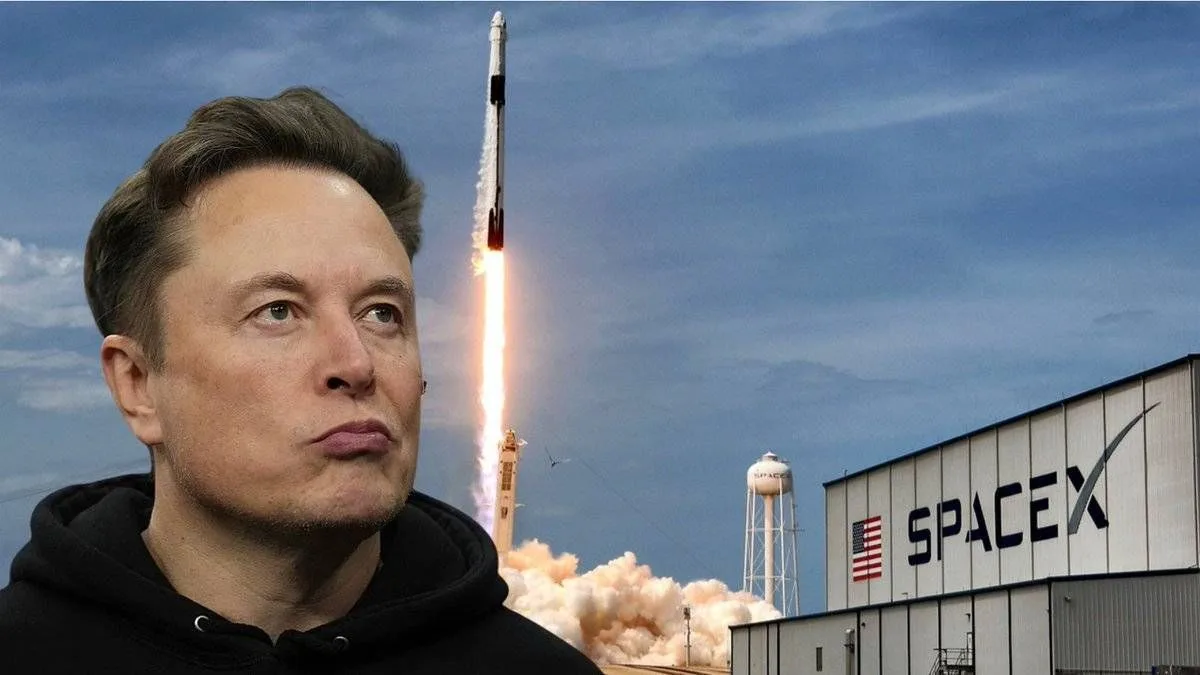
There was a time when financial markets valued companies on the basis of what they produced, what they earned and what they could reasonably be expected to achieve. Those principles have not disappeared, but every so often investors suspend conventional judgment and place their faith in a future that has yet to be built. The extraordinary enthusiasm surrounding SpaceX’s stock-market debut belongs firmly in that category. Viewed through the lens of traditional valuation, the numbers make little sense.
Rocket launches, however technologically impressive, do not generate the kind of revenues that justify a market capitalisation of more than $2 trillion at the close of the IPO. Even satellite broadband services, successful as they have become, struggle to bridge the gap between current earnings and astronomical market capitalisation. The explanation, therefore, lies elsewhere. What investors appear to be buying is not the company that exists today but the possibility of the company it might become tomorrow. Artificial intelligence has unleashed an unprecedented race for computing power.
Advertisement
Data centres already consume enormous quantities of electricity and face increasing constraints, from energy shortages and environmental concerns to regulatory hurdles and local opposition. The search for alternatives has begun. Among the more audacious ideas is the notion that future computing infrastructure could move beyond the Earth’s surface altogether. The concept sounds like the stuff of science fiction: vast orbital facilities powered by uninterrupted solar energy and serviced by fleets capable of carrying equipment into space at dramatically reduced costs. Yet some of history’s most transformative technologies initially appeared equally improbable.
Reusable rockets, once dismissed as fantasy, are now routine. Private companies have disrupted domains once monopolised by governments. The impossible has a habit of becoming inevitable when technological breakthroughs alter the economics of what can be achieved. That does not mean markets are always wise. Investors have repeatedly confused imagination with inevitability. The dotcom bubble was fuelled by genuine technological promise but collapsed because prices outran practical reality. Vision without execution is speculation. Execution without discipline is hubris. The central question, therefore, is not whether grand ambitions deserve admiration. It is whether society has become too willing to assign today’s prices to tomorrow’s dreams.
Markets increasingly reward narratives as much as balance sheets, charisma as much as cash flow. A founder’s past successes become a substitute for evidence that future bets will pay off. Yet scepticism should not descend into cynicism. Many of the technologies that define modern life exist because someone persuaded investors to finance ideas that looked absurd at the time. The challenge is distinguishing between transformative foresight and collective wishful thinking. Perhaps that distinction can only be made in retrospect. For now, investors have cast one of the largest votes of confidence in modern corporate history. Whether they are remembered as visionaries or participants in another age-old speculative fever will depend on a simple test: can tomorrow’s extraordinary promises become today’s ordinary realities?