Delhi BJP conducts cleanliness drive across all 256 mandals
The cleanliness activities were conducted in markets as well as temple premises, highlighting the importance of maintaining regular cleanliness.
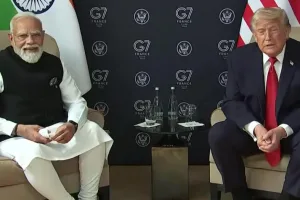
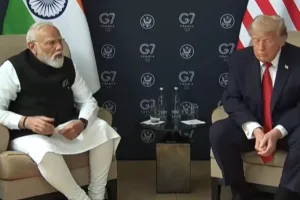
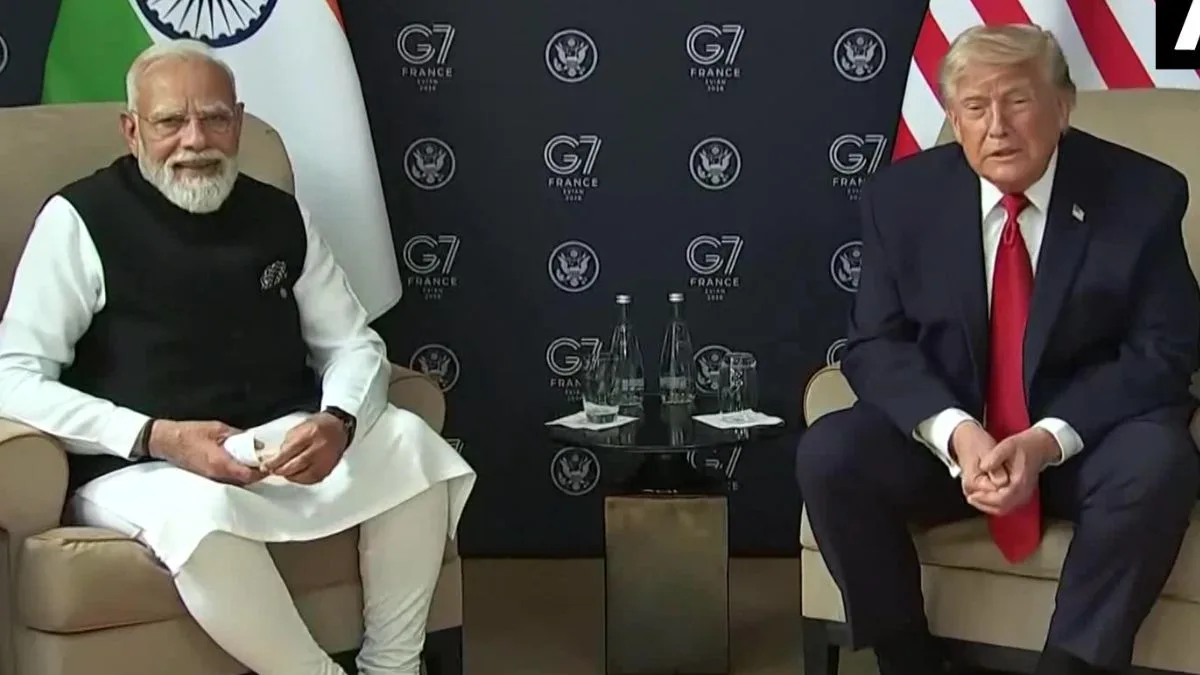
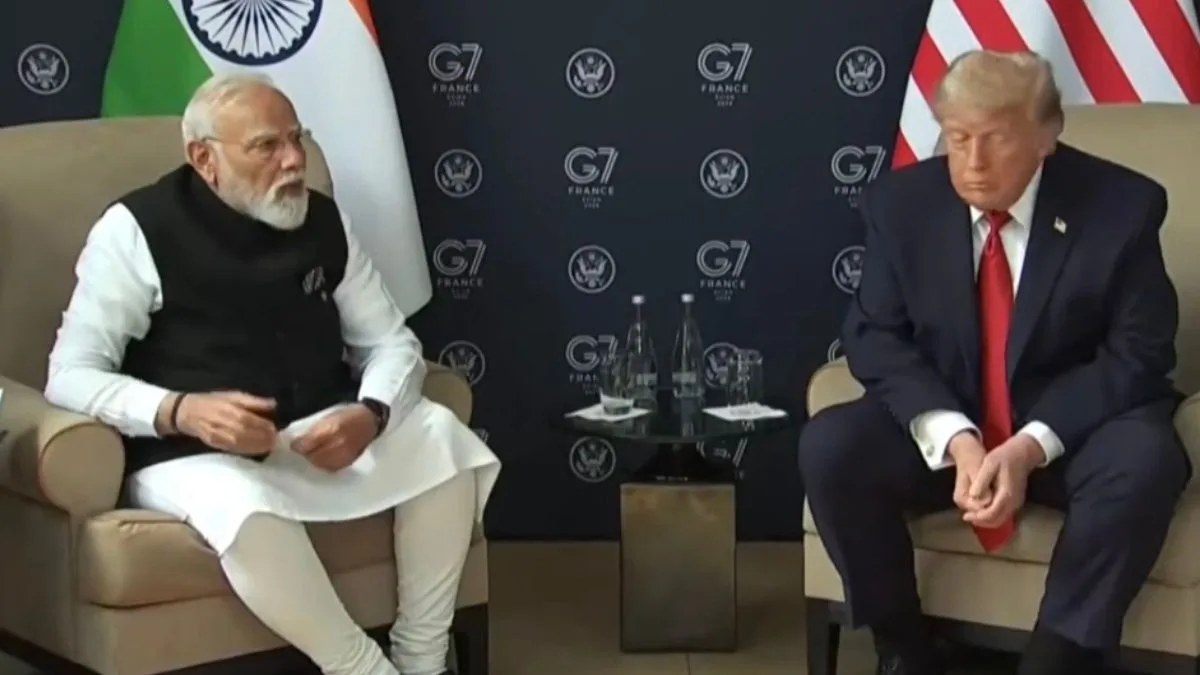
Prime Minister Narendra Modi and United States President Donald Trump held a crucial bilateral meeting on the sidelines of the 52nd G7 Summit in Évian-les-Bains, France, on Wednesday, marking their first face-to-face interaction in 16 months amid a backdrop of geopolitical tensions, trade negotiations and evolving strategic challenges.




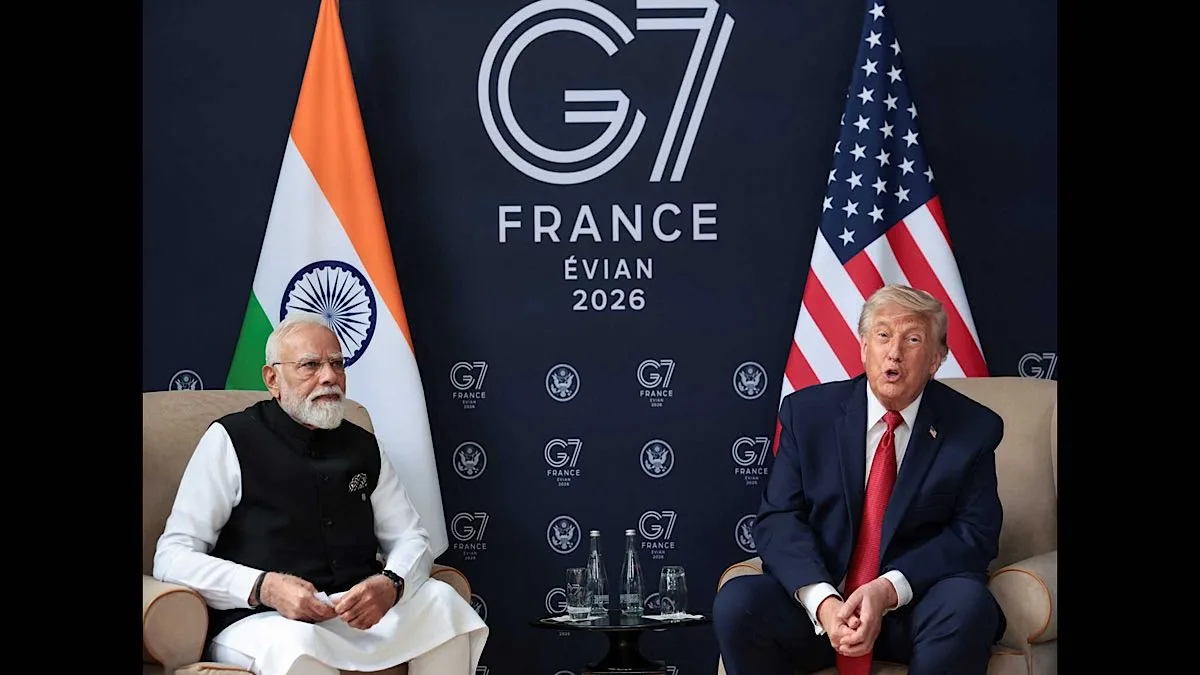
Photo:ANI
Prime Minister Narendra Modi and United States President Donald Trump held a crucial bilateral meeting on the sidelines of the 52nd G7 Summit in Évian-les-Bains, France, on Wednesday, marking their first face-to-face interaction in 16 months amid a backdrop of geopolitical tensions, trade negotiations and evolving strategic challenges.
The meeting that attracted significant international attention came at a time when conflicts in West Asia, disruptions to global maritime trade routes and the ongoing economic frictions reshaped global diplomatic priorities. The interaction opend another chapter in the long-standing personal rapport between the two leaders, who have met several times since Trump’s first term in office and have often highlighted the strength of India-US ties.
Welcoming President Trump, Prime Minister Modi praised his efforts towards regional peace and stability in West Asia. “Excellency, for the efforts and progress made for peace in West Asia, I congratulate you,” Modi said during the bilateral talks, underscoring India’s support for diplomatic initiatives aimed at reducing tensions in the region.
The leaders held extensive discussions on strengthening cooperation across key sectors, including trade, defence, energy security, technology, critical minerals and strategic supply chains. A major focus of the meeting was the progress of negotiations toward a bilateral trade agreement, which both sides have been seeking to conclude despite persistent disagreements over tariffs and market access.
Advertisement
President Trump expressed confidence that the two countries were close to a breakthrough. “We are very close to finalising a trade deal,” he said, while highlighting growing Indian investments in the United States. Trump noted that India was “spending a lot of money in the United States” and contributing to job creation through investments and manufacturing partnerships.
Advertisement
The US President also offered unusually warm personal praise for Modi, describing him as a “beautiful looking man” who “looks like an angel” while simultaneously calling him a “very tough negotiator.” Recalling the landmark “Howdy Modi” event in Houston, he said he looked forward to visiting India in the future and reaffirmed his commitment to expanding bilateral cooperation.
While the public optics of the meeting were cordial, the discussions reflected the complexity of current India-US relations. Modi raised India’s concerns over regional instability in West Asia and the impact of recent military developments on civilian maritime traffic. According to officials familiar with the discussions, the Prime Minister forcefully highlighted the deaths of three Indian civilian seafarers during recent military operations in the region and stressed the need to ensure the safety of international shipping lanes.
The Prime Minister also drew attention to growing security concerns in the Strait of Hormuz, one of the world’s most critical energy transit routes. He emphasised that disruptions in maritime trade and energy supplies were affecting economies across the globe and had direct implications for developing countries heavily dependent on imported energy resources.
Energy security emerged as another important item on the agenda. Modi reportedly conveyed India’s concerns over supply constraints and the economic impact of tariff-related measures linked to New Delhi’s energy procurement policies. The issue has assumed greater significance as global energy markets continue to face volatility amid geopolitical conflicts.
Beyond bilateral matters, Modi highlighted India’s role as a bridge between developed and developing nations, stressing that the concerns of the Global South must remain central to global decision-making. He noted that forums such as the G7 provide an opportunity to amplify the voices of emerging economies and address issues ranging from energy access and food security to sustainable development and technology inclusion.
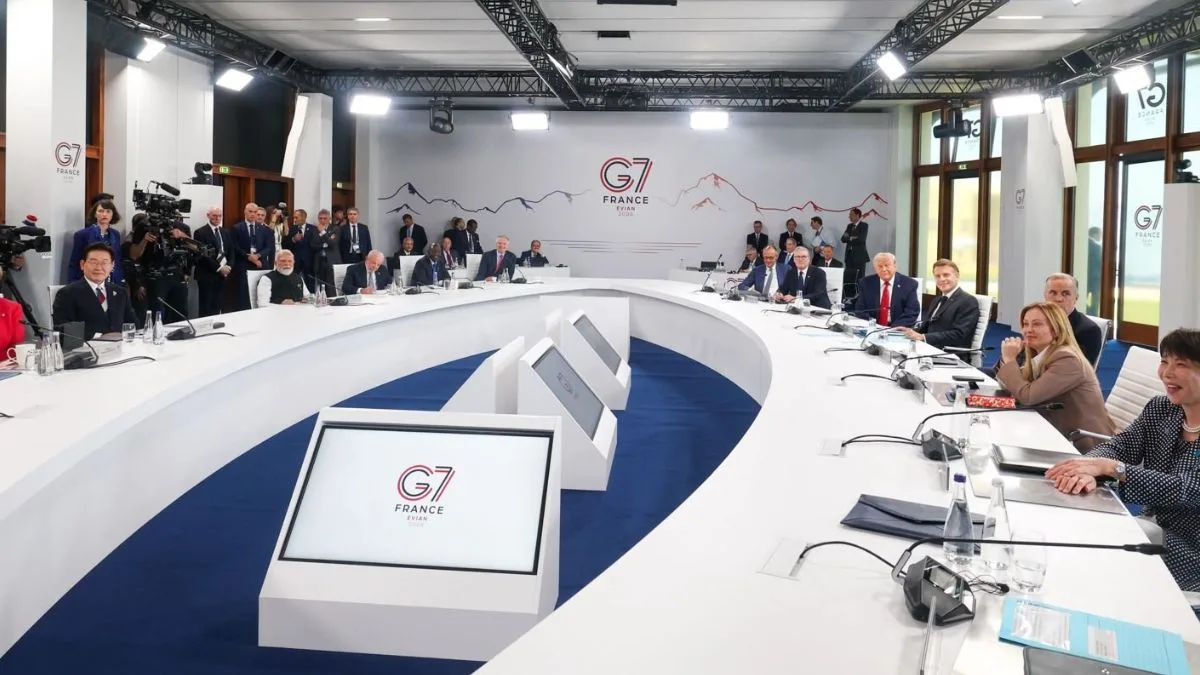
The meeting took place during Modi’s eighth consecutive participation in the G7 Summit, reflecting India’s growing importance in global economic and strategic discussions.
Over the years, New Delhi’s engagement with the G7 has expanded significantly, with India increasingly viewed as a key partner in addressing challenges related to supply chain resilience, climate action, technological innovation and regional security.
The Modi-Trump interaction was closely watched by governments and markets alike, given the strategic significance of the India-US partnership. Analysts believe that progress on a trade agreement, coupled with deeper cooperation in defence, critical technologies and energy, could provide fresh momentum to bilateral ties at a time of significant global uncertainty.
Following the meeting, Prime Minister Modi shared his remarks on social media platform X, writing, “Sharing my remarks during the meeting with President Trump.”
The talks concluded with both leaders expressing optimism about the future trajectory of India-US relations and reaffirming their commitment to expanding cooperation across a broad range of sectors, while addressing outstanding differences through continued dialogue and engagement.
Advertisement