Compensation or closure? Lawyer urges AI-171 crash victims’ families not to sign Air India settlement yet
The dispute centres on sweeping indemnity clauses that could shield multiple entities, not just the airline, from future legal claims.
A year after the Air India crash in Ahmedabad, attention is once again turning to what caused one of India’s worst aviation disasters.




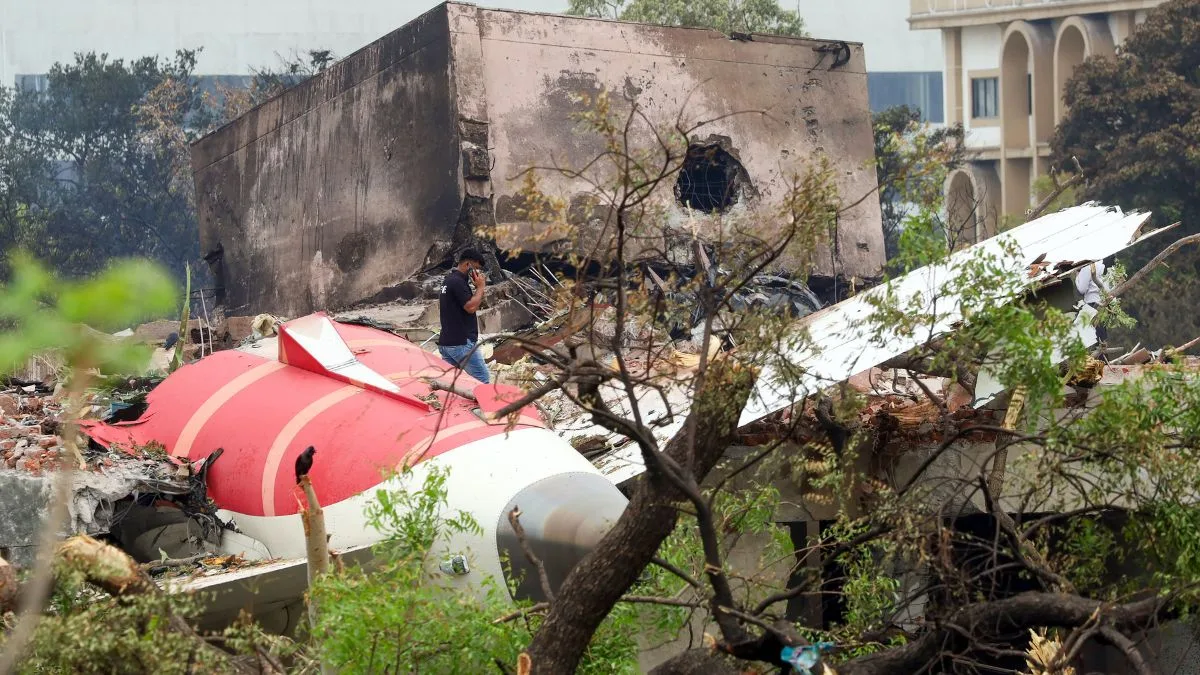
File Photo
A year after the Air India crash in Ahmedabad, attention is once again turning to what caused one of India’s worst aviation disasters. Investigators dissect technical failures, examine cockpit decisions and scrutinise maintenance records. Those questions matter. But they are not the only questions that matter. Modern societies have become adept at investigating disasters and remarkably poor at remembering their human aftermath.
The public conversation around major tragedies usually follows a familiar pattern. There is shock, saturation coverage, official inquiries and demands for accountability. Then, gradually, attention shifts elsewhere. New crises emerge. New headlines compete for space. Yet for those who survive, and for families who lose loved ones, the event does not move into the past. It becomes part of everyday life. This is particularly true in disasters that claim victims beyond their intended sphere. Far less attention is paid to those on the ground who happen to be in the wrong place at the wrong time. An aircraft is expected to carry risk for those who board it.
Advertisement
Yet the crash also killed 19 people on the ground, a fact that has largely faded from public memory. Workers, students, residents and passers-by often become secondary characters in the public memory of such events, even though their losses are no less profound. The Ahmedabad crash offers a reminder that the consequences of catastrophe extend far beyond casualty figures. They alter how communities experience familiar spaces. Buildings become memorials. Ordinary sounds become triggers. Daily routines acquire emotional weight. Recovery is therefore not a single event but a prolonged social process that can last years.
Advertisement
There is also an institutional lesson. Hospitals, colleges and local administrations are usually judged by how effectively they respond in the immediate aftermath of disaster. Equally important is how they manage the long shadow that follows. Psychological support, rehabilitation of the injured, assistance for bereaved families and preservation of collective memory are not peripheral responsibilities. They are central to genuine recovery. India’s rapid urbanisation makes this challenge increasingly relevant. Airports, highways, industrial facilities and dense residential zones now coexist in close proximity across many cities.
When accidents occur, the impact is rarely confined to a single group. Entire neighbourhoods can become unwilling participants in tragedy. Disaster planning must therefore extend beyond emergency response to include long-term community healing. The anniversary of a catastrophe should not merely be an occasion to revisit the mechanics of failure. It should also be a moment to recognise the quieter burdens carried by those left behind. Technical reports may eventually establish why a plane fell from the sky.
They cannot measure the empty chair at a family table, the lingering fear attached to a familiar sound or the memories embedded in a damaged building. A society demonstrates its maturity not only through its ability to investigate disasters but also through its willingness to remember those who continue living with their consequences. The headlines eventually fade. For many families, the story does not.
Advertisement