The Delhi government is set to take a major step towards strengthening the national capital’s public transport network with the planned induction of 2,800 air-conditioned low-floor electric buses under the Centre’s PM E-DRIVE scheme.
According to Delhi Transport Minister Dr Pankaj Kumar Singh, the proposed fleet will comprise 1,400 nine-metre and 1,400 twelve-metre electric buses.
Advertisement
The initiative is expected to improve the accessibility of public transport across Delhi by enhancing last-mile connectivity, particularly in the city’s peripheral areas.
The Transport Department has observed encouraging operational performance from the nine-metre electric buses currently deployed in the city, particularly in meeting local and feeder transport requirements and improving last-mile connectivity.
Building on this experience, the proposed induction aims to create a balanced fleet capable of serving both high-density corridors and neighbourhood connectivity needs.
The initiative forms part of the Delhi government’s broader vision to expand the city’s public transport fleet and increase the share of zero-emission mobility solutions.
The government aims to expand Delhi’s overall public transport bus fleet to nearly 14,000 buses by 2028–29, thereby enhancing service coverage and improving accessibility for commuters across the National Capital Territory.
At present, Delhi operates nearly 4,300 electric buses, making it one of the largest electric bus fleets in the country.
By the end of this year, the government aims to increase the number of electric buses to around 7,500, reinforcing its commitment to cleaner public transport and sustainable urban mobility.
According to the Transport Minister, the government is also pursuing the induction of 3,330 additional electric buses under PM E-DRIVE Phase II.
This includes 500 seven-metre electric buses aimed at strengthening feeder services and last-mile connectivity, particularly in rural areas and localities that have historically faced accessibility challenges in accessing essential services and facilities.
The minister noted that the government led by Chief Minister Rekha Gupta has been consistently pursuing measures to modernise public transport infrastructure and improve the commuter experience.
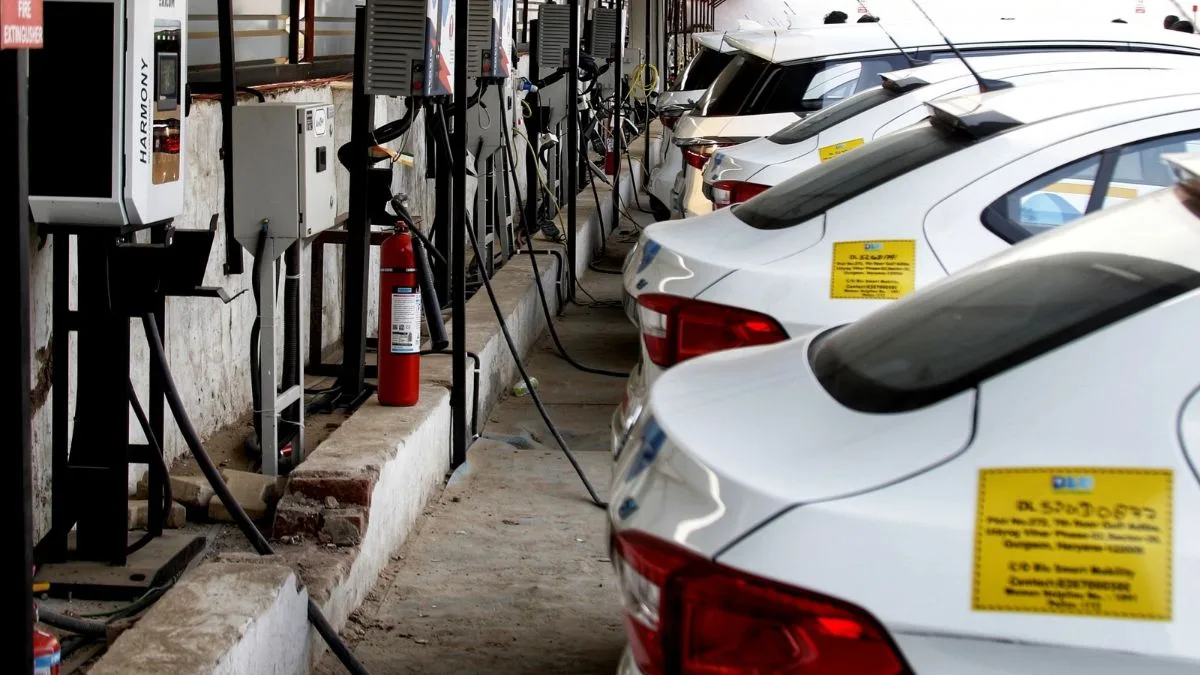
These initiatives also include the creation of the necessary charging and power infrastructure at bus depots to support the large-scale electrification of the fleet.
The programme is expected to contribute significantly to reducing vehicular emissions and improving air quality by providing a cleaner, safer and more reliable public transport system.