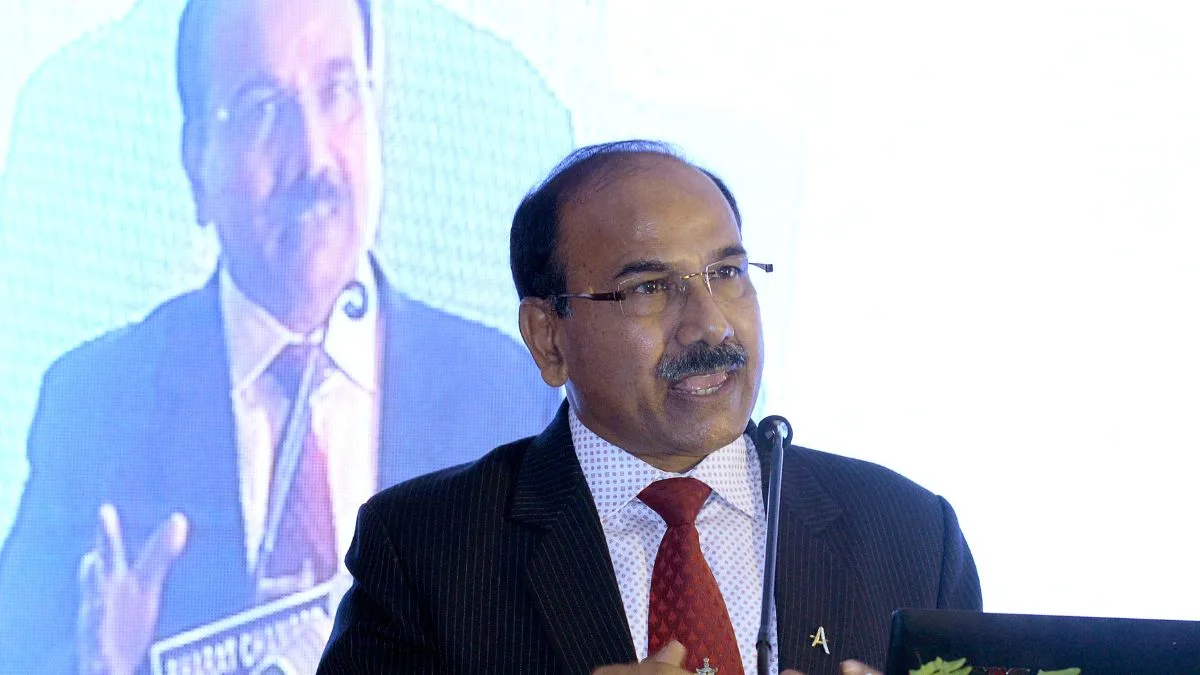
Former Indian Air Force chief Air Chief Marshal (Retd) Arup Raha has cast doubt on whether border fencing alone can curb illegal infiltration, saying strong intelligence networks and surveillance systems are far more effective in securing the India-Bangladesh border.
In an exclusive interview with The Statesman, Raha said the focus should be on detecting, tracking and acting against infiltrators once they enter the country, especially given the geographical challenges along large stretches of the border. His remarks come amid fresh efforts by the West Bengal government to facilitate fencing and other border infrastructure projects for the Border Security Force (BSF).
Advertisement
“Border fencing is just a waste. What we need to do is prevent infiltration. Once they get in, what are we going to do? That is more important,” Raha said.
The former IAF chief maintained that the real challenge lies not merely in securing the border but in building a robust intelligence network capable of identifying and monitoring those who cross illegally.
“We have to track them, have intelligence to catch hold of these people and then decide what action needs to be taken. Otherwise, this infiltration will continue,” he said.
‘The border is very porous’
Raha pointed to the difficult terrain along the India-Bangladesh border, saying complete fencing is neither practical nor sufficient to stop infiltration.
“The border is very porous. You may have fencing, but can you have fencing along a riverine terrain? Can you have fencing through huge forests, tropical forests?” he asked.
He added that the demographic realities of the border region make the challenge even more complex.
“The population is so dense in this area. So, infiltration will keep taking place,” Raha said.
Intelligence-led policing needed
According to Raha, strengthening intelligence agencies and local law enforcement should be the priority for authorities dealing with illegal infiltration.
“Once the infiltration takes place, we should have good intelligence agencies, especially police forces, to detect them, monitor them and then take appropriate action. Otherwise, border fencing is nothing,” he said.
The former Air Force chief stressed that surveillance, intelligence sharing and effective policing would yield better results than relying solely on fencing infrastructure.
Bengal clears land for BSF projects
The former Air Force chief’s remarks come as border security has once again moved to the forefront in West Bengal. The state government recently cleared land transfers for BSF fencing projects and permanent border outposts, removing hurdles that had held up several proposals for years.
West Bengal shares nearly 2,200 km of border with Bangladesh. Despite years of fencing work, about 600 km remains unfenced, keeping concerns over infiltration firmly in focus.