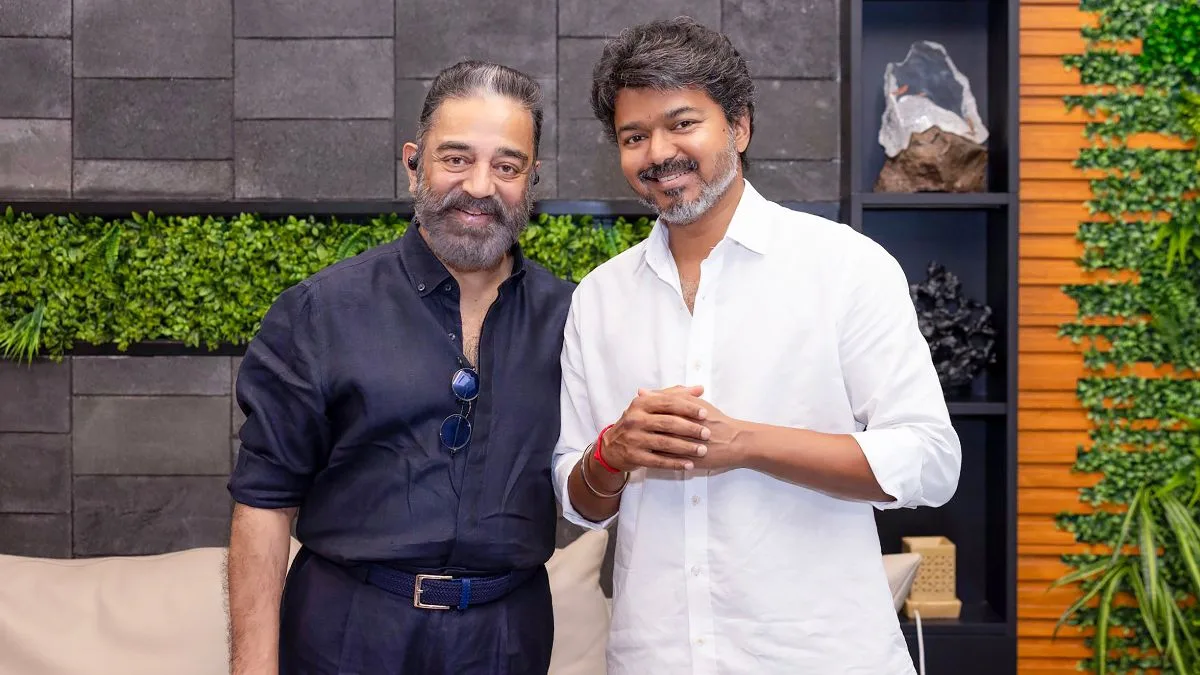
Actor and Makkal Needhi Maiam chief Kamal Haasan met Tamil Nadu Chief Minister C. Joseph Vijay late Saturday and handed over a formal six-point memorandum outlining urgent measures he believes are necessary to pull the Tamil film industry out of its current financial difficulties. Haasan followed up the meeting with a detailed post on X on Sunday, framing the proposals as a blueprint to secure a stable and prosperous future for all those who depend on Tamil cinema for their livelihood.
A government-run OTT platform at the heart of the demand
The most headline-grabbing demand in Haasan’s memorandum was his call for the Tamil Nadu government to launch its own over-the-top streaming platform. He envisions a state-backed digital space where Tamil audiences can watch Tamil films, independent productions, and documentaries at subsidised prices — making quality regional content more accessible to viewers across income groups. The proposal is a direct push against the dominance of private streaming giants who, Haasan implied, do not always prioritise regional language content or offer it at rates ordinary viewers can afford.
Tax relief and easing the burden on exhibitors
Haasan also put forth a strong case for scrapping the existing four per cent local body entertainment tax. He argued that with production budgets climbing and day-to-day operational costs eating into the margins of theatre owners and distributors, the industry cannot afford to absorb additional tax liability. Removing this levy, he contended, would give filmmakers and exhibitors breathing room at a time when many are struggling to remain commercially viable. To further bolster theatre revenues, he requested the government permit cinema halls across Tamil Nadu to run five shows a day for every film, rather than the current limit.
Crackdown on piracy through a dedicated cyber wing
Digital piracy ranked high on Haasan’s list of threats to the industry. He urged the state to create a specialised anti-piracy unit within the Tamil Nadu Police Cyber Crime Department, one equipped with the authority to pull down pirated content in real time rather than after the damage is done. The MNM chief noted that the current pace of enforcement allows pirated versions of films to circulate freely online within hours of a theatrical release, stripping away potential revenue from producers, distributors, and theatre owners alike.
OTT release window and production incentive scheme
To give theatres a fighting chance against the pull of early digital releases, Haasan proposed an eight-week mandatory window before any film shown in Tamil Nadu cinemas can be made available on streaming platforms. This measure, he said, would protect the earnings of theatre owners and distributors who invest heavily in bringing films to local audiences.
Rounding out his recommendations was a call for a structured film production incentive scheme that would bring large-scale shoots back to Tamil Nadu, create jobs within the state, and double as a tourism driver by drawing productions to different locations across the region.