Ahead of the monsoon season, Delhi’s Irrigation and Flood Control Department has accelerated its de-silting operations across the national capital’s major drains, achieving over 57 per cent of its target so far in a bid to minimise water logging and urban flooding.
According to official figures, desilting work across 76 drains has reached 57.68 per cent completion, with more than 16.48 lakh cubic meters of silt already removed against a total target of 28.57 lakh cubic meters. The progress is particularly significant in critical stretches. Work on 21 priority drains has already crossed 76 per cent completion, indicating near-readiness ahead of the rains.
Advertisement
The Najafgarh drain system, one of Delhi’s most flood-prone zones, has achieved nearly 48 per cent progress, while the remaining 55 drains have also shown steady momentum, touching over 63 per cent completion.
Advertisement
Officials on ground say the vulnerable points identified from previous monsoon seasons are being prioritised to ensure smoother water flow.
Alongside desilting, the department is strengthening its mechanical capacity, with a comprehensive procurement plan worth over Rs 94 crore underway to deploy advanced equipment for drain cleaning and maintenance. This includes 38 specialised machines such as draglines, long-boom hydraulic excavators, amphibious excavators and dredgers, designed specifically for deep and wide drains.
So far, 12 machines have already been procured, while orders for additional equipment have been placed and tenders for the remaining are in process.
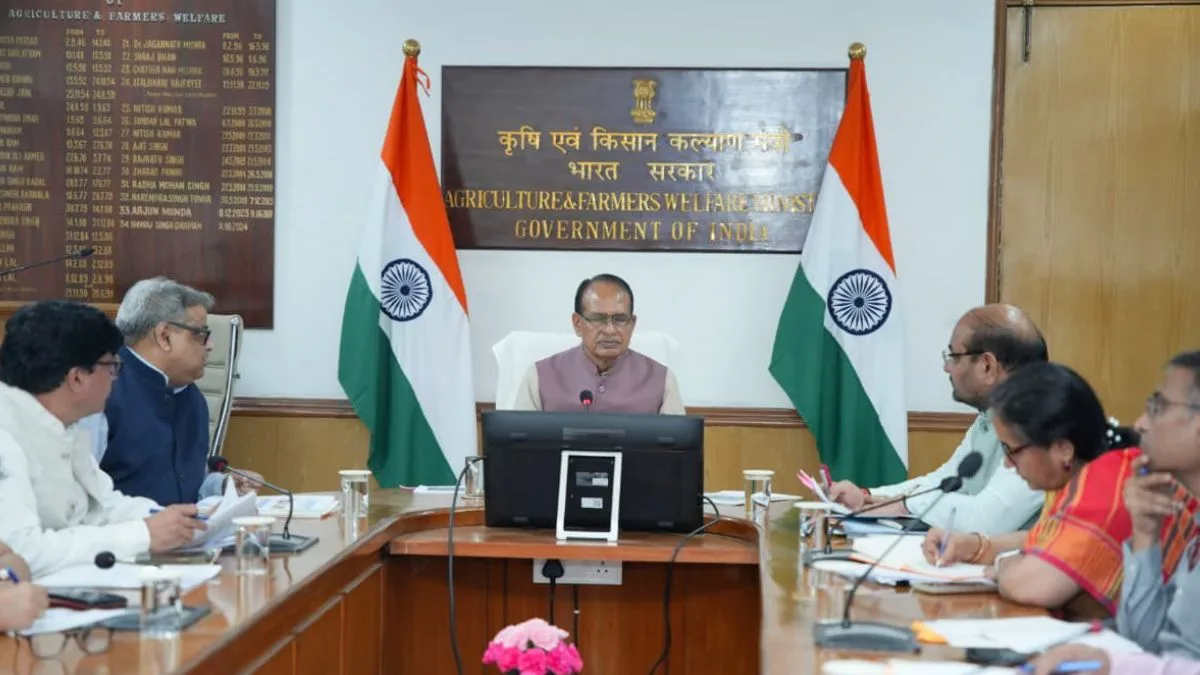
Delhi Minister Parvesh Verma, who reviewed the preparedness, said the focus this year is on execution and accountability rather than paperwork. “Our priority is clear, before the monsoon arrives, every critical drain must be cleaned and functional. We are not leaving things for the last moment. Work is being monitored closely at every level,” he added.
Verma further said, “We have strengthened both manpower and machinery. The idea is to ensure that during heavy rainfall, water does not accumulate and disrupt daily life. This is about preparedness, not reaction.”
Advertisement