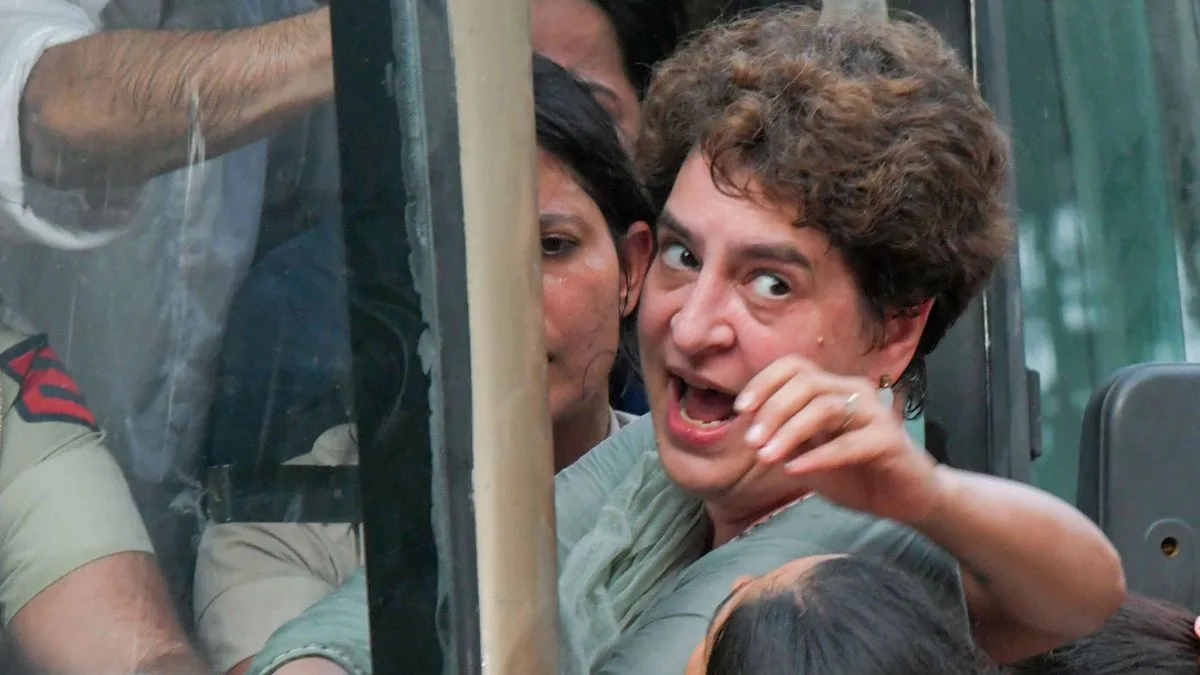
Congress PM house protest: Priyanka Gandhi released from detention after Sonia Gandhi visit to police station
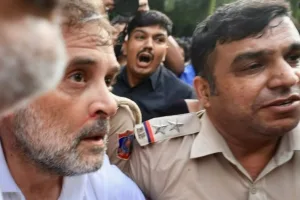
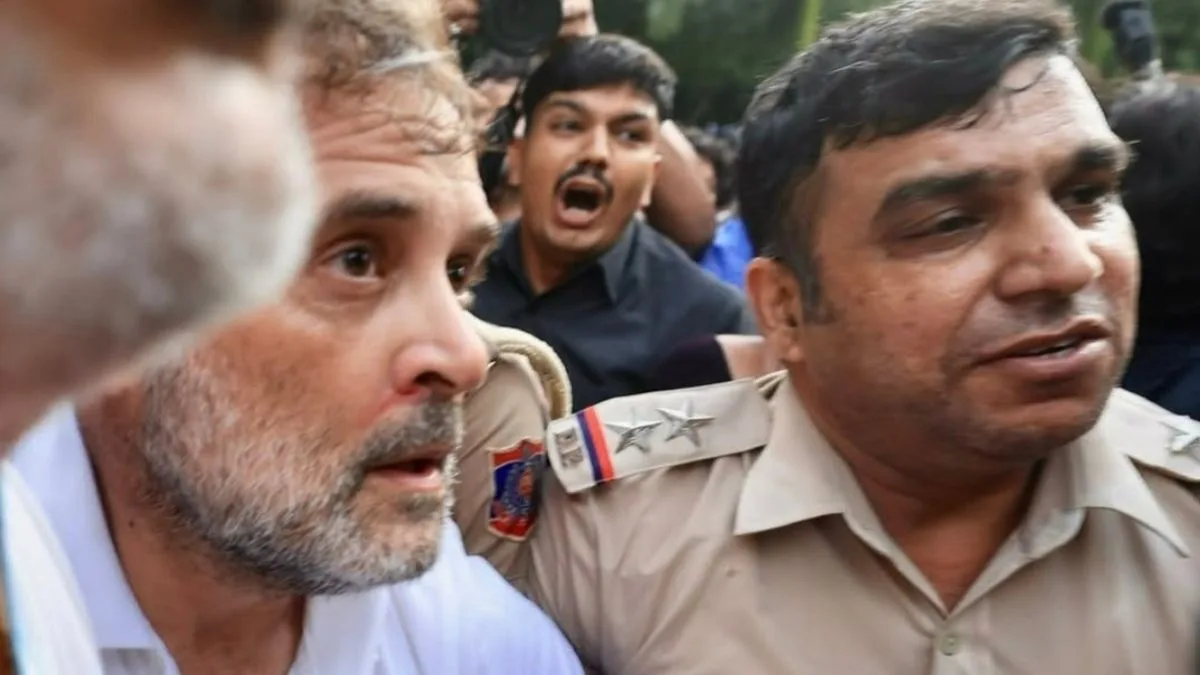
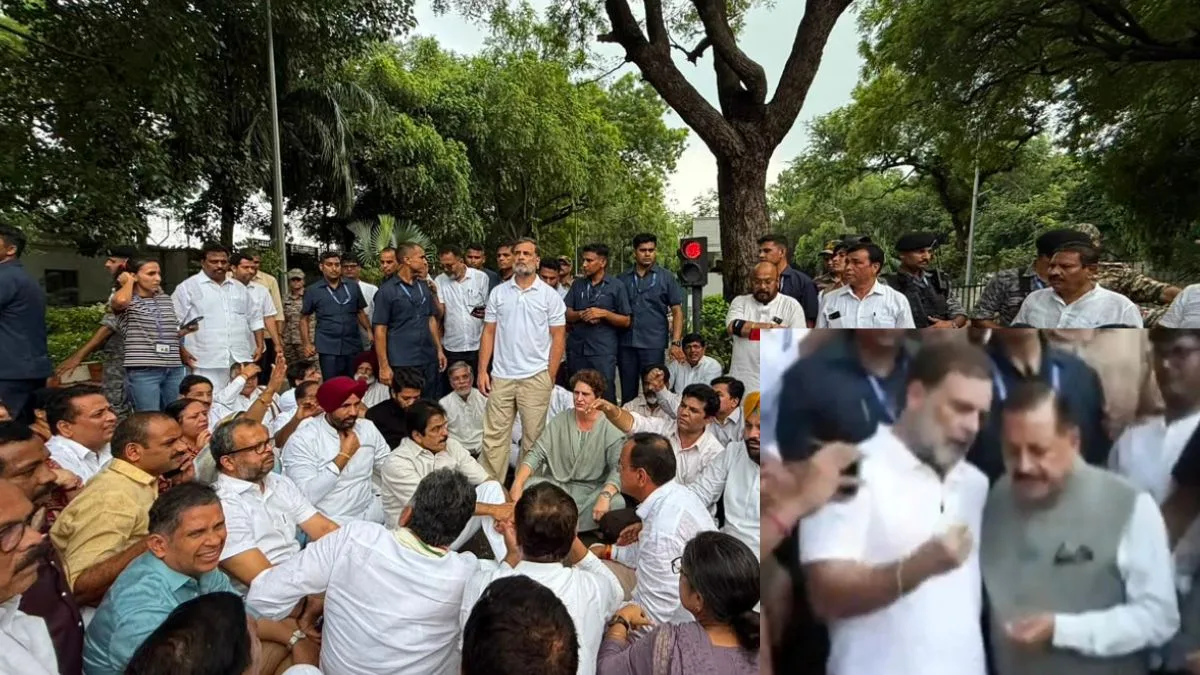
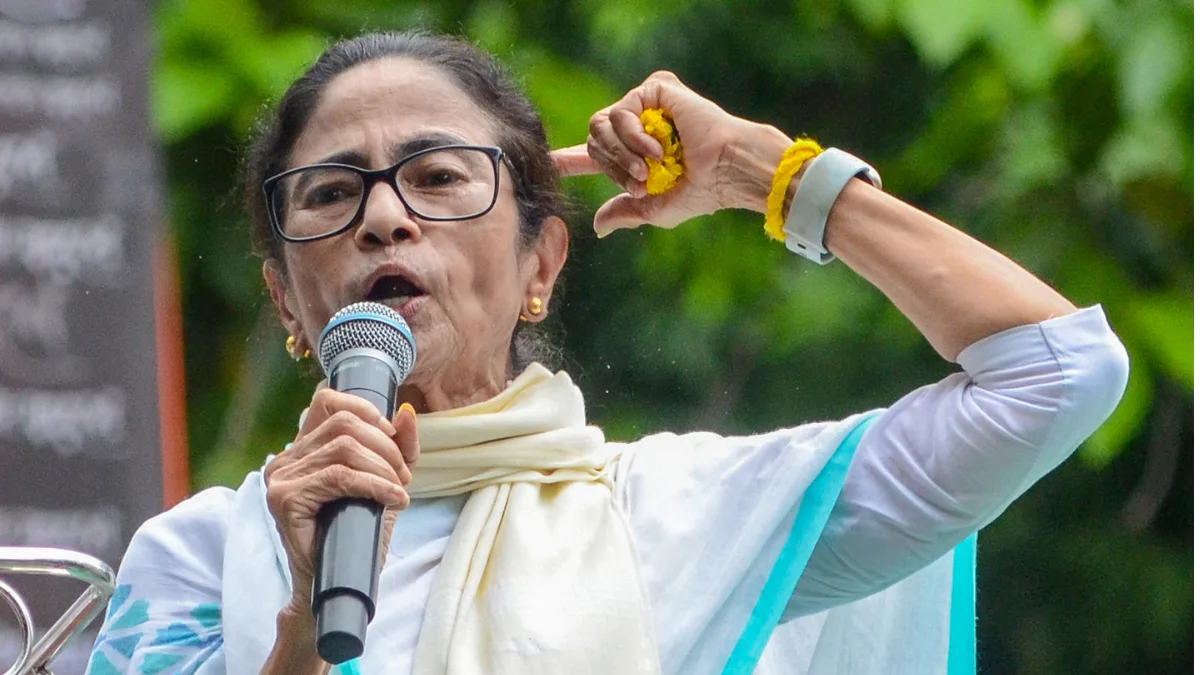
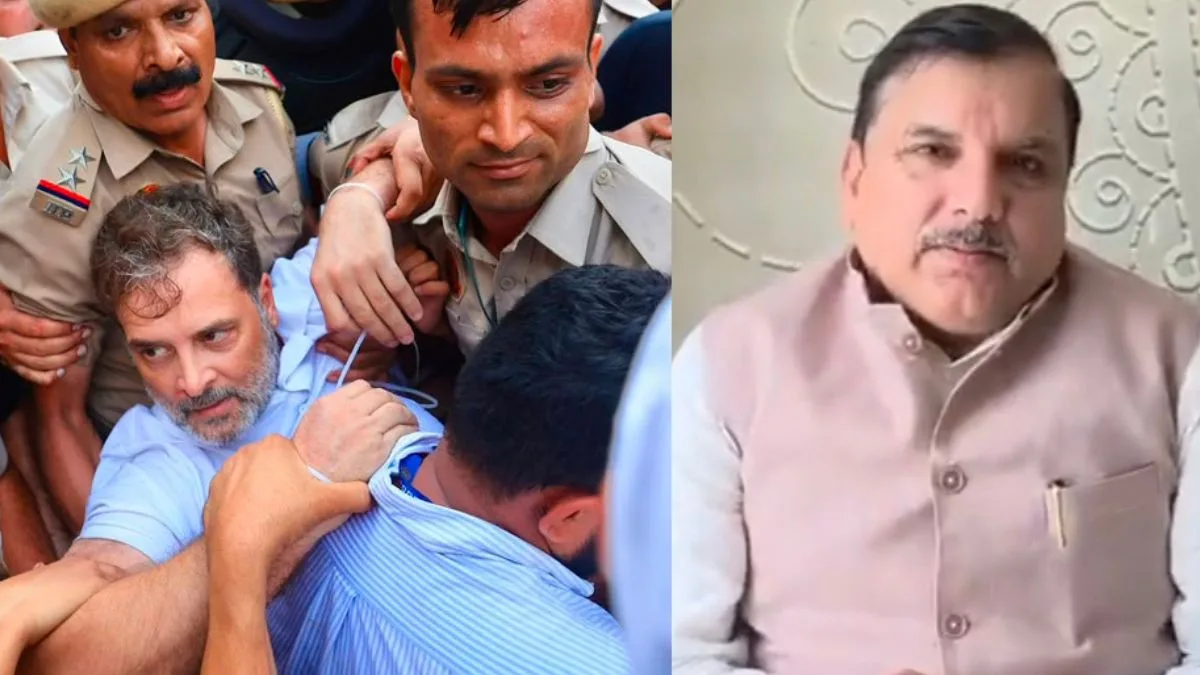
Several Opposition leaders, including Priyanka were detained and brought to the Mandir Marg police station.
With just two days to go before the special session of Parliament on April 16, political temperatures are rising over the issue of delimitation and its link to women’s reservation.




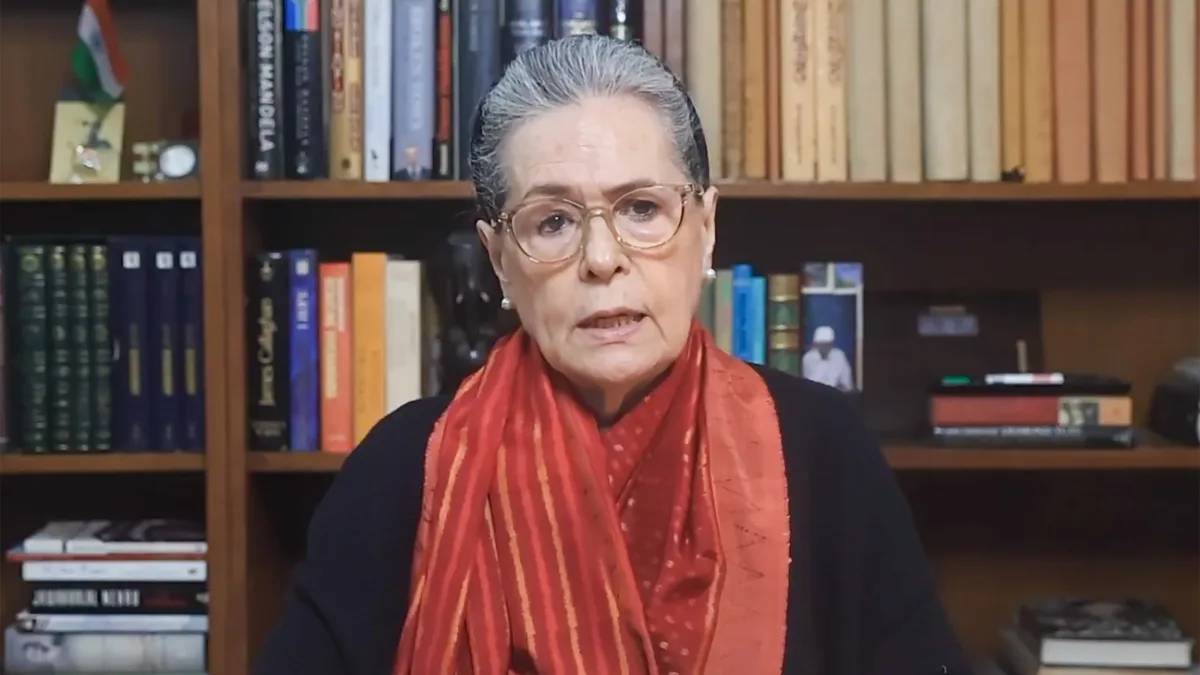
File image of Sonia Gandhi (Photo: IANS)
With just two days to go before the special session of Parliament on April 16, political temperatures are rising over the issue of delimitation and its link to women’s reservation.
According to Sonia Gandhi, chairperson of the Congress Parliamentary Party, delimitation, not women’s reservation, is the core issue behind the Centre’s decision to convene the April 16–18 session.
Advertisement
While reiterating support to women’s reservation, the Congress, along with several regional parties, are expressing concern over the methodology of the proposed increase in Lok Sabha seats to implement 33% reservation for women.
Advertisement
The argument is that states which have successfully implemented population control measures may lose relative influence, while states with higher population growth could gain more seats, a scenario that would disproportionately benefit northern states.
The Congress and its allies have a strong base in southern states such as Kerala, Karnataka, and Tamil Nadu—regions that, they feel, will see smaller gains compared to northern counterparts, potentially diminishing their role in national decision-making.
Government sources, however, maintain that proportional redistribution will address all concerns. For example, rough estimation suggest that everyone will see around 50 percent increase, such as seats in Uttar Pradesh could rise from 80 to around 120, while Tamil Nadu may increase from 39 to about 60 and Kerala from 20 to 30.
Opposition leaders, however, counter that in this way difference would even widen. For instance, the current gap between Uttar Pradesh and Kerala—60 seats (80 vs 20)—could increase to 90 seats (120 vs 30), amplifying regional imbalance, if this happens.
Therefore they are accusing the government of using the women’s reservation provision as a “diversion tactic” to push delimitation for political advantage for the 2029 Lok Sabha elections. Tamil Nadu Chief Minister M. K. Stalin has accused the BJP-led Centre of using the women reservation as a “weapon” against the Opposition for delimitation to its advantage.
In an article, Sonia Gandhi, too, cited unofficial information about the government’s plans, warning that they could significantly alter political representation and undermine constitutional principles. She stressed that any increase in Lok Sabha strength must be politically—not merely arithmetically—equitable.
In other words delimitation based on current population data could favor northern states, particularly the Hindi belt, including Bihar and Uttar Pradesh.
The Women’s Reservation Bill, known as the Nari Shakti Vandan Adhiniyam, was passed in 2023 and provides for one-third reservation for women in legislatures. The special session is expected to discuss a draft amendment to increase Lok Sabha seats from 543 to 816, reserving about 273 for women.
Ahead of the session, Union Minister Kiren Rijiju called for urgent implementation of the law, cautioning against delays due to “politics of postponement.” His remarks come amid the Congress’s demand for an all-party meeting on the proposed amendments.
Congress president Mallikarjun Kharge had also questioned the timing and flagged the lack of clarity around delimitation. While reaffirming support for women’s reservation, he emphasized the need for broader political consensus and transparency.
@Shashi Sharma pls publish and rank
Advertisement