As crucial talks between the United States and Iran commenced in Islamabad on Saturday, the Congress party expressed cautious optimism about prospects for peace while mounting a sharp critique of the Centre’s foreign policy, raising what it described as “serious questions” about India’s strategic positioning in a rapidly shifting geopolitical landscape.
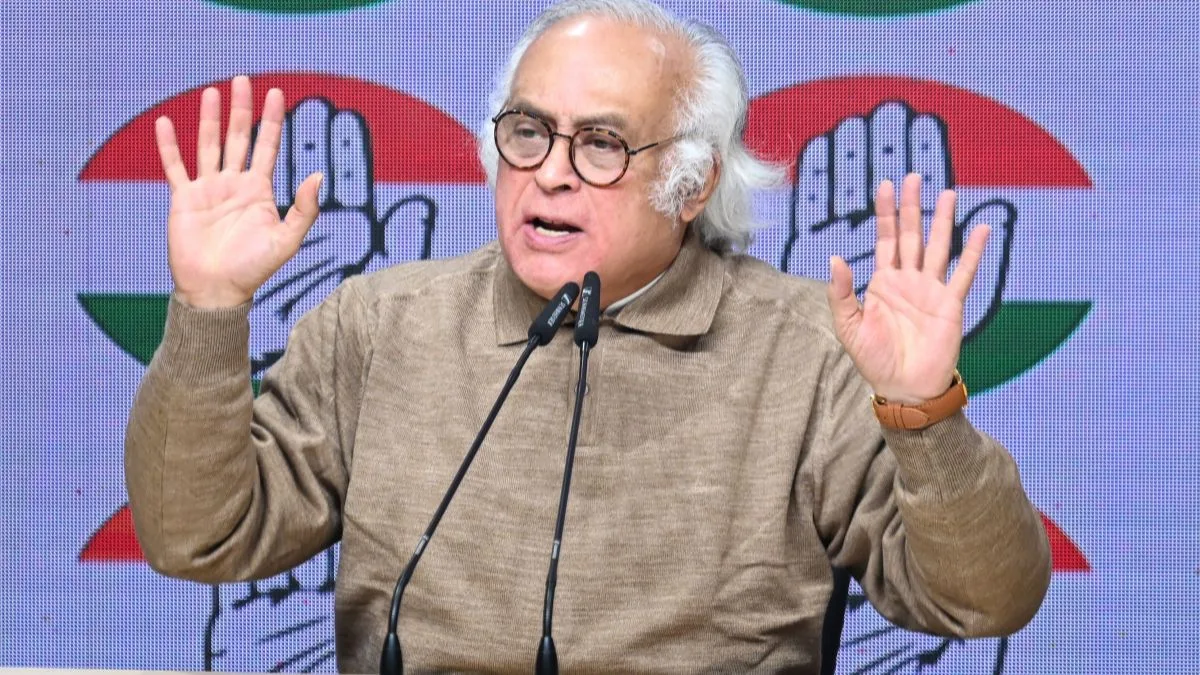
In a statement, Congress general secretary Jairam Ramesh said the meeting had generated hope across the world, including in India, that it could mark “the beginning of a durable peace process” between Washington and Tehran. At the same time, he cautioned that such efforts must not be “derailed by Israel’s continuing aggression in its neighbourhood.”
Advertisement
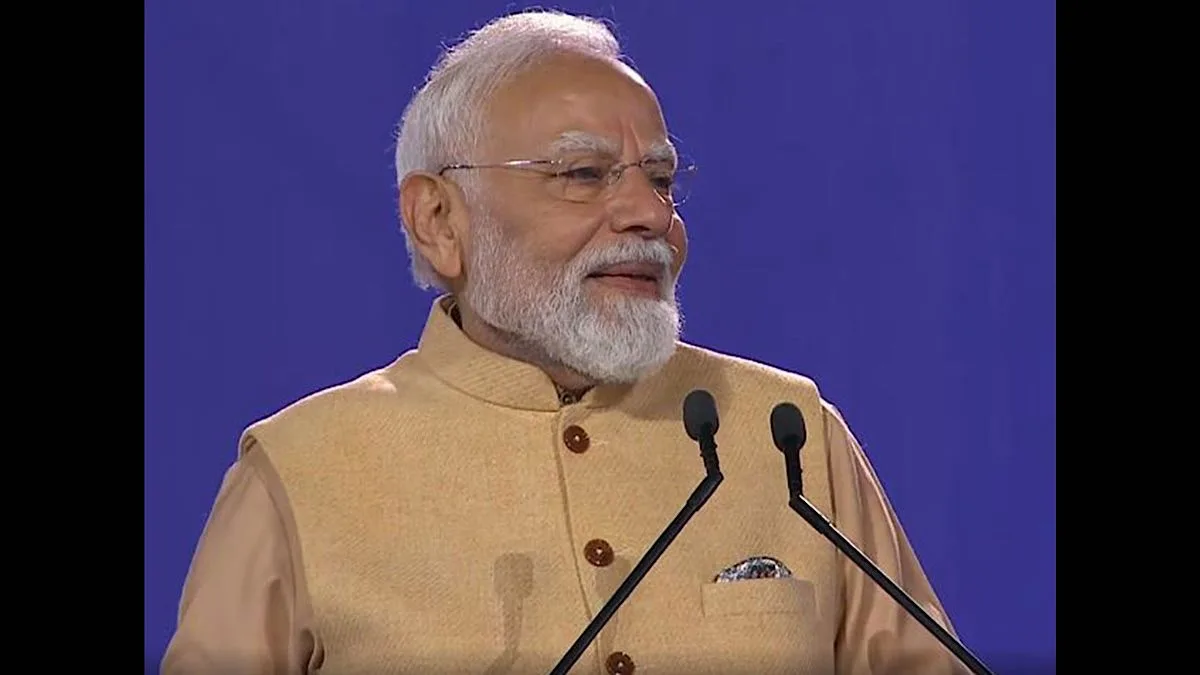
Using the occasion to question what he termed inconsistencies and missed opportunities in the government’s diplomatic approach, Ramesh targeted Prime Minister Narendra Modi and his outreach strategies. Referring to the Prime Minister’s past high-profile engagements, he remarked that “serious questions about the substance and style of the self-declared Vishwaguru’s ‘huglomacy’ arise” in light of recent developments.
The Congress leader also expressed concern over Pakistan’s role as host of the talks, asking how Islamabad had managed to “carve out a new role for itself” despite its alleged involvement in the April 2025 Pahalgam terror attack and India’s subsequent diplomatic efforts to isolate it. Drawing a comparison with the aftermath of the 2008 Mumbai terror attacks, he said the government led by Manmohan Singh had then “very effectively isolated Pakistan.”
Ramesh further questioned India’s engagement with the United States, arguing that despite extensive public diplomacy efforts—including high-visibility events and political messaging—the government had failed to secure meaningful strategic leverage. He alleged that India had agreed to a “clearly one-sided trade deal” while gaining little in return, even as Washington appeared to accord Pakistan a renewed diplomatic role.
He also criticised the government for not utilising India’s current leadership position in BRICS+ to initiate peace or mediation efforts, noting that key regional players such as Iran, the United Arab Emirates, and Saudi Arabia are members of the grouping. “Why didn’t India launch any peace initiative?” he asked, suggesting that New Delhi had missed an opportunity to assert diplomatic leadership.
Raising concerns about India’s approach towards China, Ramesh referred to what he described as “calibrated capitulation” over the past eighteen months, linking it to Beijing’s continued support for Pakistan, particularly in the context of recent regional tensions and Islamabad’s response to Operation Sindoor.
Emphasising the broader stakes, he called for an urgent restoration of stability in West Asia, stating that peace in the region must return quickly and that the strategic Strait of Hormuz should revert to normalcy following recent hostilities. He also criticised the timing of the Prime Minister’s recent visit to Israel, describing it as “ill-advised and ill-timed” amid escalating tensions.
The statement reflects the Congress party’s continued effort to challenge the government’s foreign policy narrative, even as global attention remains focused on whether the Islamabad talks can ease tensions in one of the world’s most volatile regions.