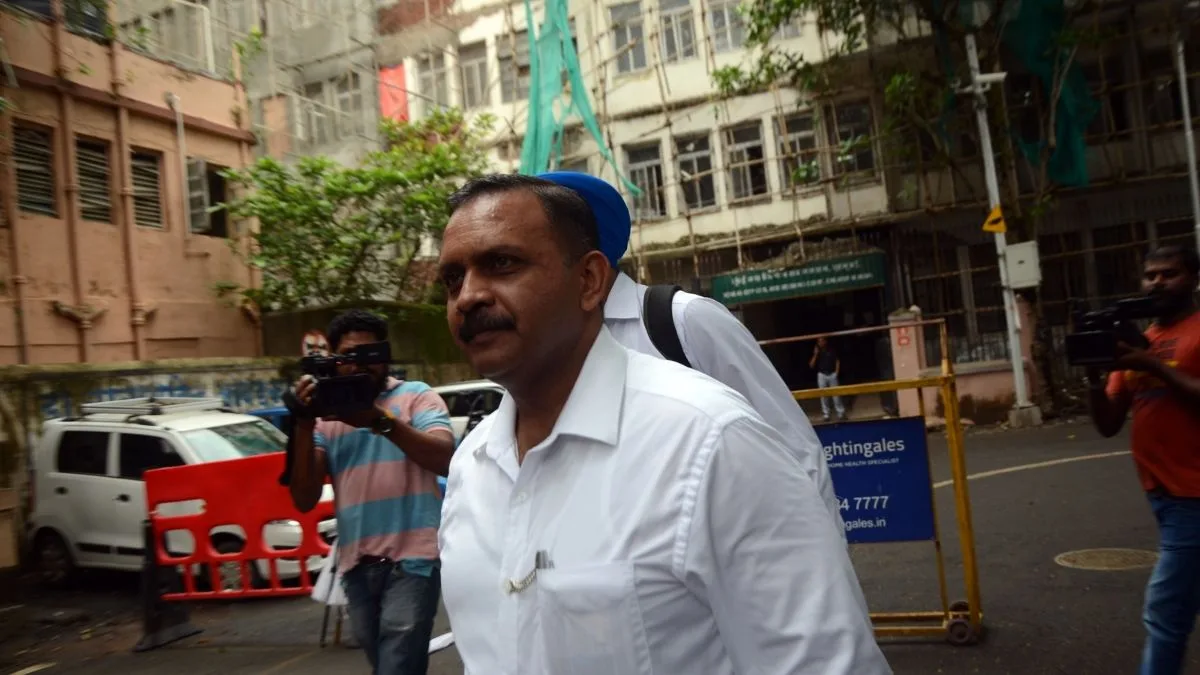
Lieutenant Colonel Prasad Shrikant Purohit is set to be promoted to Brigadier after the Army cleared his elevation, in what marks a big shift for a career that had long been held back by the 2008 Malegaon blast case and the politics around it.
The move comes after the Armed Forces Tribunal stepped in, putting his retirement on hold and asking authorities to review his pending plea for promotion. For Purohit, the development marks a turning point after nearly two decades of legal battles and allegations that once placed him at the centre of a national political narrative.
Advertisement
From accused officer to centre of ‘saffron terror’ narrative
The Malegaon blast probe had, over time, moved beyond a criminal investigation to become a political flashpoint. In the early phase of the case, phrases like “Hindu terror” and “saffron terror” began circulating widely, with Purohit and others increasingly seen as faces of that narrative.
The Maharashtra Anti-Terrorism Squad was the first to probe the case and had linked the accused to an organisation named Abhinav Bharat. A chargesheet running into thousands of pages alleged a larger conspiracy. It was one of the first instances where right-wing Hindu groups were accused of terror activities. The case soon triggered a wider debate on the nature of terrorism in India.
Political statements added to the intensity. Then Home Minister P Chidambaram spoke about “saffron terror” as a phenomenon, while later remarks by other Congress leaders, including references to alleged training camps, deepened the divide.
However, when the National Investigation Agency took over the case in 2011, it flagged gaps in the earlier probe. Charges under MCOCA were dropped, and several confessional statements were deemed inadmissible. Over time, as the trial progressed, many witnesses turned hostile, weakening the prosecution’s case.
In July 2025, a special NIA court in Mumbai acquitted all seven accused, including Purohit, stating that the charges could not be proven beyond a reasonable doubt. The court also said there was no evidence to show that Purohit had sourced explosives or played a role in assembling the bomb.
The blast, which took place on September 29, 2008, in Malegaon, killed six people and left 95 injured after an explosive device fixed to a motorcycle went off near a mosque.
The acquittal was followed by sharp political reactions. Several BJP leaders and Maharashtra ministers accused the Congress-led UPA government of pushing a narrative that unfairly targeted the Hindu community. Some called for an apology, saying the verdict had exposed what they described as a flawed theory of “saffron terror”.
For Purohit, who had argued before the tribunal that the prolonged case had derailed his career, the Army’s decision to clear his promotion now restores a trajectory that had remained frozen for years.