Strait Lessons
The reopening of shipping lanes through the Strait of Hormuz may have calmed oil markets, but it would be a mistake to confuse the return of traffic with the return of certainty.
Iran’s Hormuz action against a Karachi-bound vessel raises serious questions over Pakistan’s mediation claims as tensions with the US continue to escalate.





(File photo: Xinhua/IANS)
Iran has turned back a vessel headed for Karachi at the Strait of Hormuz, delivering a sharp blow to Pakistan’s projection of itself as a mediator in the ongoing Iran-US conflict.
The move comes even as Islamabad has been positioning itself as a potential host for talks between Washington and Tehran, a claim now facing serious credibility questions.
Advertisement
The Iranian Embassy in Kabul confirmed the action, stating, “The container ship SELEN was turned back by the IRGC Navy due to failure to comply with legal protocols and lack of permission to pass through the #Hormuz Strait.”
Advertisement
بازگرداندن یک کشتی در تنگهٔ هرمز توسط نیروی دریایی سپاه
کانتینربر SELEN بهدلیل عدم رعایت پروتکلهای قانونی و نداشتن مجوز عبور از تنگهٔ #هرمز، توسط نیروی دریایی سپاه به عقب بازگردانده شد.
عبور هرگونه شناور از این آبراهه مستلزم هماهنگی کامل با حاکمیت دریایی ج.ا.ایران است. pic.twitter.com/qarbqp7WVo— Embassy of the I.R. Iran in Kabul, Afghanistan (@IRANinKabul) March 24, 2026
Authorities reiterated that all vessels must secure clearance and coordinate with Iran’s maritime system before passing through the strategic waterway.
The development follows a blunt warning from Iran’s military establishment, signalling that there is no immediate path to a negotiated settlement on terms favourable to the US.
A spokesperson of the Central Khatam al-Anbia Headquarters said: “Do not call your defeat an agreement. There will be no news of your investments in the region, nor will you see the previous prices for energy and oil. Until the time of our will, no situation will return to its former state.”
The twin signals, a hardline statement and the Hormuz action, suggest Tehran is calling the shots on the ground, even as diplomatic chatter around mediation continues.
The development has also fed into the political discourse in India.
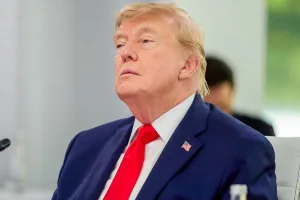
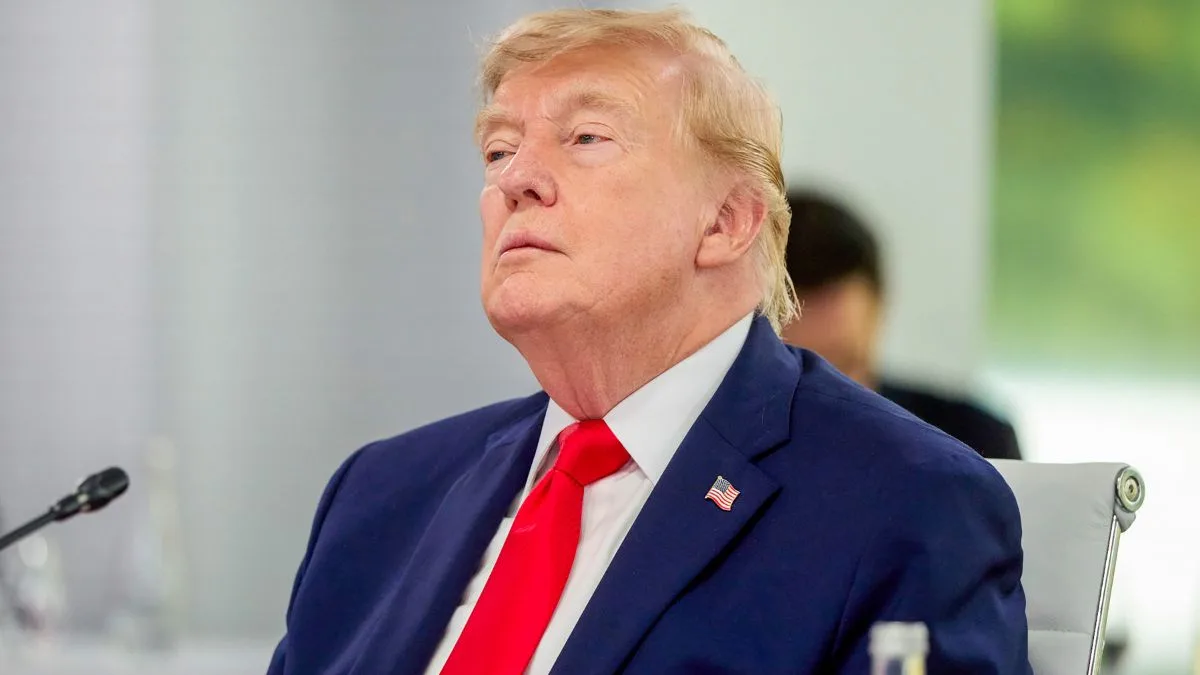
In recent days, sections of the Opposition had targeted the government after US President Donald Trump amplified Pakistan Prime Minister Shehbaz Sharif’s offer to host talks between Washington and Tehran, calling it a diplomatic setback for India.
However, Iran’s decision to stop a Karachi-bound vessel appears to contradict the perception of Pakistan as a credible or central intermediary in the crisis.
BJP IT Cell head Amit Malviya reacted on X, saying: “So much for the ‘Pakistan is brokering peace’ narrative peddled by the usual suspects in India.”
So much for the “Pakistan is brokering peace” narrative peddled by the usual suspects in India.
Iran has reportedly turned back a vessel bound for Karachi after it failed to secure approval to pass through the Strait of Hormuz. https://t.co/3HDdeHdxWt
— Amit Malviya (@amitmalviya) March 25, 2026
Meanwhile, concerns are rising within Pakistan over the economic fallout of a prolonged conflict.
Speaking to ANI, Karachi-based journalist Shams Kerio warned that any collapse in negotiations could further strain the country’s already fragile economy.
He pointed out that Pakistan’s dependence on regional trade and oil imports makes it vulnerable to disruptions, which could trigger inflation and instability.
“War is not a solution. Issues can only be resolved through dialogue, not conflict,” Kerio said, stressing the need for credible assurances in the negotiation process.
He said any spike in fuel prices would hit daily wage workers first and hardest, making it tougher to afford basic food and pushing more people out of work. Farms and factories, already struggling with rising costs, would come under even more pressure.
Kerio said if the fighting goes on for too long, it could spill beyond the region and pull in others. There is a real risk of bigger players like Russia and China getting pulled in.
“If the war continues, Pakistan’s economy could collapse due to lack of reserves and weak financial accountability,” he said, adding that recovery depends on a peaceful resolution.
Advertisement