Best left in the drawer?
A government report that spends more than a decade in a drawer tells a story regardless of what is written on its pages.
Just like the Congress’s no-confidence motion against Lok Sabha Speaker Om Birla, the Trinamool Congress (TMC)-led move to bring an impeachment motion against Chief Election Commissioner Gyanesh Kumar is unlikely to succeed.





Speaker Om Birla is consulting both factions of the Trinamool Congress before deciding on the merger claim made by 20 rebel MPs. | Photo: ANI
Just like the Congress’s no-confidence motion against Lok Sabha Speaker Om Birla, the Trinamool Congress (TMC)-led move to bring an impeachment motion against Chief Election Commissioner Gyanesh Kumar is unlikely to succeed. The move, however, scores high on optics and messaging and has also succeeded in bringing an uneasy INDIA bloc alliance onto common ground, again, against the BJP-led NDA government at the Centre.
Under Article 324(5) of the Constitution, the procedure for removing the Chief Election Commissioner is similar to that for the impeachment of a Supreme Court judge. A motion seeking removal must be signed by at least 100 members of the Lok Sabha or 50 members of the Rajya Sabha. Once the notice is submitted, the Lok Sabha Speaker or the Rajya Sabha Chairperson decides whether to admit the motion after examining the available material and consulting experts. A three-member committee is also formed to investigate the charges.
Advertisement
The motion is debated and passed in both Houses of Parliament by a special majority — a majority of the total membership of the House and a two-thirds majority of members present and voting.
Advertisement
The fact is that the Opposition does not have the numbers required to push the motion through Parliament if it reaches the voting stage. Even before that, the presiding officers of the two Houses have to admit the motion.
Opposition leaders acknowledge that the initiative is intended to place their objections on record in Parliament.
Not just that, the notice against Kumar — the first such move against a sitting Chief Election Commissioner — also marks an escalation in tensions between the Opposition and the government, much like the motion against Birla. It is meant to send a broader political message ahead of the upcoming Assembly elections. Opposition leaders said, “It is only after challenging the SIR politically and legally that we have now raised the issue in Parliament.”
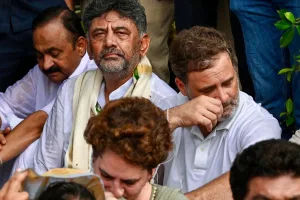
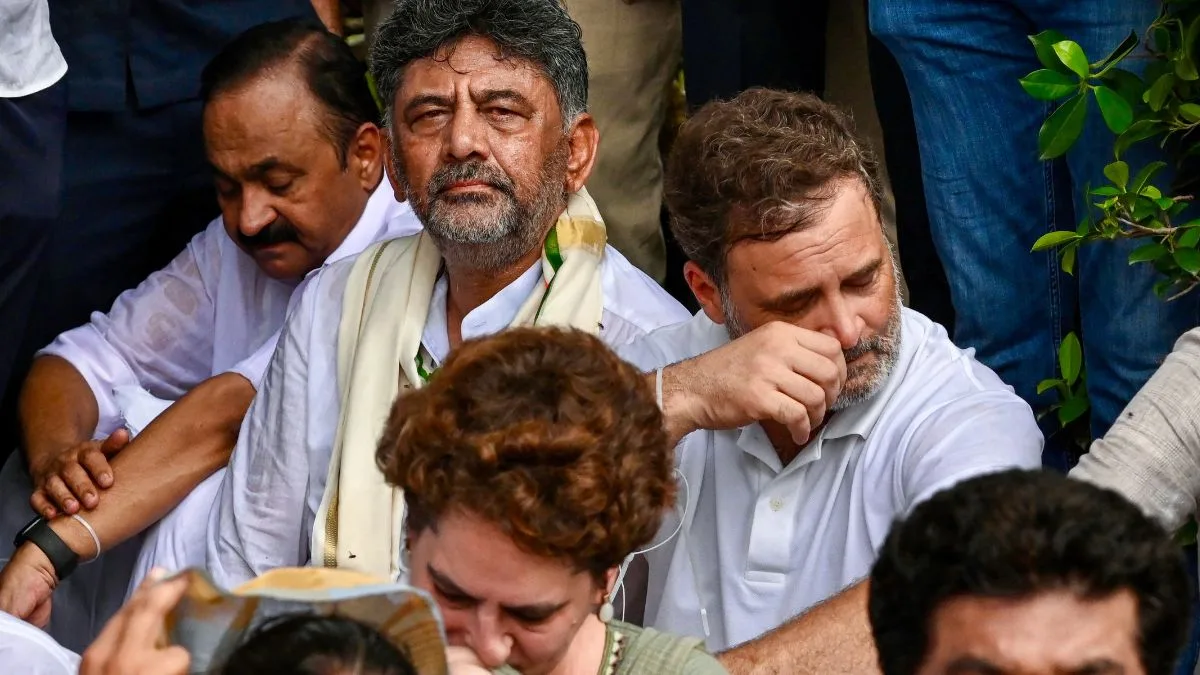
As in the case of the no-confidence motion against Birla, the issue has also helped bring Opposition parties together on a common platform.
Citing charges including “partisan and discriminatory conduct” and “obstruction of investigation into electoral fraud and SIR”, the TMC on Friday submitted notices in both Houses of Parliament for an impeachment motion against the Chief Election Commissioner to corner the Narendra Modi government. The party also succeeded in bringing the broader Opposition INDIA bloc — including the Congress, the Samajwadi Party, the DMK and Sharad Pawar’s NCP — on board, along with the Aam Aadmi Party (AAP), even though it considers itself outside the alliance.
Advertisement