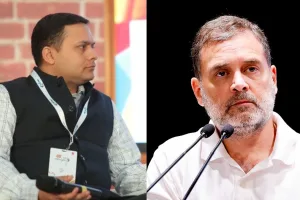
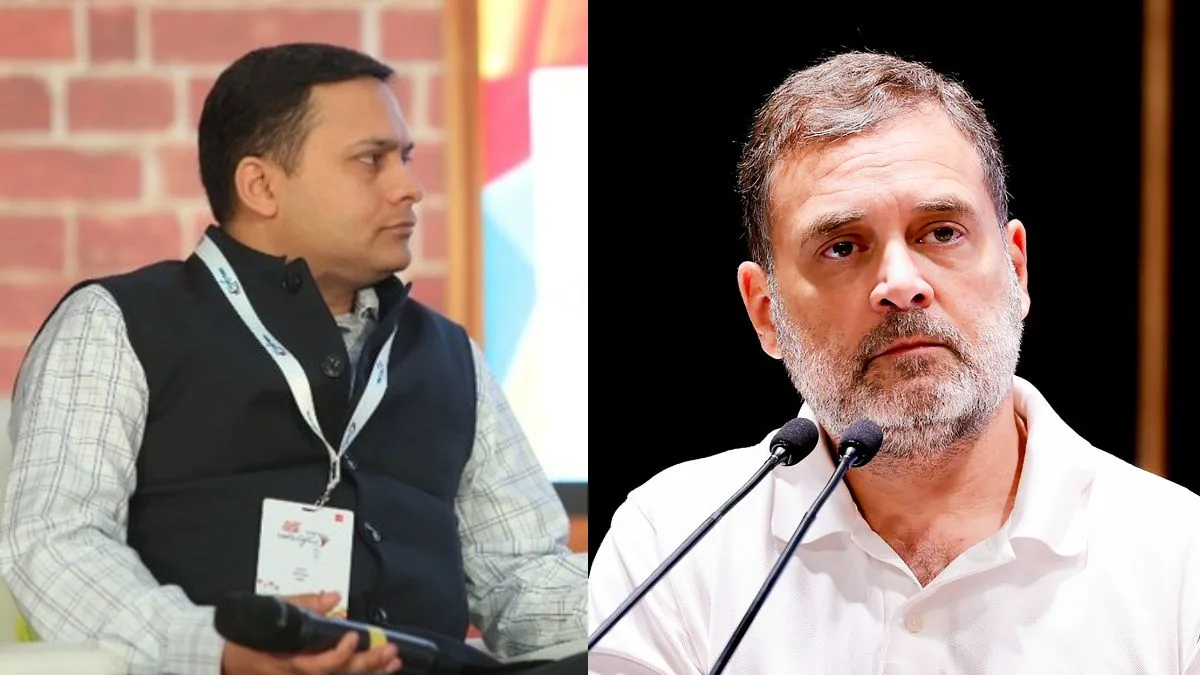
BJP MP Ravi Shankar Prasad launched a sharp rebuttal to Leader of Opposition Rahul Gandhi on Wednesday, accusing him of making unfounded allegations against the government and delivered a lesson on Parliamentary traditions and history.
‘Speaker is the head of the House’: Prasad
Countering the criticism by Rahul Gandhi, Prasad invoked the legacy of BR Ambedkar to underline the importance of parliamentary decorum and the authority of the Speaker.
Advertisement
“Ambedkar said the Speaker is the head of the House; Parliament has always come out on top,” Prasad said, stressing that parliamentary traditions must be respected by all members.
Earlier, Rahul Gandhi, during the debate, said the issue was fundamentally about the democratic process and the functioning of Parliament.
“The discussion here is about the democratic process and the role of the Speaker,” the Congress leader said. “Multiple times my name has been raised and wild things have been said about me. This House is the expression of the people of India. It does not represent one party, but the whole country.”
He further alleged that Opposition members were repeatedly interrupted. “Every time we get up to speak, we are stopped from speaking. The last time I spoke, I raised a fundamental question about the compromises made by our PM,” Gandhi said.
‘PM can never be compromised’
Responding to Rahul Gandhi’s remarks during the debate, Prasad asserted that the dignity of the Prime Minister must not be undermined.
“I would like to remind the Leader of the Opposition that the Prime Minister of India can never be compromised,” Prasad said in the House. “Prime Minister Narendra Modi can never be compromised,” he added, pushing back strongly against Gandhi’s criticism of the government.
Rahul Gandhi had earlier commented on compromises allegedly made by the Prime Minister, while also alleging that Opposition members are frequently prevented from speaking in the House.
The exchange reflected the increasingly sharp confrontations between the government and Opposition benches in the Lok Sabha, particularly during debates over parliamentary procedure and the functioning of the House.