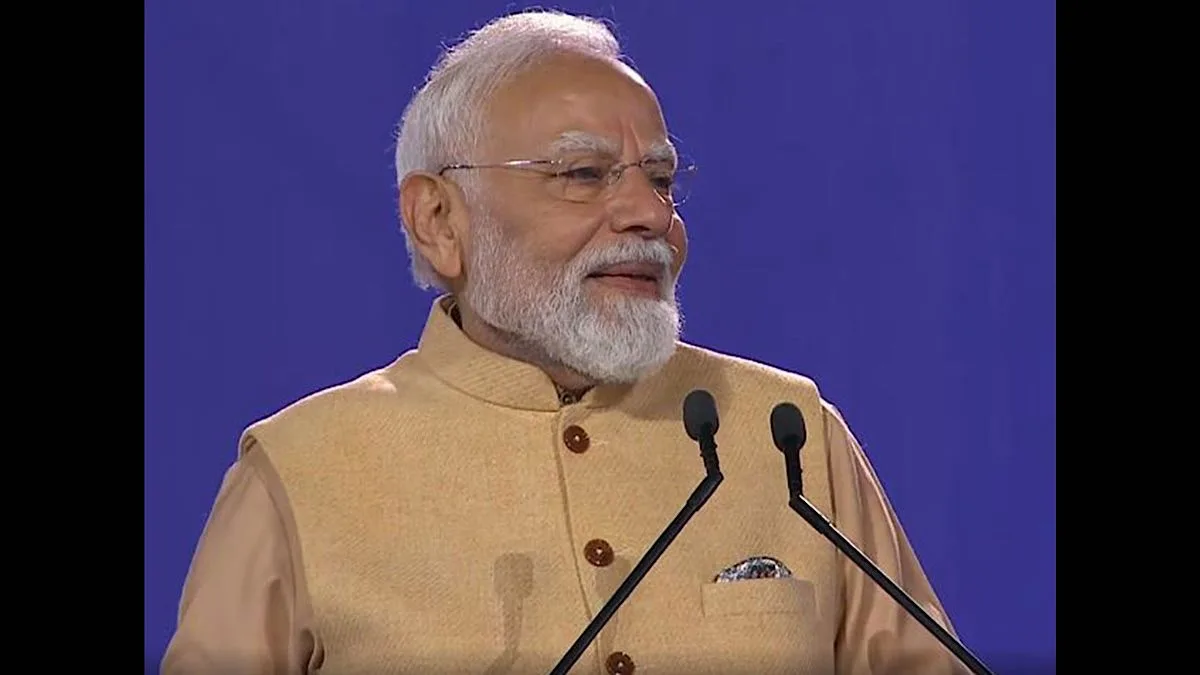
Even as the Congress questioned his government’s stand on the West Asia crisis, Prime Minister Narendra Modi on Tuesday spoke to more Arab leaders on the ongoing crisis in the region.
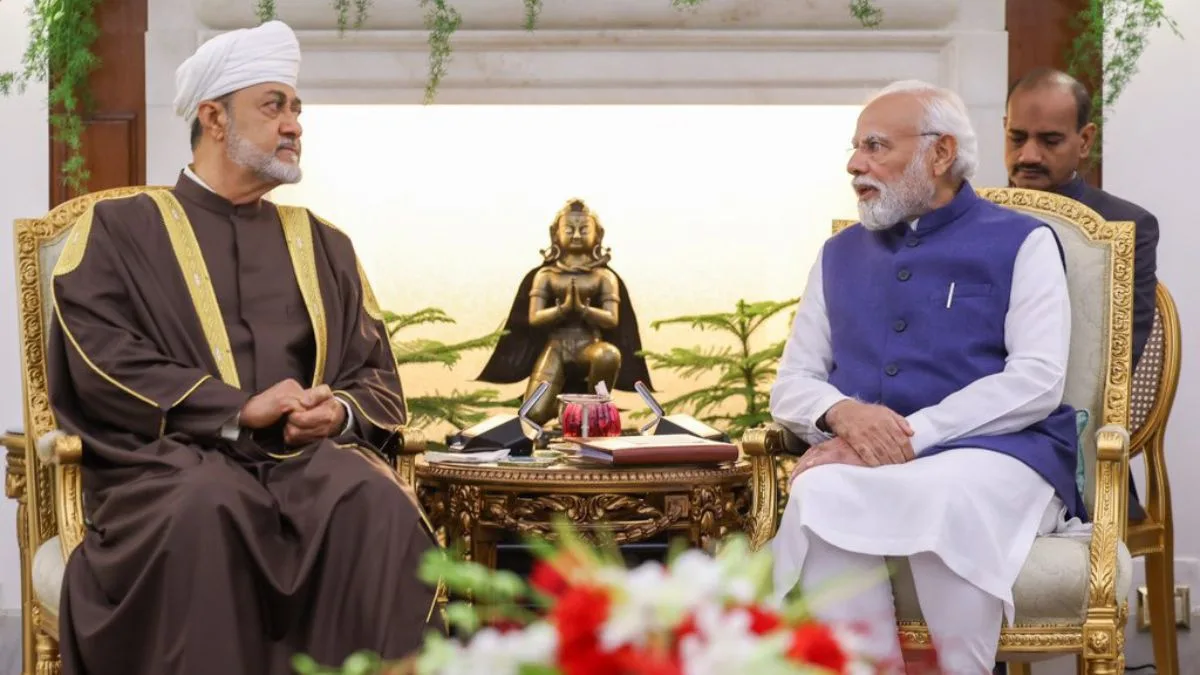
The PMO said Modi discussed the latest developments with the Sultan of Oman and the Crown Prince of Kuwait.
Advertisement
Meanwhile, New Delhi reiterated its call for dialogue and diplomacy and strongly raised its voice in favour of an early end to the conflict.
In a lengthy statement, an official spokesperson of the Ministry of External Affairs noted that India had expressed its deep concern at the commencement of the conflict in Iran and the Gulf region on 28 February. “Even at that time, India had urged all sides to exercise restraint, avoid escalation and prioritise the safety of civilians. Unfortunately, in the holy month of Ramadan, the situation in the region has deteriorated significantly and continuously,’’ he added.
The spokesperson regretted that in recent days, the conflict has not only escalated but also spread to other nations. The destruction and deaths have mounted, even as normal life and economic activities come to a halt. “As a proximate neighbour with critical stakes in the security and stability of the region, these developments evoke great anxiety,’’ he added.
The spokesperson pointed out that there are almost one crore Indian citizens who live and work in the Gulf region. Their safety and well-being is of utmost priority. “We cannot be impervious to any development that negatively affects them. Our trade and energy supply chains also traverse this geography. Any major disruption has serious consequences for the Indian economy,’’ he said.
The spokesperson further said that as a country whose nationals are prominent in the global workforce, India is also firmly opposed to attacks on merchant shipping. Already, some Indian nationals have lost their lives or are missing as a result of such attacks in the last few days, he noted.
The spokesperson said Indian Embassies and Consulates in the affected countries remain in close touch with Indian nationals and community organisations, issuing regular advisories as appropriate. They have also extended all possible help to those stranded by the conflict. The Embassies and Consulates will continue to be proactive in addressing various consular aspects of this conflict, he added.
The spokesperson said India is in touch with the governments of the region as well as other key partners. Prime Minister Narendra Modi and External Affairs Minister S Jaishankar have held discussions with their counterparts.
The government, he said, will continue to closely monitor the evolving situation and take relevant decisions in the national interest.