2 US military soldiers killed, another missing after Iranian attack in Jordan: CENTCOM
According to the CENTCOM, four American service members were medically evacuated to Jordanian hospitals.
Addressing mediapersons here, Chandrasekhar alleged that both the LDF and UDF were prioritising geopolitical positions favouring Iran over the safety and welfare of Malayali expatriates living in Gulf nations.




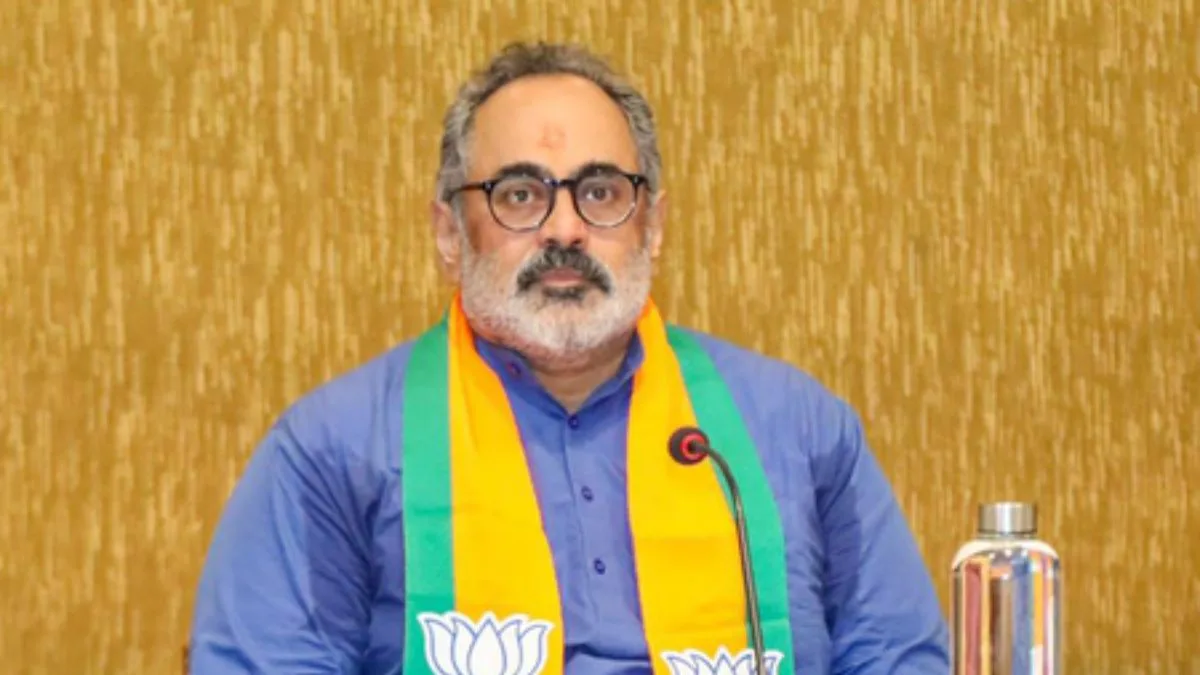
File Photo: IANS
Kerala BJP president Rajeev Chandrasekhar on Monday accused the CPI(M)-led Left Democratic Front (LDF) and the Congress-led United Democratic Front (UDF) of acting against the interests of Keralites working in Gulf countries by allegedly supporting Iran amid the ongoing West Asia conflict.
Addressing mediapersons here, Chandrasekhar alleged that both the LDF and UDF were prioritising geopolitical positions favouring Iran over the safety and welfare of Malayali expatriates living in Gulf nations. He claimed that the reactions of the two fronts reflected a failure to stand firmly with Kerala’s large overseas diaspora.
Advertisement
The BJP leader further accused both alliances of engaging in “minority appeasement for electoral gain” instead of adopting what he termed a decisive and responsible stand on a critical international issue affecting lakhs of Keralites employed in the Gulf region.
Advertisement
“It is shocking that the LDF and UDF are backing Iran, an aggressor targeting Gulf nations that provide livelihood and security to lakhs of Keralites,” Chandrasekhar said, adding that the safety, security and well-being of Indian expatriate workers and their families must remain the highest priority over political considerations.
His remarks came a day after Kerala Chief Minister Pinarayi Vijayan criticised the United States and Israel over military actions against Iran, describing the developments as acts of “imperialist aggression” and condemning what he termed lawless escalation in the region.
The exchange reflects growing political divergence in Kerala over responses to the evolving geopolitical tensions in West Asia, particularly given the state’s strong economic dependence on remittances from its expatriate community in Gulf countries.
Advertisement