Parade for a mature Republic
As the Republic Day parade drifts from solemn military tradition toward mass spectacle, serious questions arise about dignity, purpose, and discipline.
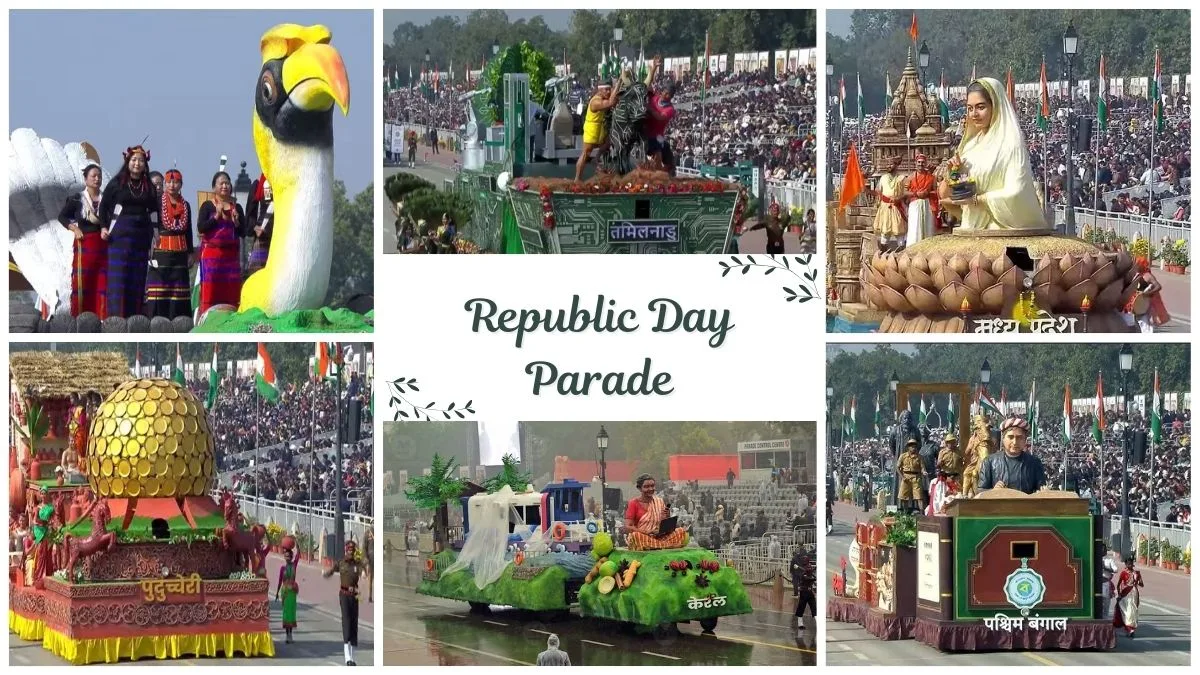
Republic Day Parade 2026 showcased 30 vibrant tableaux celebrating India’s cultural heritage, freedom struggle, craftsmanship, and the spirit of Aatmanirbhar Bharat.




Jai Hind!
New Delhi witnessed the grand 77th Republic Day Parade on January 26, 2026, where 30 tableaux from 17 States and 13 Union Territories traversed Kartavya Path, narrating stories of cultural heritage, freedom struggle and self-reliance.
Each tableau was carefully selected to bring alive themes of “Svatantrata Ka Mantra — Vande Mataram” and “Samriddhi Ka Mantra — Aatmanirbhar Bharat.”
Advertisement
The parade was more than a procession, it was a cultural odyssey. Traditional art, folklore and community heritage shaped many displays. States presented craft traditions, festivals, and folk legends, visually articulating how India’s cultural fabric is woven with diverse histories.
Advertisement
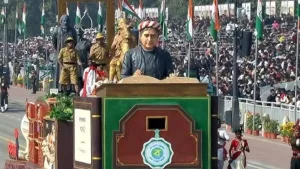
In the heart of the cultural narrative, West Bengal’s tableau illustrated the region’s role in India’s freedom movement and artistic heritage. From literary inspirations to folk traditions, Bengal’s contribution emerged as a vital strand in the nation’s story.
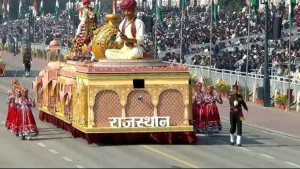
Rajasthan’s tableau showcased the intricate Usta art of Bikaner, reflecting the state’s rich artisanal traditions. The display emphasised how craftsmanship continues to define Rajasthan’s cultural identity.
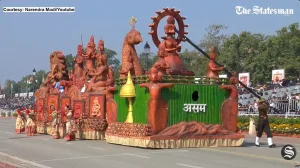
Assam’s tableau highlighted the legacy of the Asharikandi terracotta craft, reflecting the state’s deep-rooted artistic traditions and indigenous creativity. By focusing on handcrafted heritage passed down generations, Assam showcased how local art forms remain central to India’s cultural identity and self-reliant spirit.
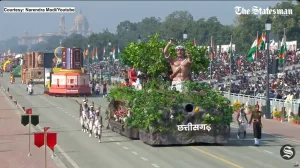
Chhattisgarh’s tableau paid tribute to tribal culture and the contributions of regional freedom heroes. Rooted in themes of resistance and resilience, the display underlined the role of tribal communities in shaping India’s struggle for independence and preserving its cultural diversity.
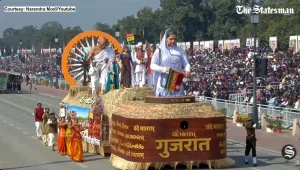
Gujarat’s tableau blended the spirit of the freedom movement with the idea of self-reliance. By drawing from its historical association with swadeshi ideals, the state presented a narrative that connected past struggles with contemporary growth and innovation.
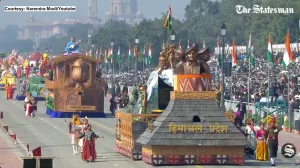
Himachal Pradesh highlighted its spiritual heritage and military legacy, portraying the state as a land of devotion, discipline and service. The tableau reflected how tradition and national duty coexist in the hill state’s cultural fabric.
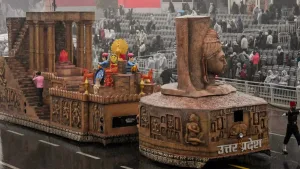
Uttar Pradesh’s tableau captured the cultural essence of Bundelkhand, showcasing regional traditions and historical narratives. The display emphasised the state’s enduring influence on India’s cultural and civilisational journey.
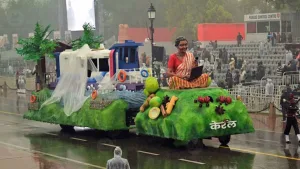
Kerala’s tableau focused on modern development initiatives such as the Water Metro while staying rooted in social progress. It reflected the state’s model of inclusive growth, where tradition and technology move forward together.
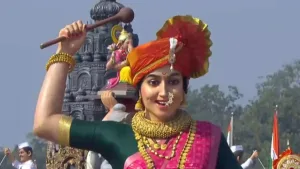
Maharashtra highlighted Ganeshotsav as a symbol of community participation and cultural unity. The tableau traced how the festival evolved into a collective movement, reinforcing themes of self-reliance and social harmony.
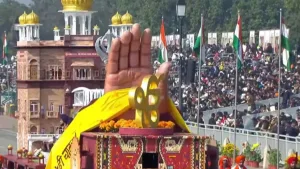
Punjab’s tableau commemorated the martyrdom of Guru Tegh Bahadur, underscoring the state’s legacy of sacrifice and courage. The display served as a reminder of Punjab’s pivotal role in defending freedom, faith and human values.
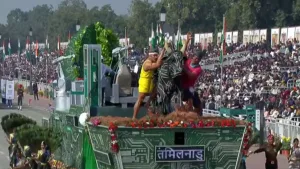
Tamil Nadu’s tableau reflected prosperity rooted in tradition and sustainable growth. By showcasing cultural continuity alongside development, the state presented a vision of progress anchored in heritage.
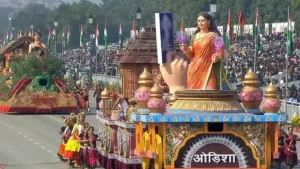
Odisha’s tableau traced a journey from “soil to silicon,” symbolising the transition from agrarian roots to technological advancement. The narrative highlighted how tradition and innovation coexist in the state’s development story.
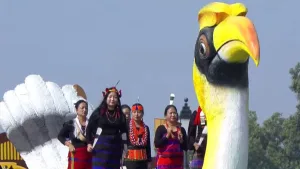
Nagaland showcased the Hornbill Festival, celebrating tribal identity and cultural pride. The tableau reflected the richness of indigenous traditions and their importance in preserving India’s cultural plurality.
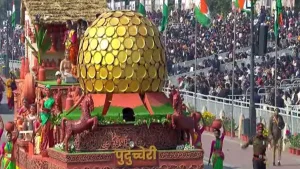
Puducherry’s tableau highlighted its craft heritage and cultural synthesis. Drawing from its unique history, the display showcased the region’s blend of tradition, art and colonial influence.
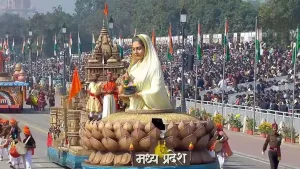
Madhya Pradesh paid tribute to Ahilyabai Holkar, portraying her legacy of governance, justice and cultural patronage. The tableau highlighted the state’s historical contribution to leadership and reform.
Jammu & Kashmir’s tableau highlighted the region’s rich handicraft traditions and folk culture. By showcasing artistic heritage rooted in centuries-old craftsmanship, the display reflected the cultural resilience and evolving identity of the Union Territory.
Manipur’s tableau focused on the theme of progress and prosperity while drawing from the state’s cultural roots. The display highlighted Manipur’s journey of resilience, tradition and aspiration within India’s broader development narrative.
By blending history, heritage, and contemporary achievement, the Republic Day Parade 2026 reaffirmed that India’s cultural story, especially as highlighted in the tableaux, is as dynamic as it is rooted in centuries of tradition.
Advertisement