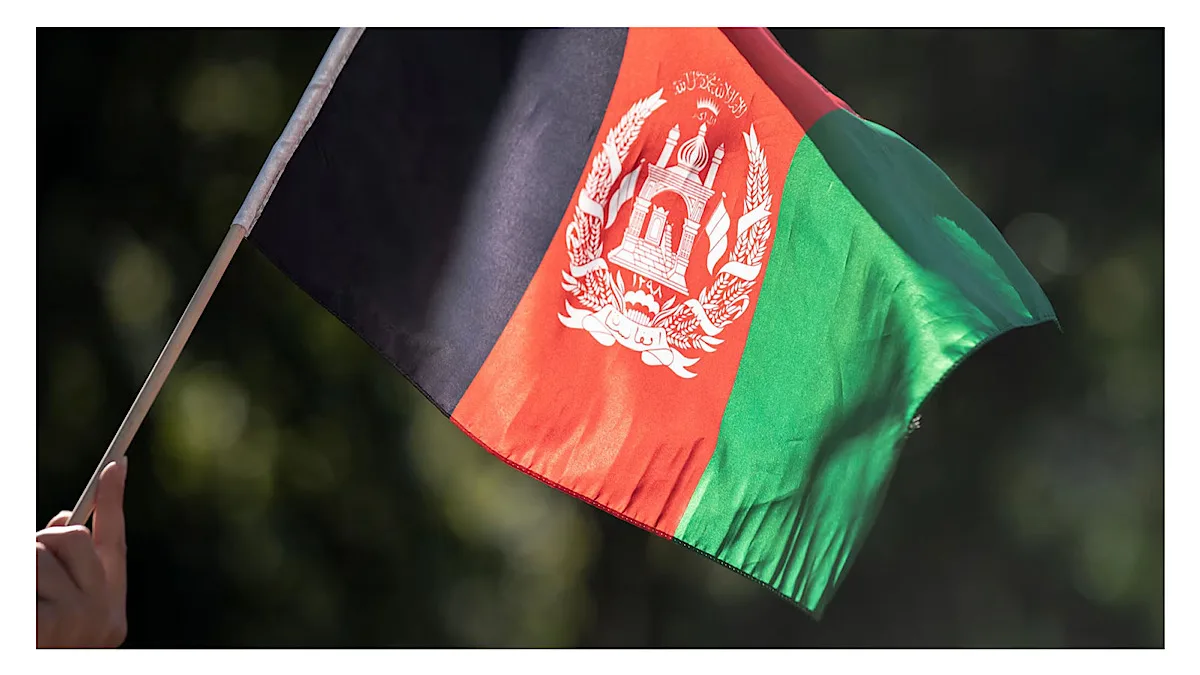
For more than three years, Afghanistan’s Taliban rulers have projected an image of seamless unity: one leader, one command, one vision. That façade is now cracking. The real struggle shaping the country’s future is no longer between the Taliban and the world, but between Kandahar and Kabul ~ between Hibatullah Akhundzada’s absolutism and the pragmatism of Sirajuddin Haqqani, Mohammad Yaqoob and Abdul Ghani Baradar.
The recent decision by senior ministers in Kabul to reverse Akhundzada’s order to shut down the internet was not a technical adjustment. It was an act of defiance. In a movement built on obedience, it was extraordinary. For the first time since 2021, the Taliban’s internal rift moved from murmurs to action. Akhundzada has steadily centralised power in Kandahar, bypassing cabinet structures, sidelining senior commanders and surrounding himself with clerical loyalists. His vision is of a closed, austere Islamic Emirate, accountable only to his interpretation of divine authority. He rarely consults, barely appears in public, and issues decrees that reshape daily life without debate.
Advertisement
Women’s education, employment, even basic freedoms have been erased by fiat. In Kabul, a different reality confronts Haqqani, Yaqoob and Baradar. They run ministries, manage security, oversee trade and deal with a population that must eat, work and communicate. They understand that a state cannot function in isolation, that revenue depends on connectivity, and that legitimacy ~ however limited ~ cannot be sustained through repression alone. They are not liberals. They are not reformers. But they are administrators who have seen the world and know the cost of pretending it does not exist. The internet shutdown exposed the fault line.
The Kabul leadership tolerated the exclusion of girls from classrooms and women from offices, however uncomfortable that made them. But when connectivity was cut, threatening governance, commerce, and their own power bases, they pushed back. Baradar reportedly travelled to Kandahar to warn Akhundzada’s circle to stop being yes men. Haqqani and Yaqoob joined him in pressing the prime minister to reverse the order. It worked. That matters. It tells us that ideology is no longer the only currency inside the Taliban. Power, revenue, and relevance now compete with theology. The movement has entered a phase where material interests are beginning to constrain religious rigidity. This does not mean moderation is coming. The Kabul group has shown no willingness to confront Akhundzada over women’s rights or basic freedoms. Their rebellion was tactical, not moral. It was about preserving authority, not expanding liberty. Yet even tactical rebellion breaks taboos. For India and the region, this internal struggle is more significant than official denials or diplomatic posturing. A regime divided between purists and pragmatists will be erratic ~ hard one day, flexible the next, unpredictable always. Stability will depend less on external pressure than on who ultimately prevails inside the Emirate. The Taliban once defeated armies. Now it must manage itself. And that may prove the harder battle. The stakes are regional, strategic, and enduring.