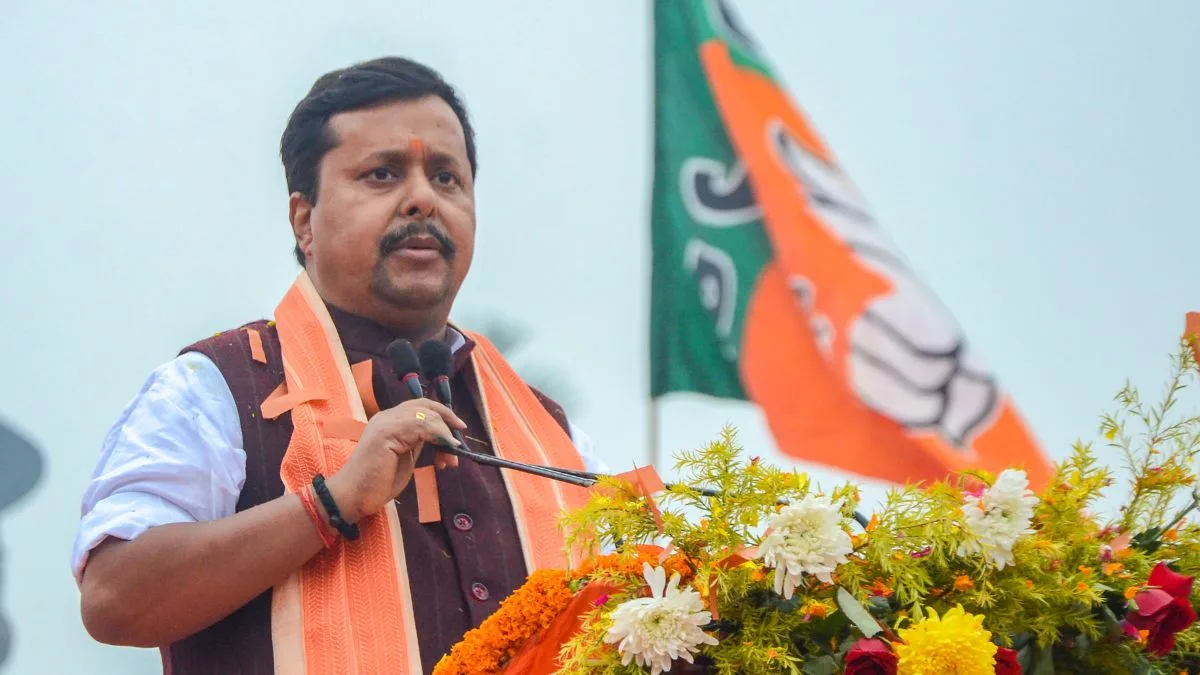
With Nitin Nabin all set to be formally anointed as the BJP president, and the Narendra Modi 3.0 government too approaching its midway mark, the buzz is growing of a reset of the party organisation as well as the Prime Minister’s Council of Ministers with some new, fresh faces and energy.
Just like the generational shift at the top, with the BJP’s youngest president, who is almost as old as the party itself (the BJP was formed on April 6, 1980) at the helm of affairs, organisational leadership changes are also expected to be generational, which in turn may trigger changes both at the Centre and in states ruled by the saffron party, say sources.
Advertisement
When that happens may not be certain, but what seems apparent is that the anointment of Nabin is a part of a set of changes—including reconstitution of the national organisational team, with a focus on younger leaders and new office-bearers closer to Nabin’s age group, they add. “Change is the law of nature and necessary. Some fresh faces and new talent in key positions are important to infuse new energy for the 2029 Lok Sabha polls,” they say.
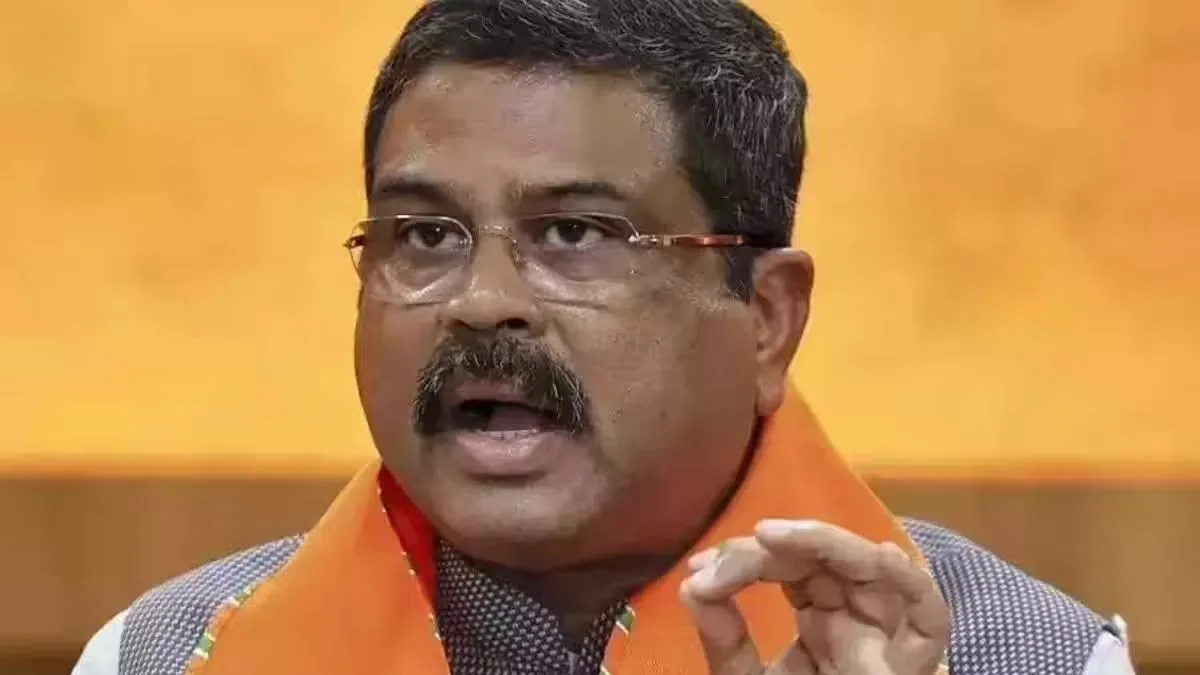
Meanwhile, the new team is expected to prioritise homegrown talent with ideological alignment with the party as well as its ideological fountainhead—the RSS. Some former state chiefs and leaders from the current team are also in contention, both for organisational roles as well as the Narendra Modi government, where “major changes and new inductions” are likely.
Such chatter usually intensifies around elections or state polls, and both 2026 and 2027 have quite a few scheduled. But what is giving the buzz credibility is the recent BJP developments, indicating a major power shift. “Bihar Minister Nitin Nabin’s elevation signals a generational transition in the saffron party’s outlook, and one can expect similar changes in the Prime Minister’s Council of Ministers,” say observers.
Notably, there have been no major changes in the third Modi government, which took charge in June 2024, though speculation around a reshuffle did surface around April–May, last year. Currently, a majority of ministers holding significant portfolios have been retained from the previous Modi government, indicating an emphasis on continuity.
However, if the Prime Minister’s 2019 term is taken into account, a major shake-up of the Council of Ministers occurred almost midway through his second term. It was one of the most comprehensive reshuffles of his council during his seven-year tenure since 2014, and the Prime Minister dropped several senior colleagues, elevated others, and infused the government with young faces and technocrats. A new Ministry of Cooperation was also created. In all, 43 ministers were sworn in, taking the strength of the Council of Ministers to 77. The inclusion of technocrats and former bureaucrats suggested that governance and efficiency were immediate priorities, especially in the aftermath of the Covid-19 pandemic.
As the Modi government approaches its midway mark in 2026, it faces multiple challenges, including political, economic, and geopolitical pressures — factors fuelling speculation about the infusion of new blood and energy to counter governance fatigue and, more critically, to address emerging regional dynamics and evolving trade relationships.