Migration is as old as history. We have seen hundreds of thousands of men, women, and children run away from persecution in what was then East Pakistan and come to India. Lankan Tamils escaped from Buddhist tyranny in Sri Lanka to settle in Tamil Nadu. Much earlier in history, partition of the Indian subcontinent saw how a genocide pushed people away from what was then called West Pakistan into Punjab and further; and we have seen Palestinians homeless and wandering.
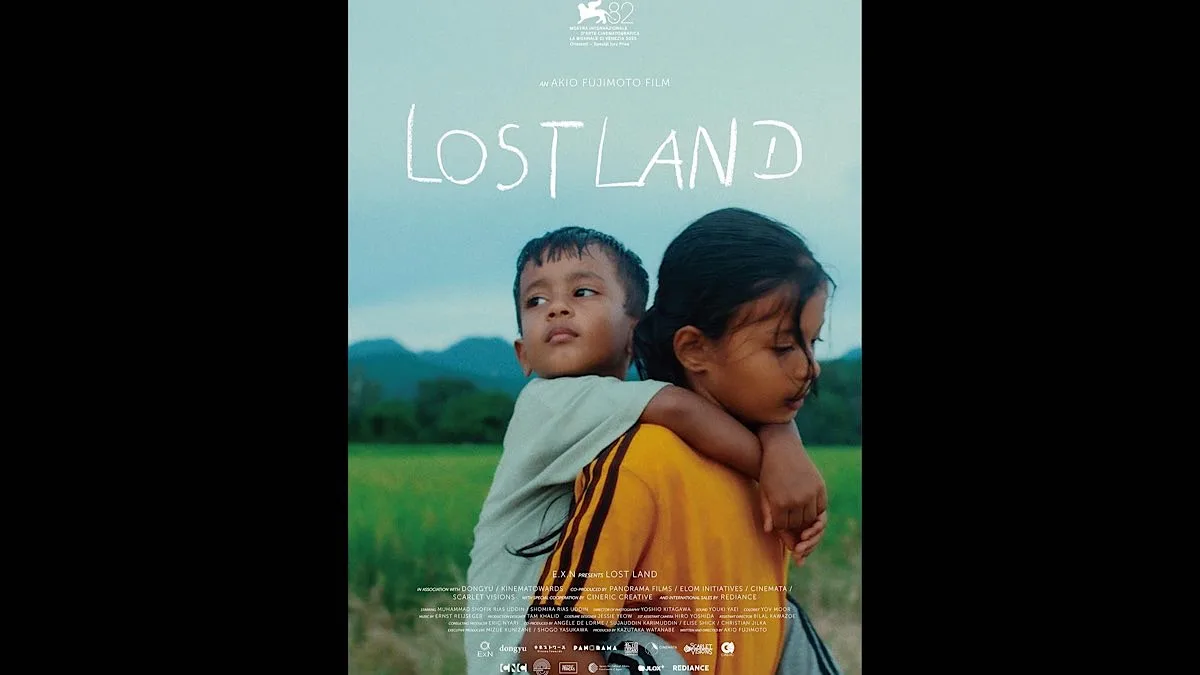
Japanese director Akio Fujimoto captures this kind of suffering and sorrow in his Lost Land through the eyes of two Rohingya Muslim children who along with their grandmother set sail in a boat from Myanmar to Malaysia. They are fleeing religious torture in Myanmar – hoping to find their uncle somewhere in Malaysia. Movingly powerful, this work, the first in the Rohingya language, was part of the recent Red Sea International Film Festival. Nine-year-old Somira (Shomira Rias Uddin Muhammad), and her four-year-old brother Shafi (Shofik Rias Uddin) are accompanied by their stern looking grandmother. We are not privy to their back story, and their voyage is long and dangerous.
Advertisement
They have to deal with ruthless agents, who are merely concerned with money, not the family’s welfare. Mercifully, Fujimoto does not veer into child trafficking. He sticks to migration, dotting the perilous journey with a variety of adventures, mostly dangerous. The performances are appealing, especially those of the child actors, and the production team does a commendable job. Cinematographer Yoshio Kitagawa, and the director use a lot of night time shots to create a feel of anxiety and a sense of forbidding precariousness to capture a story steeped in uncertainty and sense of panic. Using some 200 actual Rohingyas, they along with Ernst Reijseger’s music score produce a work that is far from dramatic and yet packed with terrifying power and pulse pounding adventure.