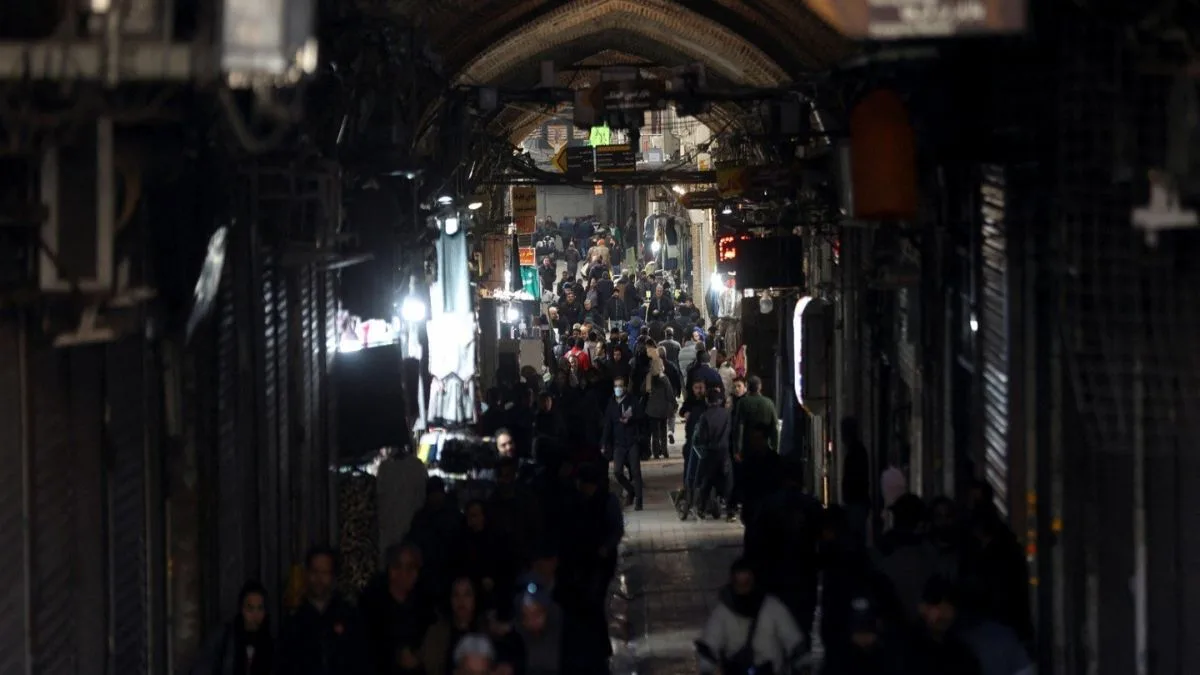
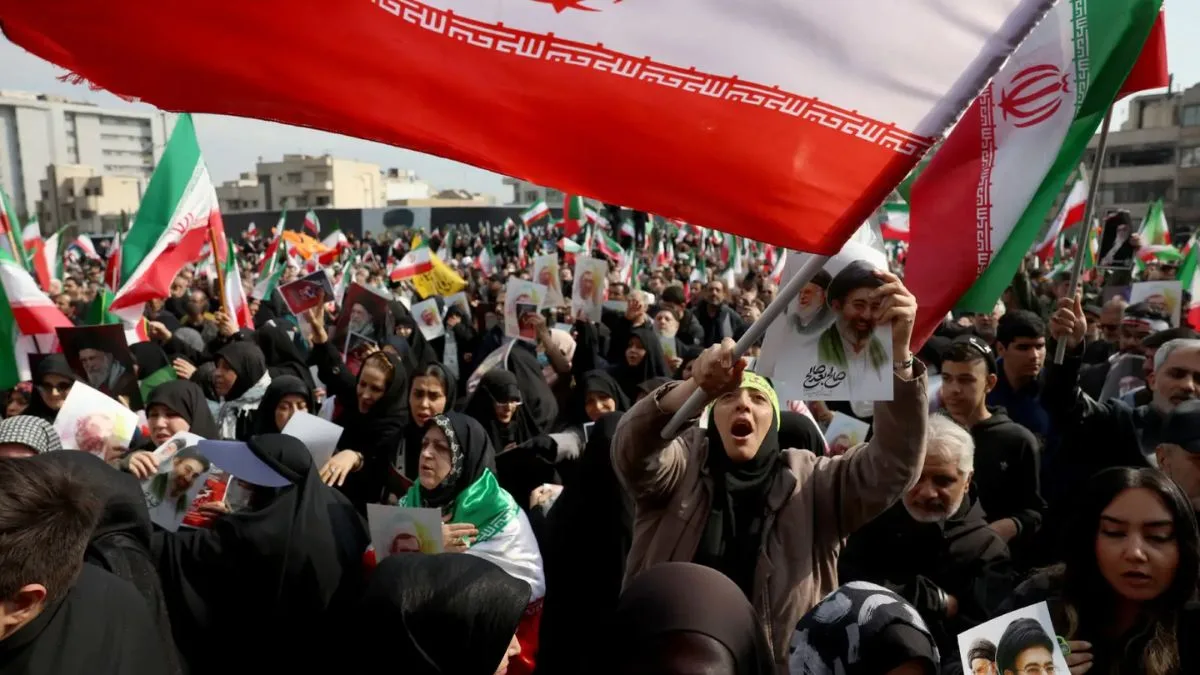
Iran rang in the New Year on a grim note, as fresh violence erupted on the streets on Thursday. Nationwide protests over worsening economic conditions stretched into a fifth day, drawing a heavy security response in several cities.
At least one demonstrator was confirmed dead after security personnel fired on crowds, while reports of more casualties surfaced from different parts of the country, though tight controls on information have made independent confirmation difficult.
Advertisement
Protests spread, death confirmed
One demonstrator, identified as Dariush Ansari Bakhtiarvand, was shot dead by security personnel in Fooladshahr, Iran International reported. Other deaths were reported elsewhere, though independent confirmation remains difficult due to limited access and curbs on reporting.
Demonstrations widened geographically, reaching cities large and small. Clashes were reported from Tehran and Mashhad to Lorestan, Isfahan, Khuzestan, and several provincial towns.
In many places, protesters moved beyond economic complaints, openly challenging clerical rule and Iran’s top leadership.
Qom unrest marks symbolic shift
A major turning point came as protests erupted in Qom, a city long seen as the religious heart of the Islamic Republic. The city hosts influential seminaries and senior clerics who have traditionally formed the backbone of state support.
Crowds chanted slogans such as “Long live the Shah” and “Death to the Dictator”, even as security forces attempted to clear the streets. Footage circulating online showed demonstrators backing exiled crown prince Reza Pahlavi and refusing to disperse despite force being used.
The appearance of anti-regime and pro-monarchy chants in Qom has been viewed by observers as crossing a long-standing political and religious red line.
Escalation across provinces
In Lorestan province, videos showed protesters in Nurabad advancing towards security lines without retreating. In Lordegan, several people were killed during clashes, according to the semi-official Fars News Agency, which is linked to the Islamic Revolutionary Guards Corps.
Further south in Marvdasht, witnesses said security forces fired after crowds chanted slogans including “This year is the year of blood, Seyyed Ali will be overthrown”. In Mashhad, another key religious centre, demonstrators gathered at a metro station before authorities moved in to break up the crowd.
Arrests have accompanied the crackdown. In Farsan, in Chaharmahal and Bakhtiari province, local sources said at least 20 protesters, most of them under 18, were detained following street demonstrations.
Residents across several areas said security forces used tear gas, smoke grenades, batons, and live ammunition, with teenagers appearing to be specifically targeted during round-ups.
A critical moment
With fatalities now confirmed and public anger growing, analysts say the unrest has reached a decisive stage. What began as scattered protests has evolved into a broader challenge to the foundations of the Islamic Republic itself.
As per some Iranian observers, reliance on force alone may worsen the crisis, as each crackdown appears to fuel further protests rather than contain them.