Bokaro Thermal Power Plant shut down, DVC faces daily loss of Rs 5.71 crore
Senior General Manager Sushil Kumar Arjariya said the plant had to be shut because ash removal from the ash pond had been stalled for nearly four months.
Scarce availability and exorbitant prices of biomass pellets have consistently been forcing the Damodar Valley Corporation to compromise with the country’s much ambitious ‘co-firing’ policy over the months, which the top officials currently are trying to overcome desperately.




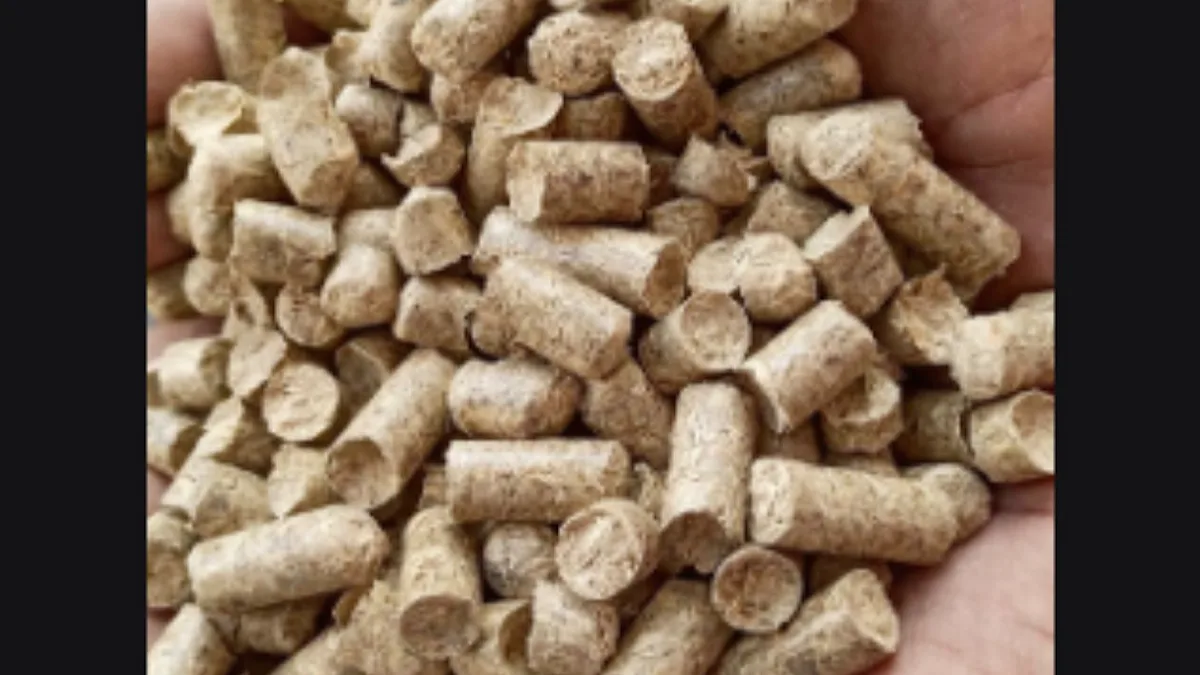
Photo:SNS
Scarce availability and exorbitant prices of biomass pellets have consistently been forcing the Damodar Valley Corporation to compromise with the country’s much ambitious ‘co-firing’ policy over the months, which the top officials currently are trying to overcome desperately.
The biomass co-firing policy that came into effect in 2021-22 fiscal year mandates 5 per cent mixing of pellets with the gross fossil fuel intake of the boilers of the thermal power units. Co-firing in the steel industry involves partial replacement of traditional fuels (like coal/coke) with alternative, often renewable, sources (like biomass or waste gases) in furnaces and boilers, DVC engineers explained. The method reduces costs, lowers greenhouse gas emissions, and decreases pollutants offering a fast, affordable way to decarbonise by using existing infrastructure.
Advertisement
Biomass pellets are carbon-neutral alternatives to fossil fuels used for consistent combustion for heating of power plant boilers and are derived from compressed food scraps, saw dust and agricultural waste. Their utilisation is now mandatory to add a ‘green’ liability to generation.
Advertisement
DVC requires around 2.33 lakh MT of agro-residue biomass pellets annually for combustion. The orgaiation, however, has failed to meet the Centre’s biomass co-firing mandate as yet due to supply chain issues, DVC officials said. Despite issuing short-term and long-term procurement orders, “non-availability has posed a big hurdle for us to achieve this,” they added.
Last July, the DVC, which is an autonomous power generation major, had floated tenders for procurement of 51,100 MT pellets each for its thermal power units in Mejia, Andal, Raghunathpur and Koderma, besides 29,200 MT for its Bokaro unit.
DVC’s Durgapur Steel Thermal Power Station meanwhile achieved an ‘all time record’ in co-firing, which indicated that some quantities of pellets are being used. The authorities, however, have received a lukewarm response from the pellet producers.
Aiming to meet its non-conventional power contributions to the grid, the DVC “has stressed on alternative sources of power generation, like pump-storage projects, solar power generation and hydel projects in Bengal and Jharkhand.” Some of these projects too have faced challenges due to policy shifts by the respective state governments, said S. Suresh Kumar, Chairman, DVC:.
About biomass pellets procurement, Kumar told The Statesman: “Considering the continued difficulties, we have now stressed to motivate local entrepreneurs for gross pellet production.” He added: “With this, we want to restrict the procurement from Panipath, as those are highly-priced.”
Advertisement