Kerala HC restores police protection for viral Kumbh Mela girl
The Kerala High Court on Tuesday passed a fresh order granting police protection to viral Kumbh Mela star Monalisa Bhosle.
A single bench of Justice C. Jayachandran allowed a writ petition filed by the Ayana Charitable Trust and its Managing Trustee challenging the acquisition of the Cheruvally Estate in Pathanamthitta.




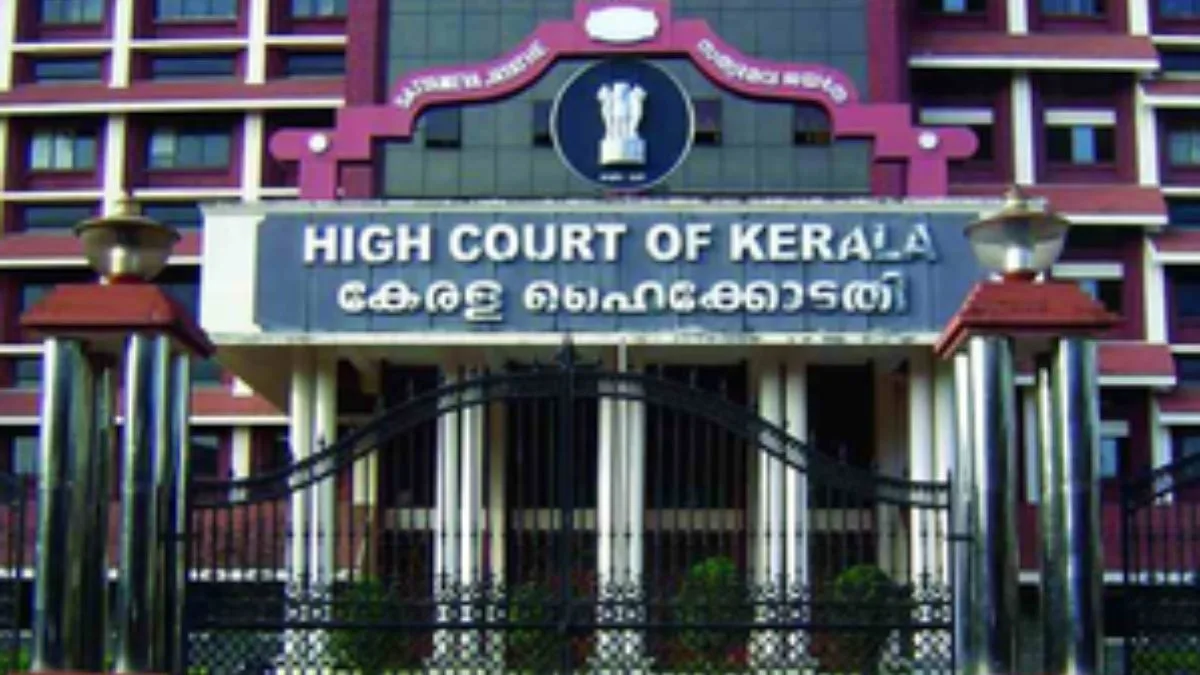
Photo: IANS
The Kerala High Court has set aside the state government’s preliminary notification and all subsequent steps taken to acquire land for the proposed Sabarimala Greenfield Airport, observing that the authorities failed to properly assess how much land was actually required for the project.
A single bench of Justice C. Jayachandran allowed a writ petition filed by the Ayana Charitable Trust and its Managing Trustee challenging the acquisition of the Cheruvally Estate in Pathanamthitta.
Advertisement
The court held that the state had not established the minimum land requirement as mandated under the Right to Fair Compensation and Transparency in Land Acquisition, Rehabilitation and Resettlement Act, 2013.
Advertisement
On December 30, 2022, the state government had issued an order sanctioning the acquisition of 2,570 acres of land—comprising the Cheruvally Estate and an additional 307 acres outside it.
The petitioners questioned both the extent of land sought to be acquired and the legality of the process. They argued that the supporting reports were defective and failed to justify the need for such a large expanse of land.
They also challenged the Social Impact Assessment (SIA) report dated December 27, 2024, the expert group recommendation dated January 28, 2025, and the subsequent notification issued under Section 11 of the 2013 Act.
The court found that the state had failed to determine the absolute minimum land required for an airport intended to serve Sabarimala pilgrims, noting a lack of clarity in calculating the required area.
It observed that the SIA and expert committee reports were silent on the land needed for existing infrastructure as well as future expansion. While the state argued that additional land would enable future development, the court underscored that acquisition must adhere to the statutory requirement of minimum necessity.
The court emphasised that while the state is empowered to acquire land for public purposes, the law clearly mandates that only the “absolute bare minimum” extent of land necessary for a project may be acquired. It held that this mandatory requirement under Sections 4(4)(d), 7(5)(b), and 8(1)(c) of the 2013 Act had not been complied with.
In its order dated December 19, the court directed the state government to restart the process by conducting a fresh Social Impact Assessment focusing solely on determining the minimum land requirement, followed by a fresh appraisal by the expert group and reconsideration by the government.
Advertisement