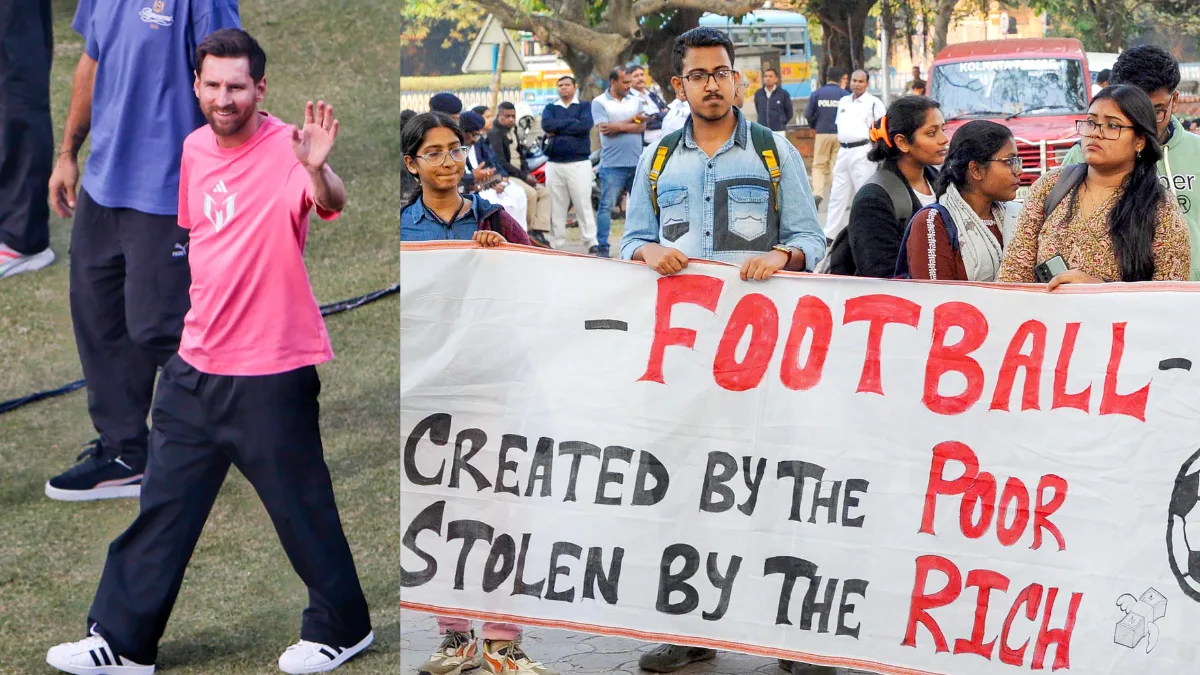
Lionel Messi’s much-publicised ‘GOAT India Tour’ will almost certainly be remembered as a historic moment. For many fans, it represented India’s growing appetite for world football and its ability to attract the game’s biggest icon. For others, the tour laid bare the uncomfortable contradictions defining Indian football today.
At a time when the sport is struggling for basic stability, the scale and symbolism of the spending around Messi’s visit raised difficult questions. Fans remain uncertain about when the next Indian Super League (ISL) match will be played, with the domestic calendar disrupted by administrative and financial issues. Yet, crores were mobilised for a 70-foot statue and grand welcomes for a global star who, iconic as he is, exists entirely outside India’s football ecosystem.
Advertisement
Both the ISL and the I-League have struggled to attract sponsorship bids, leaving the livelihoods of hundreds of Indian footballers uncertain. On the pitch, the situation has been no less alarming. The Indian men’s national team failed to qualify for the AFC Asian Cup 2027, suffering a damaging defeat to Bangladesh, ranked 180th in the world. The uncertainty has deepened as the All India Football Federation (AIFF) and Football Sports Development Limited (FSDL) are in dispute over the renewal of their Master Rights Agreement (MRA), leading to a delay and uncertainty for the 2025-26 Indian Super League (ISL) season.
Messi’s Kolkata appearance was marred by visible mismanagement. In contrast, his brief stops in other cities were tightly managed, generating headlines but offering little meaningful engagement with Indian football’s grassroots or domestic structure.
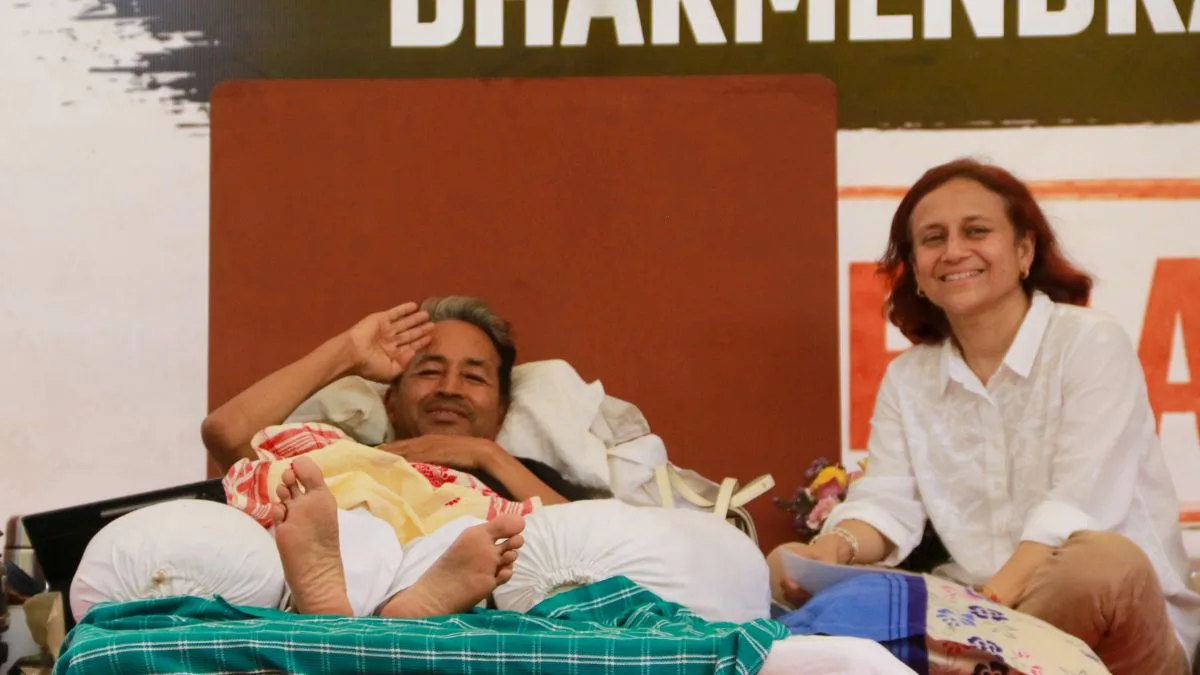
Indian footballers have not shied away from voicing this concern. Indian footballer Sandesh Jhingan raised the issue, questioning whether India truly supports its own players.
Taking to Instagram, Jhingan wrote:
“Now that the euphoria of the past few days of the entire country suddenly embracing football has settled somewhat, I felt compelled to share my thoughts. First and foremost, it genuinely made me happy to see that our country does love football, that it can fill stadiums to full capacity and that people are willing to spend lakhs to witness the sport.
What troubles me, however, is that at a time when our own football ecosystem is in jeopardy-arguably facing one of its most difficult phases-we stand on the brink of having no active domestic football ahead of us. It feels as though we are close to shutting everything down because there is no willingness to invest in football within India, yet crores were spent on this tour. What this tells me is that we do love the sport, but perhaps not enough to support our own players.”
Olympic gold medallist Abhinav Bindra echoed similar sentiments while acknowledging Messi’s stature.
“Lionel Messi is one of those rare athletes whose story transcends sport. His journey from a child fighting physical odds to a footballer who redefined excellence has moved millions across the world. As someone who has lived the life of an athlete, I hold profound respect and admiration for what he represents—perseverance, humility, and an uncompromising pursuit of greatness.”
Celebrating Argentina’s FIFA World Cup-winning icon is not the problem. The issue lies in what such moments reveal about our priorities. Respecting greatness should not come at the cost of neglecting foundations at home. If Indian football is to have a sustainable future, admiration for global icons must be matched by consistent investment in domestic leagues and players.