Inflation Warning
A sharp rise in wholesale inflation ~ to 9.68 per cent in May ~ is more than a statistical development; it is an early warning of stress building beneath the surface of the economy.
The latest interest rate cut by the US Federal Reserve should have been a routine step in a predictable easing cycle.




US federal Reserve
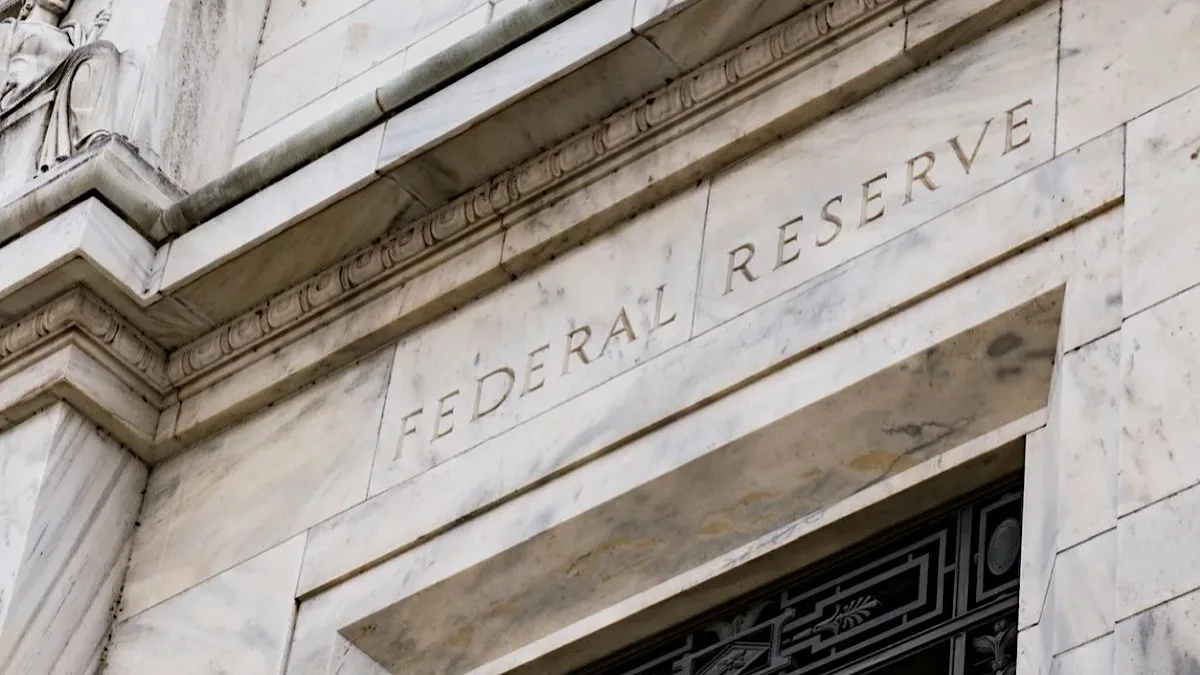
The latest interest rate cut by the US Federal Reserve should have been a routine step in a predictable easing cycle. Instead, it has exposed the increasingly fragile state of America’s monetary policymaking. Beneath the technical language of quarter-point adjustments lies a deeper struggle: a central bank trying to navigate a slowing labour market, persistent inflation, and an unusually charged political backdrop ~ all while operating with incomplete data and widening internal divisions. At the heart of the problem is the Fed’s dual mandate. Normally, the goals of stable prices and low unemployment move in roughly the same direction. Today, they do not.
Inflation is still running above target, even if not surging. Meanwhile, the job market is losing steam, with unemployment ticking up and business sentiment weakening. When the Fed cuts rates to support jobs, it risks worsening inflation; when it holds steady to restrain prices, it risks further labour-market deterioration. Policymakers cannot fully reconcile the tension, and the disagreements now spilling into public view reflect that. The latest vote showed three clear dissents, with one official arguing for a deeper cut and two preferring no cut at all. Such visible divergence is unusual. It signals not just different readings of the data but fundamentally different assessments of risk. Some fear that failing to support the labour market now could tip the economy into a sharper slowdown. Others worry that easing too enthusiastically will entrench elevated inflation and diminish the Fed’s credibility.
Advertisement
Making matters worse, the months-long government shutdown deprived the Fed of timely data, forcing it to make decisions in near-blind conditions. Even now, incoming numbers arrive in a distorted sequence, reducing confidence in short-term forecasts. When policymakers cannot trust the data, they become cautious ~ or, as in this case, fragmented. Hovering over this uncertainty is the political pressure radiating from the White House. The President has been vocal in demanding steeper cuts and is preparing to choose the next Fed chair. Several of the candidates being suggested have close ties to his economic agenda, raising legitimate concerns about whether the next leader of the central bank will command full independence.
Advertisement
Markets can absorb higher or lower rates; what they cannot absorb is doubt about the institution’s autonomy. The current rate cut, then, is less important than what it reveals. The Fed is confronting a rare moment when its economic indicators, political environment and internal consensus are all misaligned. It is trying to buy time ~ time for data to stabilise, time for disagreements to settle, and time for a new leadership decision to be made without undermining credibility. Whether that time will be enough remains an open question. But one thing is clear: the path ahead for US monetary policy is no longer defined by trajectories or projections, but by uncertainty itself.
Advertisement