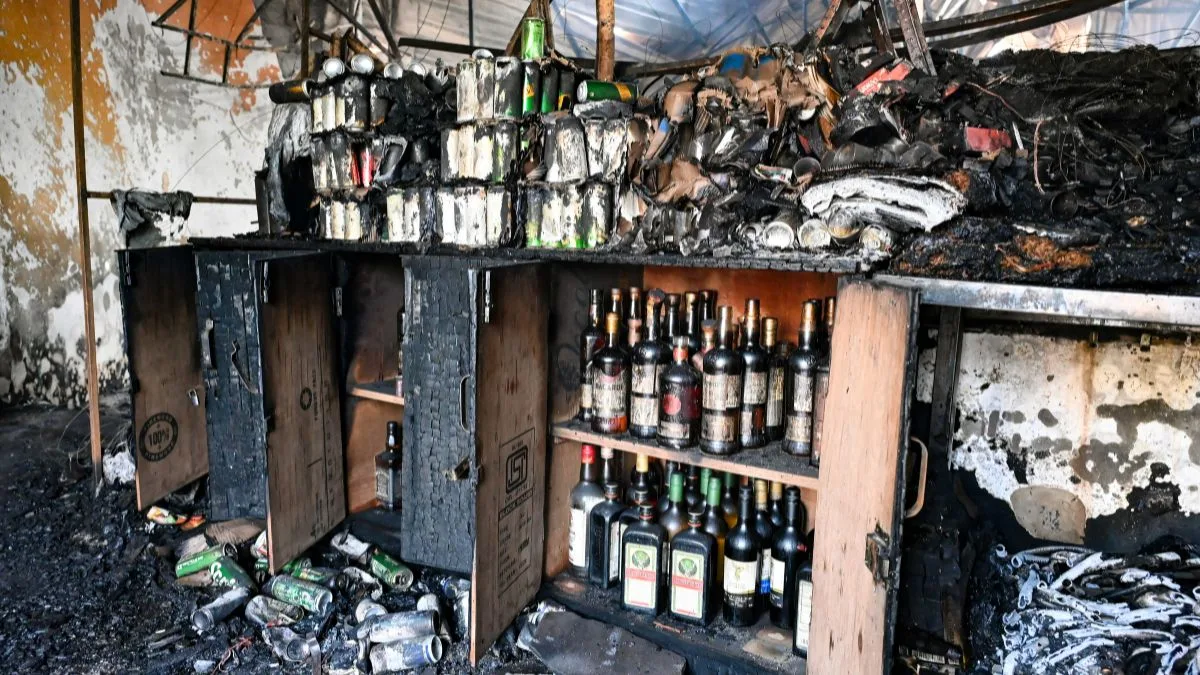
The devastating fire at the Birch by Romeo Lane nightclub in Arpora, Goa, which claimed 25 lives, has triggered public anger, but the political response across parties within the small beach state has been somewhat muted, even though activists have been vocal.
Congress and AAP leaders in Delhi mounted pressure on the ruling BJP, but local full-blown political attacks on the BJP-led government are not so visible. While BJP supporters point to Prime Minister Narendra Modi’s “immediate” social media post as evidence of the BJP’s “seriousness” about the issue, sceptics argue that illegal structures, irregular licences, and lax nightlife regulations cut across political networks, reducing the appetite for full-blown attacks.
Advertisement
Goa’s thriving tourism industry, which contributes a sizable figure to the state’s GDP, has been drawing criticism from activists for its environmental costs. Unchecked commercial expansion—ranging from beachfront resorts and tourism shacks to poorly managed infrastructure systems—has accelerated coastal erosion, polluted water bodies, and strained public infrastructure. Short-term profits are being prioritised over sustainability, and deforestation and habitat loss threaten traditional livelihoods, leaving its fragile environment under tremendous pressure. “Goa’s story is that of greed powered by its unchecked tourism and illegal mining and politicians and businesses prioritising profit over sustainability,” says an official
In December 2024, reports surfaced about this “controversial” Anjuna beach club, Romeo Lane, which allegedly built another illegal wooden structure extending into the sea just three months after demolishing a similar one under pressure. “The act highlighted persistent violations of Coastal Regulation Zone (CRZ) norms and systemic enforcement failures despite Goa Coastal Zone Management Authority (GCZMA) orders to remove multiple unauthorised constructions. The new construction was not just a physical violation but an act of defiance, underscoring systemic failures in protecting Goa’s fragile coastal ecosystems,” the official added
In fact, the saying “is hamam mein sab nange hain”—literally meaning “everyone is naked in the public bath” forms the base of this argument. Idiomatically, it means that everyone has flaws, so no one can judge others. With illegal pubs, unlicensed constructions, and lax regulations widespread across party lines, many observers believe political actors hesitate to escalate the issue for fear of drawing attention to their own vulnerabilities.
The Goa Forward Party’s Vijai Sardesai offered one of the sharper responses, calling the partial demolition of the Romeo Lane structure a “diversionary stunt” and accusing the ruling BJP of indulging in “Uttar Pradesh-style bulldozer raj.” AAP criticised Chief Minister Pramod Sawant for allowing the club to operate despite alleged violations, though most of its attacks came from Delhi. Congress leader Pawan Khera questioned why the FIR named only two directors—Saurabh Luthra and Gaurav Luthra—while excluding a third, Ajay Gupta. Goa Police clarified that Gupta had been detained after a Look Out Circular was issued, but doubts linger over why the FIR did not include him at the outset. Congress leader Rahul Gandhi called the incident a “criminal failure.”
BJP supporters claim the Sawant government’s “swift administrative action” helped blunt political attacks. “The chief minister ordered a magisterial probe within hours, suspended officials, issued warrants against the owners, mandated safety audits at tourism hotspots, and announced compensation for victims,” they say. These steps framed the tragedy as negligence rather than systemic corruption, making it harder for opposition parties to turn it into a political storm.
Another factor may be “hafta raj”—extortion networks and lenient oversight—that allows illegal nightlife to flourish in the tiny beach state. Since many establishments exist in legally grey areas regardless of political affiliation, attacking the government may not be an option. In Goa’s easygoing political culture—where the concept of ‘susegad’ underlines its laid-back, contented approach to life—the question now is whether, as Goa moves toward local elections and the 2027 Assembly polls, this tragedy will change anything, or this too will be forgotten with time.