Monsoon Reckoning
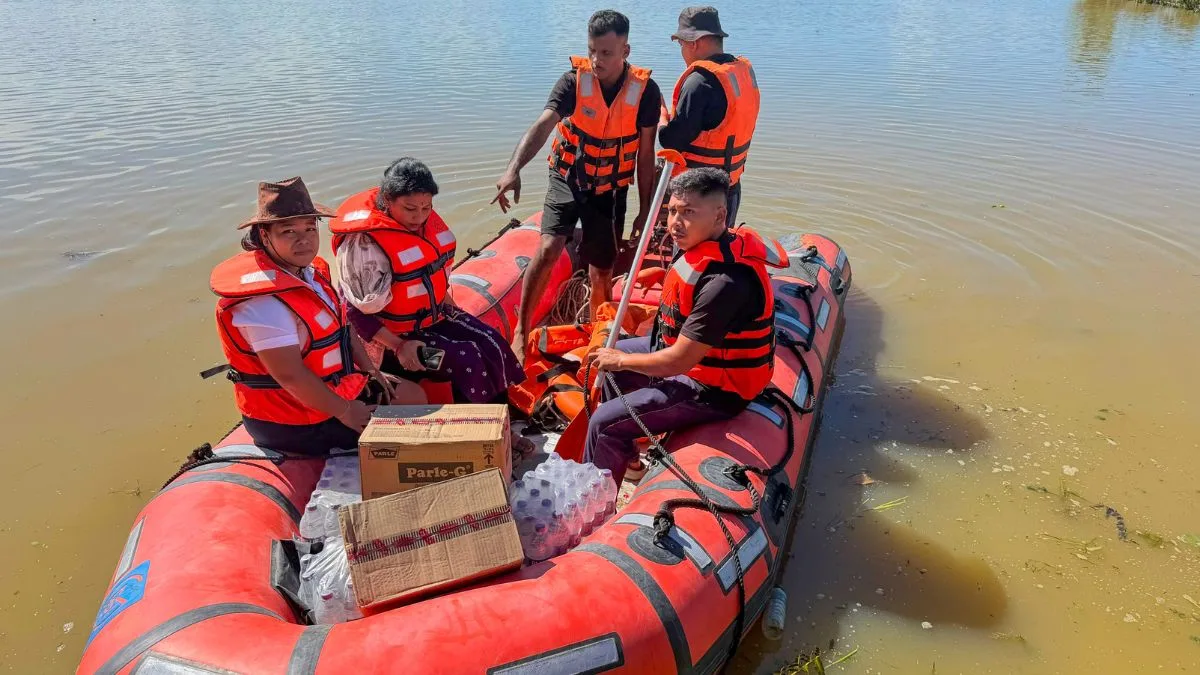
The weakest link in Indian agriculture has never been the farmer. It has been the country's enduring dependence on a monsoon that is becoming increasingly unpredictable.
Justice Pratibha M Singh on Monday underscored that stronger Centre-State coordination is crucial for reshaping India’s agriculture ecosystem, stressing that agriculture is a state subject while key influencing factors, including environment, fall under the Centre.




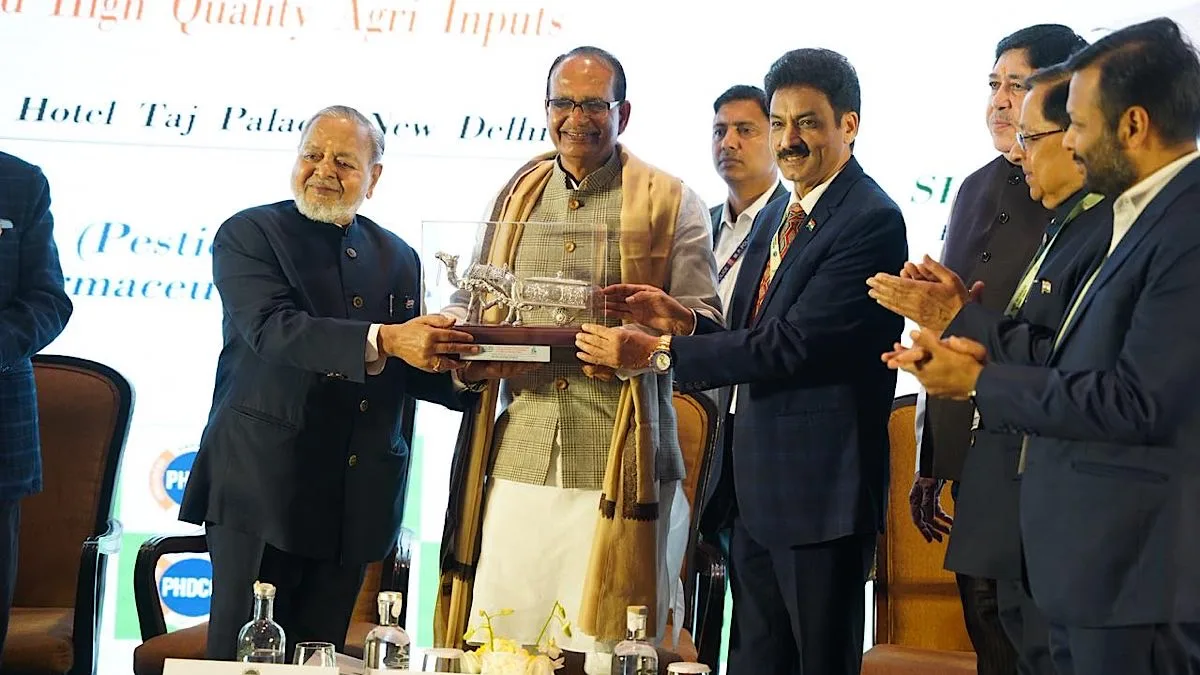
(Photo:X/@phdchamber)
Justice Pratibha M Singh on Monday underscored that stronger Centre-State coordination is crucial for reshaping India’s agriculture ecosystem, stressing that agriculture is a state subject while key influencing factors, including environment, fall under the Centre.
She said a unified policy approach is necessary to remove structural bottlenecks and ensure long-term stability for farmers. Justice Singh was speaking at the Agribusiness Summit organised by PHDCCI here.
She noted that 45.6 per cent of India’s workforce remains dependent on agriculture, yet the sector does not generate proportional economic output.
Advertisement
In contrast, developed nations employ barely 20 per cent of their workforce in agriculture but achieve nearly 60 per cent contribution to Gross Domestic Product (GDP) due to robust technological integration and efficient agri-value chains.
Justice Singh flagged persistent challenges faced by Indian farmers like poor price realisation, losses incurred during negotiations with middlemen, heavy wastage, climate-related risks, transportation gaps and inconsistent sales revenue.
These issues, she said, demand a coordinated policy framework backed by both central and state governments.
Advertisement
Emphasising the need for technology adoption, she said modern tools can substantially raise yield quality and productivity. Real-time weather monitoring, improved disease forecasting, AI-based spill detection and AI-driven pesticide regimens can help farmers curb losses and make informed decisions.
She called for stronger online marketplaces and wider agrifintech solutions to boost transparency and financial access at the farm gate.
Justice Singh further urged banks to create tailored financial products for farmers and pressed insurance companies to become more responsive in handling agriculture-related claims.
Reiterating the importance of forward-looking reforms, she highlighted crop diversification, real-time monitoring systems and precision-driven practices as essential for making Indian agriculture resilient.
She said that only a cohesive approach between the Centre and States- with technology and timely institutional support at its core- can help India build a modern, sustainable and high-yield farming ecosystem.
Advertisement