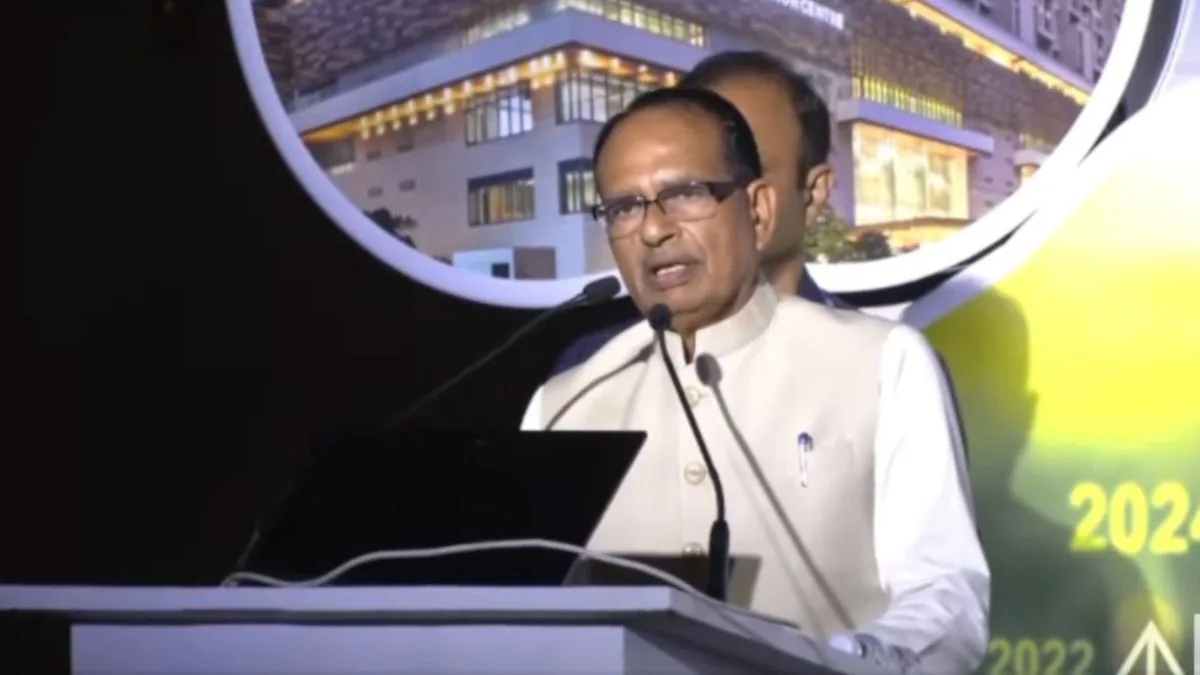
Agriculture Minister Shivraj Singh Chouhan Monday urged the private sector to make seed prices more affordable for farmers, stating that seeds supplied by private companies for Indian agriculture are costly. Issuing a strong warning, he also said those who take “wrong steps regarding seeds or engage in illegal business will not be forgiven.”
Speaking at the inauguration of the Asian Seed Congress 2025 in Mumbai, Chouhan said the private sector’s contribution, along with public institutions, is essential for developing high-quality seeds. However, he noted that most Indian farmers belong to deprived sections and cannot afford expensive private-sector seeds and appealed to companies to make prices more affordable.
Advertisement
He added that making available seeds that do not require replacement every year would address a major concern of farmers. He also directed companies to solve the problem of poor-quality seeds with low or zero germination and said action should be taken against those responsible.
This year’s Congress theme was “Sowing the Seeds of Prosperity through Quality Seeds.”
Meanwhile, the government is considering bringing a new law related to seeds and pesticides in Parliament, according to the official statement.
Chouhan said the main objectives of the BJP-led NDA government are to ensure food security, provide nutritious food, and make farming a profitable business. The government, he said, has focused on increasing per-hectare productivity, ensuring good seeds for farmers, reducing production costs, and giving high priority to fair prices for farm produce.
He said the Indian Council of Agricultural Research (ICAR) and various state institutions are working to develop bio-fortified and climate-resilient crop varieties to address malnutrition. Calling climate-resilient varieties the need of the hour, he said India must develop seeds that can withstand drought, heat, and pests across its 15 agro-climatic zones. Two rice varieties have been developed using genome editing, which can increase productivity by 19 to 40 per cent, require less water, and help reduce carbon emissions, he added.
Chouhan also called for more R&D in coarse grains and agreed on the need to reduce the time required for testing seeds. Testing costs are high, and the government is ready to work jointly with the private sector to address the issue, he added.