The voice that lingered like a Melody: India bids a tearful farewell to Suman Kalyanpur
The curtains have fallen on one of the gentlest and most enduring voices of Indian music.
The hostage crisis that unfolded in Mumbai on Thursday, where a man held 17 children and two adults captive in an acting school before police intervened, was mercifully resolved without loss of life.




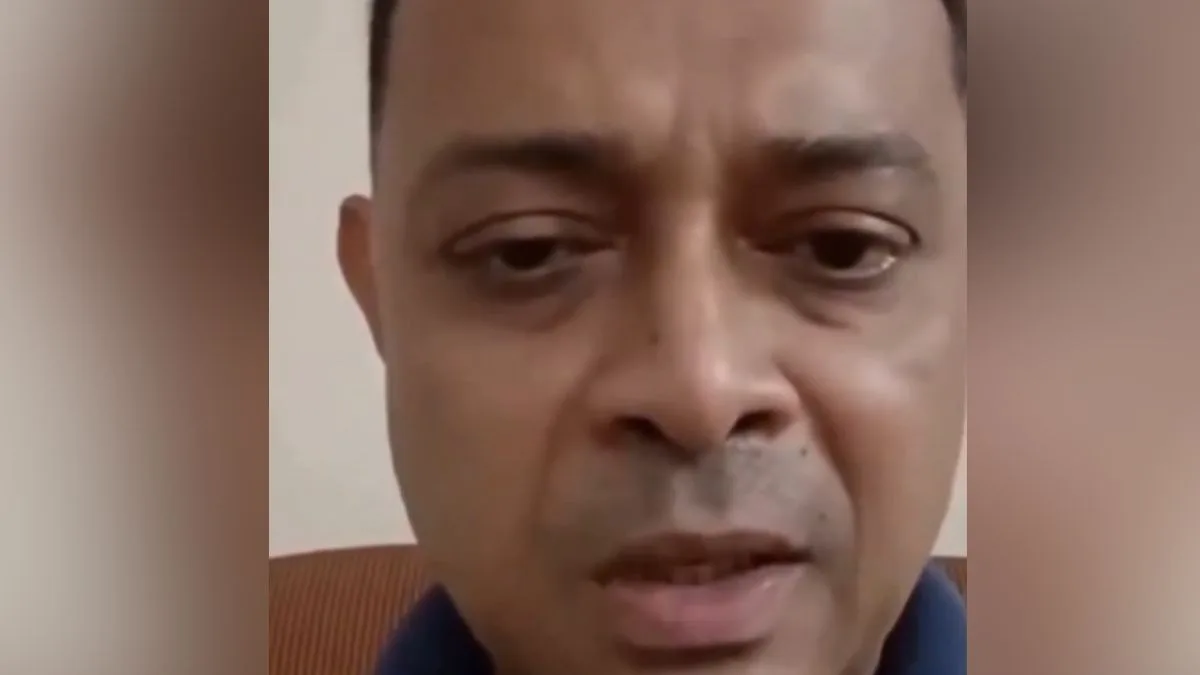
The hostage crisis that unfolded in Mumbai on Thursday, where a man held 17 children and two adults captive in an acting school before police intervened, was mercifully resolved without loss of life. But the incident raises unsettling questions about how psychological distress, moral disillusionment, and the pressures of modern urban life can combine to produce moments of explosive instability. Beneath the reassuring outcome of a successful rescue lies a deeper unease about what drives such eruptions in an increasingly volatile society. The hostage-taker reportedly made no political or financial demands.
Instead, he spoke of “ethical” and “moral” concerns, and of wanting to “ask questions.” The language was confused but revealing, a glimpse into the state of mind of someone who, perhaps, felt voiceless and invisible. It is often at this intersection of alienation and attention-seeking that individuals cross into acts of desperation. When the line between grievance and delusion blurs, society encounters its own reflection: one of chronic anxiety, moral exhaustion, and the hunger to be noticed. Urban India is now a cauldron of compressed ambition. It breeds dreams but also discontent. Every day, millions navigate a dense maze of noise, competition, and unspoken despair. In such an environment, those on the margins ~ emotionally, professionally, or socially ~ often slip through the cracks. What happened in Mumbai was not just an act of criminal defiance but a cry for relevance, distorted and dangerous though it was.
Advertisement
The incident also highlights the extraordinary strain on local police forces who must respond instantly to crises that are increasingly psychological rather than ideological. Their ability to neutralise the situation without bloodshed deserves recognition, yet the larger challenge is preventive rather than reactive. India lacks the infrastructure to detect and manage mental health breakdowns before they escalate into public danger. A society that prizes performance over empathy cannot long remain secure. When success becomes the only measure of worth, those who fail, or who believe they have failed, may seek twisted forms of validation. Public institutions, from schools to workplaces, need to reintroduce conversations about mental resilience, dignity, and belonging. In the aftermath of such events, the focus often drifts toward sensational details ~ the weapons, the rescue, the footage. But the more urgent task is introspection.
Advertisement
The man’s “moral demands” may have been incoherent, yet they hint at a collective disquiet that can no longer be ignored. This episode, however brief, is a reminder that stability in India’s great cities is not guaranteed by law and order alone. It rests equally on unseen scaffolds of emotional health, civic compassion, and trust, all of which are wearing thin. Unless these fractures are addressed, the next flashpoint may arrive not from ideology or crime, but from within the fragile human psyche itself
Advertisement