Gauri Gupta’s Project Mantrakala: Reviving the legacy of Japiur Jantar Mantar
Her aim was to reshape the societal perception of this historical UNESCO site and explore the scientific, religious, and philosophical intersections that it represents.
Gupta’s work goes beyond awareness and education. The People’s Collectives regularly brings Dalit and Tribal leaders together with government officials including panchayat representatives.




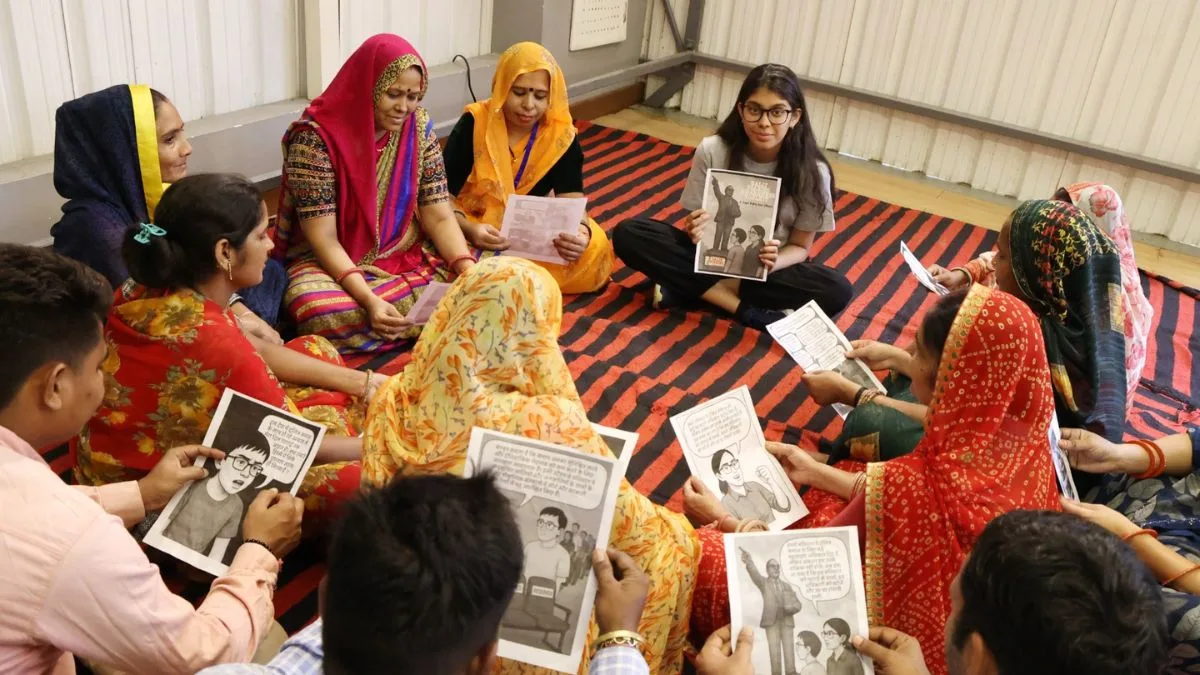
Photo: Special Arrangement
Gauri Gupta, a 17-year-old woman, is quietly shaking up the social landscape in India. Caste discrimination and atrocities still shape lives across the country. And, this young activist has taken it upon herself to amplify long-ignored voices.
Through her organisation, The People’s Collectives, Gupta is combining oral histories, digital innovation, education and legal reform to create real change for Dalit and Tribal communities.
Advertisement
“Our goal is to decentralise caste power and return agency to people whose voices have been silenced for generations,” Gupta explains. Already, her work spans four states: Gujarat, Karnataka, Maharashtra, and Rajasthan.
Advertisement
At the core of The People’s Collectives is a participatory oral history project. So far, over 350 testimonies from Dalit and Tribal communities have been collected.
Some team members are focused on migrant labourers working in construction, brick kilns, and agriculture; sectors where Dalit and Adivasi voices are rarely heard. “The stories we document are archives of resistance. They refuse to be erased,” Gupta says.
Taking her mission online, Gupta is building a digital Untouchability Museum, the first of its kind in India. The museum will showcase 56 objects connected to caste discrimination such as segregated brooms, pots, and tin plates each paired with firsthand accounts.
The museum is a tool for learning. By combining history with digital storytelling, Gupta hopes to turn memory into public education, helping young people understand the lived realities of caste-based oppression.
The People’s Collectives has launched Caste Consciousness Clubs in 83 schools across India. These student-led groups use a caste sensitivity curriculum to cultivate empathy and critical thinking from a
young age.
Beyond schools, the organisation has created a rights-based multilingual toolkit for over 2,600 members of Dalit-Bahujan communities. The toolkit explains legal rights, safety measures, and education entitlements in simple language.
Gupta’s work goes beyond awareness and education. The People’s Collectives regularly brings Dalit and Tribal leaders together with government officials including panchayat representatives in rural Rajasthan, to discuss policy and reforms.
The organisation has also run legal aid camps in partnership with universities, helping 65 families file FIRs under the Scheduled Castes and Scheduled Tribes (Prevention of Atrocities) Act. A special initiative
called Tribal Vikas has registered 1000 members from denotified tribes giving them access to healthcare, education, and housing programs.
“These legal recognitions are not just paperwork,” Gupta says. “They are identity, dignity, and access, the first steps toward justice.”
The People’s Collectives also promotes financial empowerment. About 90 Dalit youth have received micro-grants for vocational training in areas. These include tailoring, beauty, and computer skills. Many have used this support to achieve financial independence and build sustainable community projects.
Strategic partnerships and CSR funding have allowed Gupta to expand her programs, securing over $25,000 from different organisations. Her team also mobilised youth collectives across multiple districts to campaign for transparency and equity.
Gauri Gupta’s unique approach is all about insistence on community-led action. She combines archival research with digital tools and grassroots organising. This makes Dalit and Tribal people the narrators and decision-makers of their own stories, rather than saviours occupying their spaces.
Advertisement