FSSAI slaps Swiggy Instamart with 9 notices over of ‘expired, spoiled, rotten, contaminated’ food products
The quick commerce platform allegedly delivered rotten eggs and expired whey protien.
India’s growing UPF market is leading to an uncontrolled and unregulated junk food epidemic. Governments are responsible for providing public goods, and health is a most vital public good, especially when it concerns children.




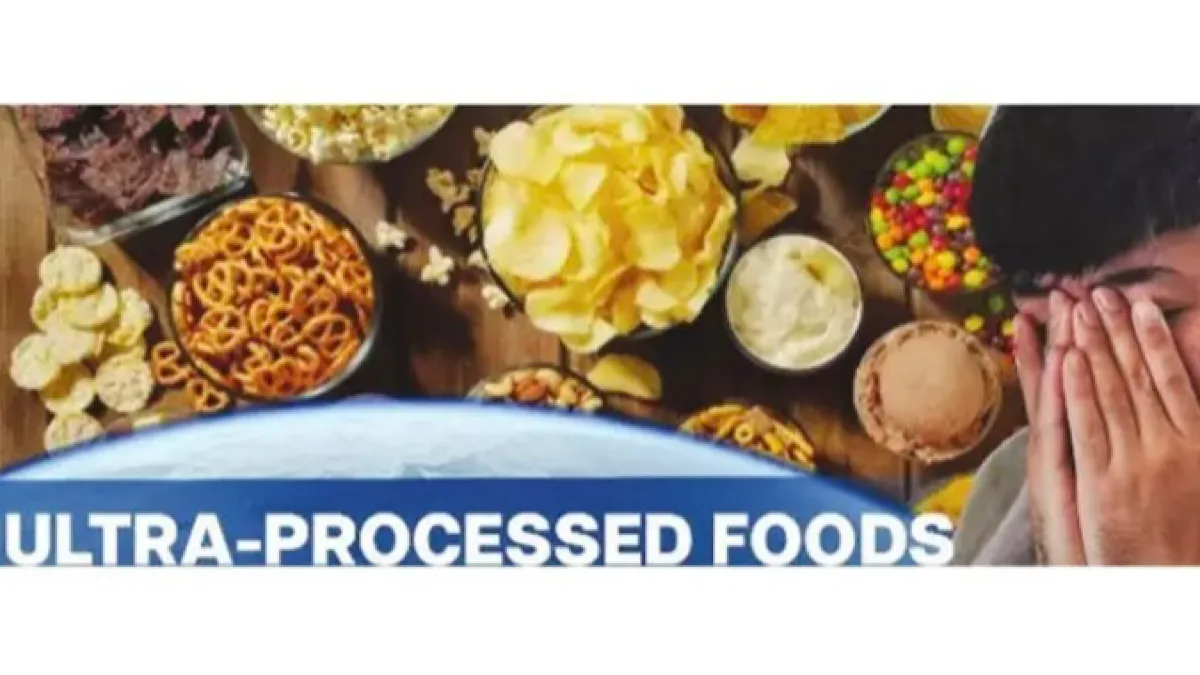
Photo:SNS
India’s growing UPF market is leading to an uncontrolled and unregulated junk food epidemic. Governments are responsible for providing public goods, and health is a most vital public good, especially when it concerns children. In their relentless pursuit of profit, the UPF and sugary beverage industries have systematically compromised children’s health, prioritizing financial gain over their social and ethical responsibility. The major players in the Indian UPF and sugary beverages industries include both MNCs and Indian companies: PepsiCo India (Producer of Lay’s, Kurkure, Doritos, Quaker, and sugary beverages like Pepsi and 7Up); Hindustan Coca Cola Beverages (Coca-Cola, Thums Up, Sprite, Maaza, Limca), Parle Agro Ltd.
(Frooti, Appy Fizz), ITC (Bingo chips, Sunfeast), Nestlé India (Maggi and other instant noodles and a host of packaged foods), as well as many others like Mondelez India, Britannia Industries, McCain India, Hindustan Unilever, Dabur, Marico etc. Their total annual turnover from packaged food and beverages would exceed Rs 1 lakh crore (US$11 billion), the contribution of UPFs being unknown. They employ an estimated 80,000 direct employees, while according to a Deloitte-FICCI report released in May 2025, the Indian food-processing sector (which includes packaged foods, dairy, beverages, meat, fruits and veg processing, etc.) is estimated to be valued above US$300 billion, supporting over 7 million jobs across the value chain, including manufacturing, farm-linkage, distribution, retail, informal and secondary employment.
Advertisement
They include, besides the above major companies, hundreds of thousands of small and medium food processors and micro food units, plantation and farm labour, distribution/sales staff, and retail / street vendors/grocery shops. An overwhelming majority of them would not have the infrastructure and investments necessary for producing UPFs, which therefore would account for a miniscule part of the total food processing industry, both in terms of turnover and employment, though their contribution to the profits of large companies would be disproportionately higher and earned at the cost of irreparable damage to the health of people, especially children. UPFs represents a ticking time bomb of lifestyle diseases and health expenditures and banning them would not cost us much in terms of growth or employment compared to the benefits that would accrue in terms of national health and productivity.
Advertisement
UPFs trigger cravings ~ a key feature of addiction, and food MNCs leverage it by applying the lessons learned from tobacco companies that they had acquired. Research in USA in 2021 showed that 20 per cent of adults and 15 per cent of kids and adolescents showed signs of addiction to UPFs that lead to their compulsive consumption. Addictive foods, like alcohol or tobacco, powerfully activate our brain’s reward system linked with neurochemicals like dopamine. Evolution has hardwired our brains to secrete feel-good chemicals like dopamine when we seek energy from fatty and sweet foods. Humans have evolved by seeking foods that are sweet, fatty, and high in calories to store energy in their bodies to survive an uncertain environment. But in nature, foods are only modestly high in sugar as in fruits, or high in fat as in nuts, but never rich in both fat and sugar. That is a hallmark of UPFs alone.
Among children, UPFs cause obesity, many metabolic disorders and dental decay from excessive sugar intake which leads to long-term oral health problems. They negatively impact behavioural and cognitive development of children, causing attention and learning difficulties, besides elevated risks of developing chronic diseases from addictive, long-term consumption, even during childhood. The aggressive marketing strategies employed by the companies target children through advertisements on prime-time television, social media, exploiting their impressionability and lack of critical thinking skills. Many of these products are marketed with misleading labels such as “low-fat,” “sugar-free,” or “fortified with vitamins,” despite containing high levels of unhealthy ingredients. There is an absolute lack of transparency regarding the long-term health effects of consuming these products, leaving consumers unaware of the potential risks.
Besides, the companies have astounding lobbying power against regulations, advertisements, or implementing clearer and truthful food labelling which undermine most public health initiatives. They have the financial muscle to employ any number of scientists to prove that their products are not only harmless but even beneficial to the health of children. Published research in BMJ, a peer-reviewed British medical journal, in 2024 pointed to direct links between higher consumption of UPFs and a greater risk of heart disease-related deaths, type 2 diabetes, obesity, wheezing, anxiety, depression, sleep problems. These corroborate the results from earlier studies conducted in other countries as well.
While the effect of eating too much salt, sugar, and/or saturated fat on blood pressure or blood sugar is well known, most are unaware about the risk that they pose for vascular dementia resulting from decreased blood flow to the brain. Additives like monosodium glutamate (MSG) also interfere with the production and release of brain chemicals dopamine, norepinephrine, and serotonin, which may ultimately lead to depression, anxiety, and dementia. Children who consumed these foods were found to have higher levels of unhealthy cholesterol and glucose in their blood. They invariably lead to weight gain because the more you eat these, the more you want.
In 2015, Nestlé India’s product Maggi ~ their largest cash-cow – faced serious regulatory action in India after their samples were found to contain unacceptable levels of lead and also over concerns around “no added MSG” labelling, as these were also found to contain MSG at levels way above permissible limits. A public outcry made Nestlé recall and withdraw the product from the market and destroy 38,000 tonnes of Maggi noodles after the controversy. The government filed a complaint alleging “unfair trade practices”, defective goods, mis-labelling, etc. against Nestlé India before the National Consumer Disputes Redressal Commission (NCDRC), demanding Rs 640 crore in compensation and punitive damages. However, while Nestle relaunched Maggi in the market after five months, the NCDRC dismissed the government’s plea.
Governments in developing countries can do precious little to regulate MNCs, partly because they need them to bring investments and generate employment. But MNCs need the developing countries more than the countries need them, because without the huge markets provided by the developing countries, MNCs would be nowhere. Governments in developing countries are actually in a much stronger bargaining position, and no other country is more favourably placed in this regard than India, where except a higher GST rate on sugary drinks, there is practically no tax on UPFs. Front-of-pack labelling norms are being debated by the Food Safety and Standards Authority of India (FSSAI), but industry pushback has been strong. In any case, there’s hardly anyone who reads these labels, let alone understand them. Governments should have launched a blitzkrieg awareness campaign long back to sensitise people about the evils of UPFs and sugary drinks, to wean them away from these health hazards and to promote healthy food habits.
The window in which these would have yielded results is now closed. The initiatives to encourage investments in healthier processed food innovations like millet-based snacks have come too little and too late, and are clearly unequal to the task of reclaiming the land lost to the UPFs. The only option left before the government is to bar these UPFs and unhealthy sugary drinks altogether from the Indian market, by providing transition support to industries like packaging and logistics when demand shifts towards healthier alternatives, if necessary. Actually, the debate on UPFs is not merely about food, it is about the kind of development that we want.
Do we need a country full of obese or diabetic children and adults suffering from various debilitating ailments that cost the nation the productivity of their workforce and sustainable growth of its GDP, or a country that prioritises short-term growth at any cost over long-term public health sustainability? UPFs have already created a monumental crisis of health which will ultimately lead to astronomical increases in health expenditure of both households and governments, and the long-term health costs of UPFs will far exceed their short-term economic benefits. A government that claims to be for the people can no longer afford to prioritise corporate interests over our children’s health. It must forthwith ban all UPFs and sugary drinks to ensure a healthier future for the next generation.
(The writer is a commentator, author and academic. Opinions expressed are personal)
Advertisement