In a small town on the banks of the Ganges, a young woman stood her ground, not merely against a man’s taunts but against the weight of an entire patriarchal mindset that continues to dictate how women in India should live, dress, and dream. Muskan Sharma’s calm defiance when confronted by self-appointed moral guardians is a moment that goes beyond a beauty pageant. It is a powerful reminder that individual freedom and dignity cannot be negotiated or suppressed under the guise of preserving “culture.”
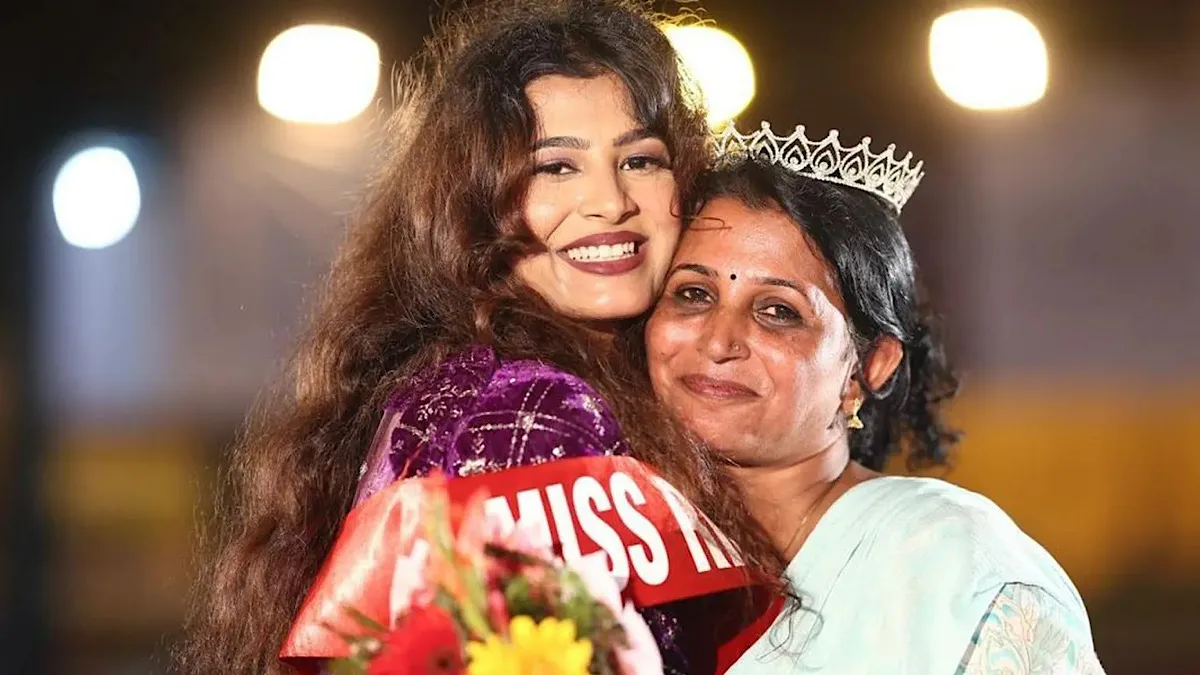
The scene was ordinary enough ~ a group of contestants preparing for a local beauty pageant ~ until a man stormed in to berate them for wearing skirts and “Western” clothes. What followed was extraordinary. Instead of shrinking back, Ms Sharma questioned his right to police her choices. Her retort was sharp, logical, and fearless: if the sale of such clothes was not against the law, why should wearing them be? And if morality was truly the concern, why ignore far greater social ills like alcoholism and drug abuse? This was not a protest staged for the cameras. It was a spontaneous act of resistance, born out of instinct and conviction. Ms Sharma was defending her right to participate in a world that still sets boundaries for women and punishes them when they cross those invisible lines. That she went on to win the crown the next day only amplified the symbolism ~ courage rewarded with recognition, defiance transformed into dignity.
Advertisement
Rishikesh, where this unfolded, is not a city unaccustomed to diversity. It hosts yoga seekers, international tourists, and spiritual travellers, many dressed far more freely than the pageant contestants. Yet, the backlash Ms Sharma faced reveals how selectively this supposed morality is applied – rarely to men, often to women, and almost always to those who dare to be seen. The hypocrisy is glaring: a “Mr” contest featuring bare-chested participants would invite applause, not outrage. In many ways, this incident captures the tension between India’s cultural confidence and its lingering insecurities. Our society has learned to celebrate women’s achievements only when they fit within accepted frames ~ as professionals, mothers, or icons of beauty who still appear “modest.”
But when a young woman asserts the right to be herself, unapologetically, it unsettles the moral gatekeepers. Ms Muskan Sharma’s victory, therefore, is not just a personal milestone. It is a quiet, yet emphatic, declaration that small towns in India are ready to challenge outdated notions of honour and shame. Her story is a testament to a new generation of women who are not asking for permission, they are claiming their space. For all its noise about culture and values, India’s real strength lies in the courage of those who defend choice over conformity. That courage, as Ms Sharma has shown, can make even the smallest crown gleam with the light of a much larger freedom.