Coaching centre conundrum
The flashing neon signs of coaching institutes lining the avenues of every major Indian city present an undeniable truth: India runs a parallel education system.
The quiet courage of Peter and Barbie Reynolds offers both inspiration and warning.




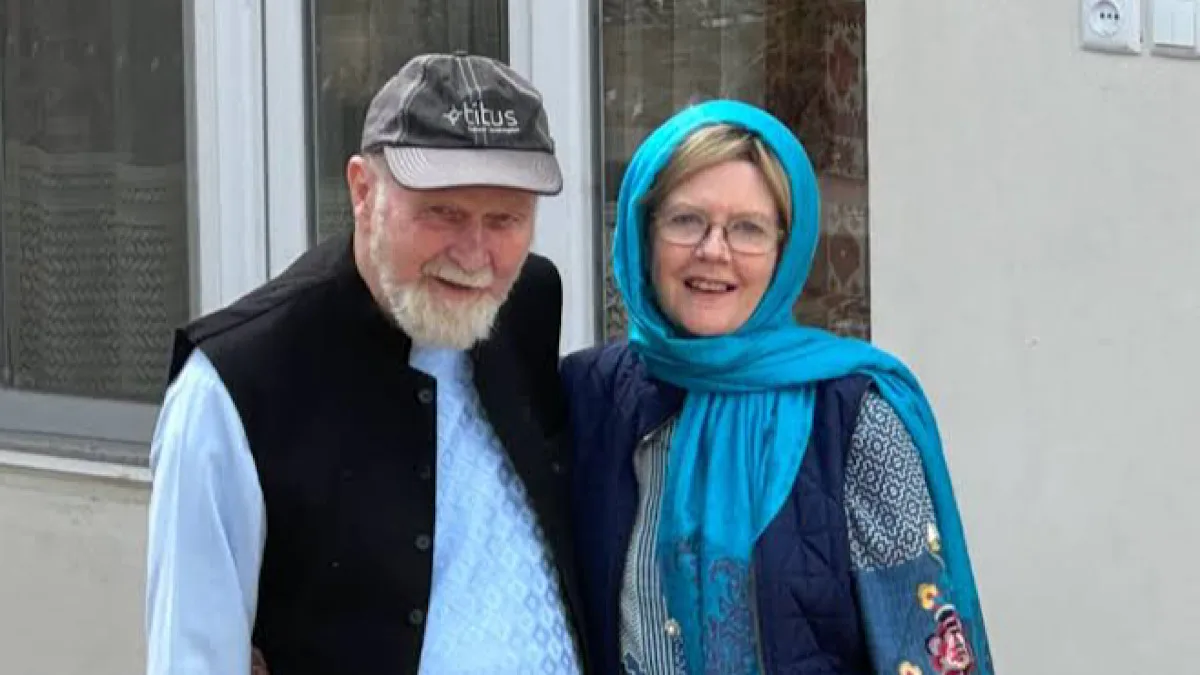
Photo:X@ArabNews
The quiet courage of Peter and Barbie Reynolds offers both inspiration and warning. For nearly two decades, the British couple devoted their lives to education projects in Afghanistan, training women and children in a country where opportunity has steadily narrowed. Their love story began there in the 1970s, and even after the Taliban’s return to power they continued their work, believing that carefully negotiated approvals from local authorities would protect them.
Yet their seven and a half months in detention reveal how fragile such protections can be under a regime that rules by whim. Arrested without explanation during a trip from Kabul to Bamiyan, Peter and Barbie were shuttled through 10 prisons, including the infamous Pul-e-Charkhi facility. They endured basement cells without windows, chained transfers, and a diet of what Peter described as “oily and salty” prison food. At eighty and seventy-six, both suffered serious health problems, including severe anaemia. Court appearances brought no clarity ~ no charges were ever presented ~ only the humiliation of being cuffed alongside murderers and rapists.
Advertisement
For Barbie, the deepest pain was watching her husband struggle to climb into a police truck with his ankles and wrists bound. Despite these ordeals, the couple speak of moments of kindness from their captors and a sense of respect that occasionally pierced the grim routine. Their release, secured through quiet diplomacy with assistance from Qatar, is a reminder that patient negotiation can still save lives in an environment where legal norms carry little weight. Their experience shows how love for a country can coexist with deep fear, proving that dedication to education and dignity does not guarantee safety when political forces ignore reason and justice.
Advertisement
Yet their ordeal underscores a harsh truth: in Afghanistan today, even foreigners who bring skills and compassion are vulnerable to arbitrary detention. Their daughter Sarah welcomed them home to Britain, but the family reunion was bittersweet. Peter and Barbie left behind their Afghan friends, their possessions, and a home filled with decades of memories. They have decided not to return, entrusting the future of the country they love to the “wonderful Afghans” they worked alongside. It is a choice made not from bitterness but from realism: the risks are simply too great for elderly humanitarians to bear again. Their story carries a larger lesson.
Humanitarian engagement in fragile states depends not only on good intentions but also on political conditions beyond any individual’s control. When a regime views outside influence as a threat, paperwork and prior approvals offer little protection. The Reynolds’ steadfastness should be celebrated, but their captivity is a stark reminder that compassion must be matched by caution. International efforts to support Afghan civil society will need creativity, persistence, and constant vigilance if they are to outlast the cold logic of power that trapped this devoted couple for nearly eight months.
Advertisement