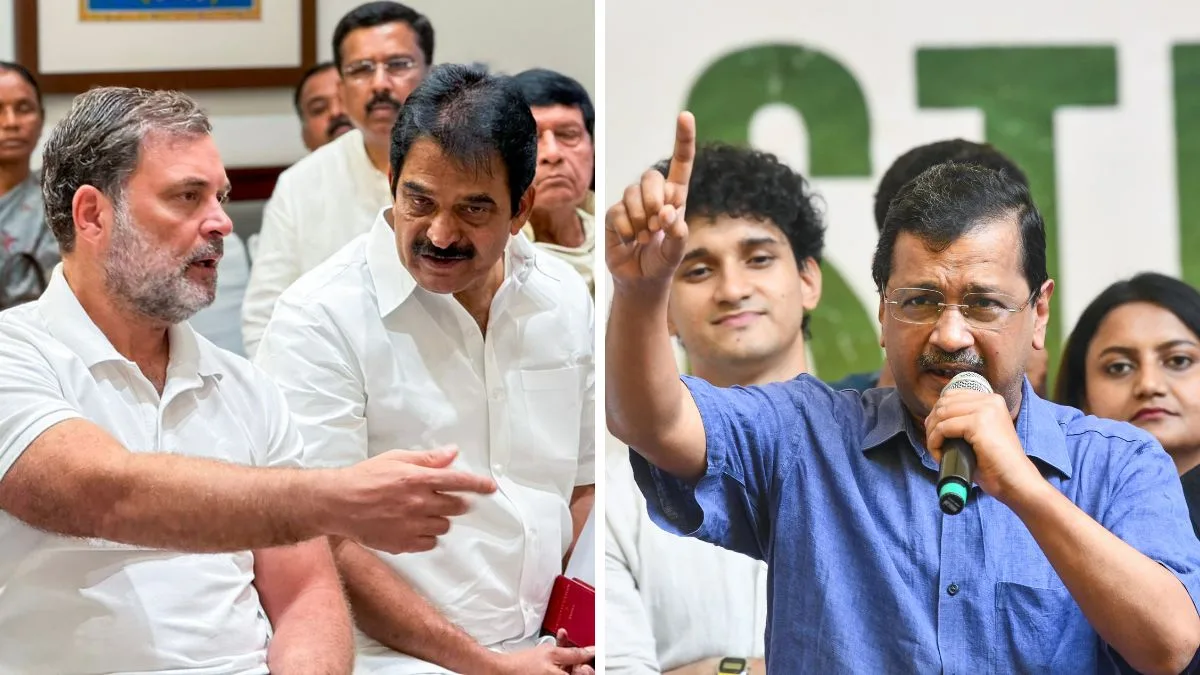
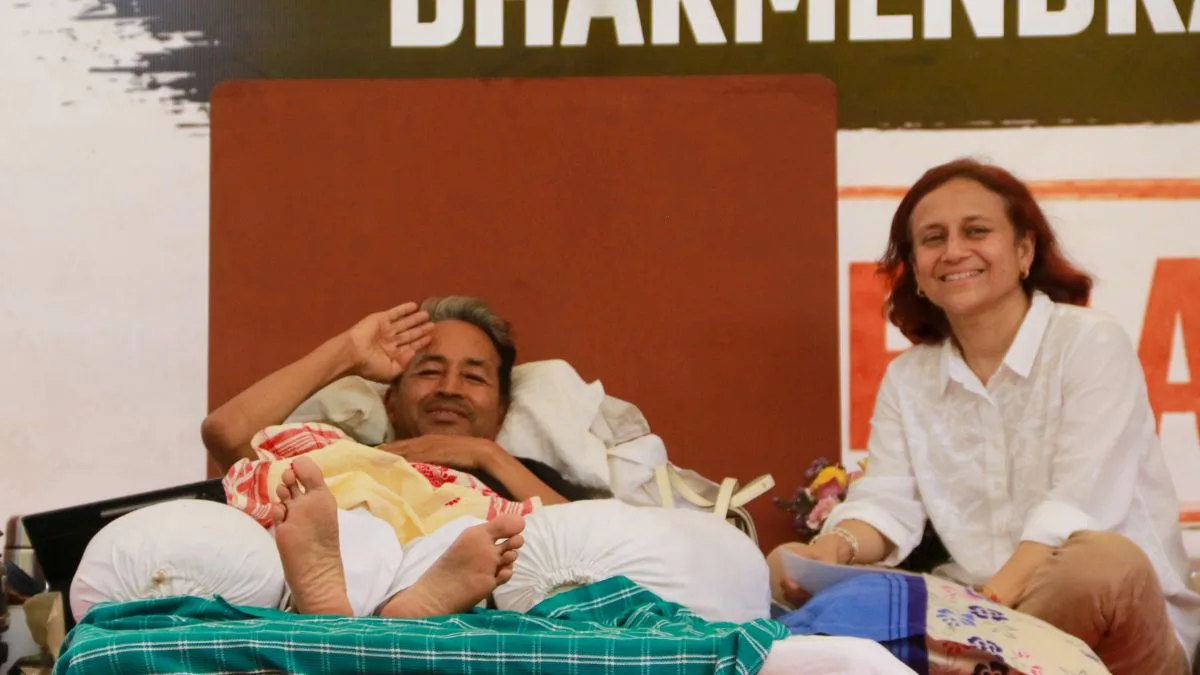
CJP’s Parliament march loses its script at Jantar Mantar, splinters into scattered protests
Student groups and Opposition workers formed a sizeable crowd, but the promised procession towards Parliament never emerged as one organised march.
Chief Minister Rekha Gupta, who chaired the meeting of the board, said that the villages are not mere symbols of tradition and culture, but the lifeline of Delhi.




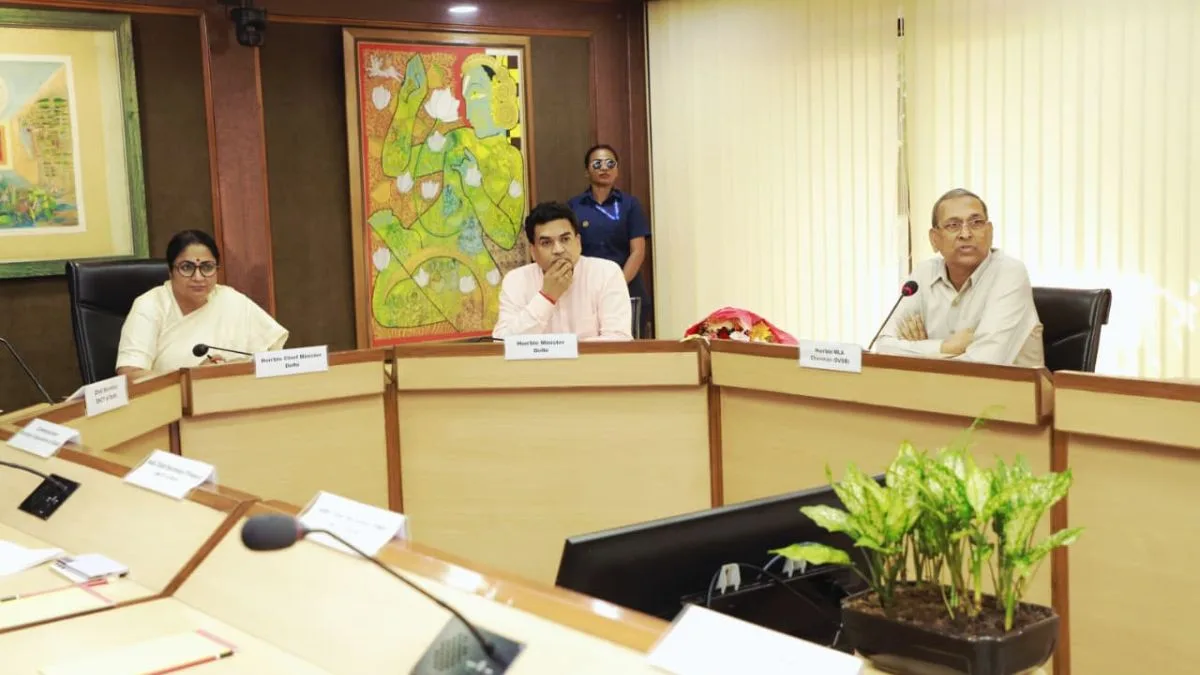
Photo: SNS
In its very first meeting, the newly-formed Delhi Rural Development Board approved more than 431 projects worth over Rs 1,000 crore for the development of the national capital’s rural belt comprising around 360 villages.
Chief Minister Rekha Gupta, who chaired the meeting of the board, said that the villages are not mere symbols of tradition and culture, but the lifeline of Delhi. The government’s goal is to strengthen basic infrastructure in the rural areas and speed up development work. She assured that there would be no shortage of funds for development of the villages.
Advertisement
Delhi government officials said area-wise plans would be prepared for the villages.
Advertisement
The meeting was held at the Delhi Secretariat with the Development Minister Kapil Mishra, Board Chairman Rajkumar Chauhan, Vice-Chairman Gajendra Singh Daral, MLAs Raj Karan Khatri, Deepak Chaudhary, Neelam Pehlwan, Kuldeep Solanki, Ravinder Singh Negi, and senior officials from the concerned departments.
The CM was happy that projects worth more than Rs 1,000 crore had been cleared in the very first meeting of the board. According to her, these funds will be used for building roads, drains, ponds, community centres, parks, cremation grounds, and sports fields.
The projects will span across 30 assembly constituencies and four parliamentary constituencies.
She directed officials to quickly prepare an area-wise list of projects for each constituency so that approvals and execution can move forward. Setting clear priorities, Gupta said it would bring more transparency and speed to the works.
Many village projects in Delhi are still pending, and after reviewing both old and new proposals, the Board approved 431 new schemes, in a bid to provide modern facilities and better infrastructure across the national capital’s villages.
The CM has given clear instructions to the concerned officials for completing all rural development projects within the set timeframe.
She stressed that her government is committed to giving rural residents the same basic facilities as those living in urban areas.
The projects will be carried out with the help of the Irrigation and Flood Control Department, the Municipal Corporation, and other agencies. For close monitoring of the works, CM suggested dividing Lok Sabha constituencies among Board members. The approved funds will also be used for developing drainage systems, chaupals, banquet halls, and other facilities, while the existing will also be renovated.
In addition, drinking water facilities, streetlights, and other need-based works will be provided to make villages better connected and better equipped.
Advertisement