The Utkal Chamber of Commerce & Industry Limited (UCCIL), espousing Odisha’s industry and trade interests, on Saturday urged the Odisha Government to protect the state’s iron ore mining industry.
Such a measure will inevitably destroy the sector, cause a collective loss of over 16200 cr to the exchequer of mining predominant states and endanger livelihoods of over 5 lac mining dependents across the states, it said.
Advertisement
In a letter to the Chief Minister Mohan Charan Majhi, the Chamber referred to a high-level meeting held on 26 August in New Delhi.
The meeting was chaired by the Union Minister of Commerce and Industry and also attended by the State Government officials.
The Chamber reiterated its full commitment to supporting this national vision. However, UCCIL has also highlighted in the communication to the Chief Minister that subsequent deliberations by the committees constituted on this matter are exploring a range of measures, including the possible imposition of export duty on low-grade iron ore (Fe < 58%).
This development has raised serious concerns within Odisha’s mining ecosystem, given the likely economic and social fallout such a policy could trigger.
In its detailed submission, the Chamber has highlighted that any such move would adversely affect not just state revenues but also the viability of mining operations and the livelihoods of thousands dependent on the sector, particularly in remote and economically vulnerable regions.
According to industry estimates and data models, the imposition of the proposed export duties on low-grade iron ore could result in a loss of over ₹10,000 crore annually to Odisha’s exchequer.
The Odisha Mining Corporation (OMC) alone is projected to suffer a revenue loss of approximately ₹5,700 crore, significantly undermining its operational sustainability and social contribution.
In 2022, a similar duty imposed on low-grade ore was swiftly rolled back within six months after it led to losses exceeding Rs 12,000 crore for the state and failed to achieve its intended policy outcomes. The letter cautioned that repeating such a measure would result in avoidable and irreversible economic damage for the state.
This is particularly concerning as mining predominant regions in Odisha are also those with dire socio-economic needs.
Also, in iron ore mining, only 25–30% of extracted material is high-grade lumps suitable for immediate domestic use. The remaining 70–75% comprises fines, largely below the 58% Fe threshold, which are not utilisable by Odisha’s MSME or steel sectors.
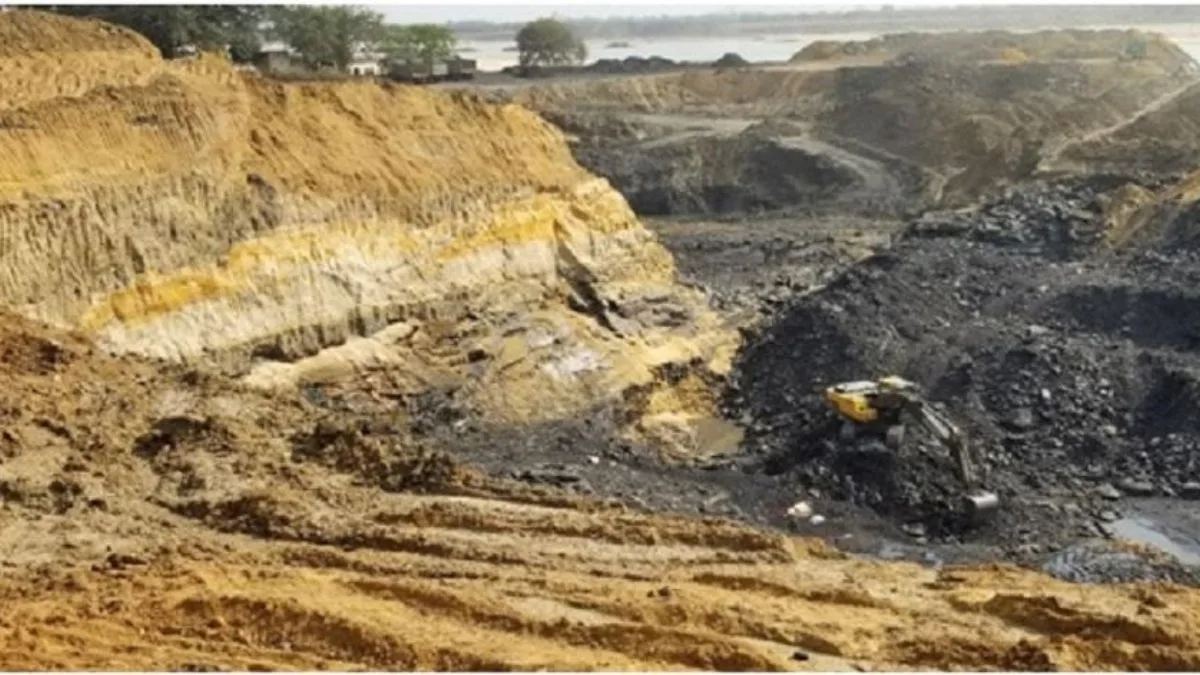
These fines, if not exported, contribute to growing mine head stockpiles, which now exceed 180 million tonnes, according to the Indian Bureau of Mines and Ministry of Commerce & Industry.
With no domestic shortage of iron ore for steelmaking, the rationale for imposing a blanket export duty on low-grade ore appears misaligned with ground realities. Domestic steel producers primarily consume high-grade ore: lumps (>60% Fe), fines (>60% Fe), and pellets (>62–63% Fe), leaving low-grade ore with limited or no domestic takers.
Export, therefore, remains the only viable economic outlet for low-grade fines—crucial for freeing up space, preventing environmental degradation, and generating foreign exchange.
Another critical dimension is that post the 2021 MMDR Amendment, merchant mines were granted through the government’s auction process. Bidders committed substantial premiums based on prevailing terms, which did not indicate any additional export levies or duties. Any retrospective imposition could render these mining operations financially unviable and erode investor confidence in the auction regime.