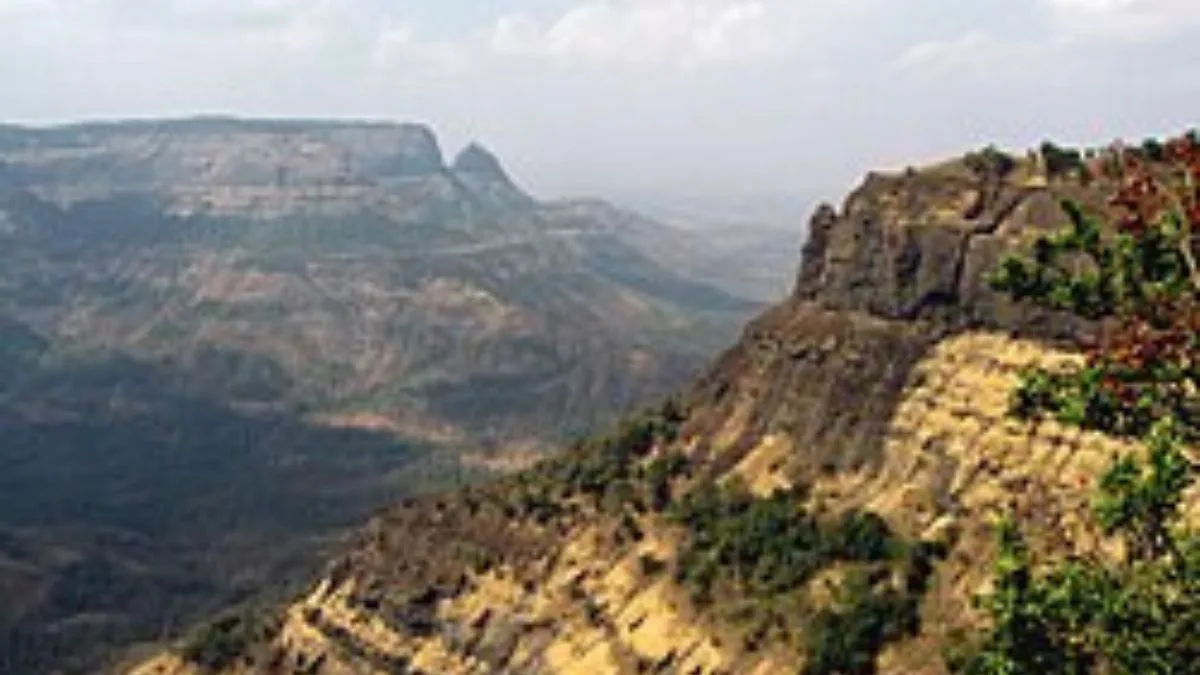
In a moment of national pride, seven remarkable natural heritage sites from across India have been included in UNESCO’s Tentative List of World Heritage Sites, increasing the country’s count on this list from 62 to 69 properties.
With this inclusion, India now has a total of 69 sites under consideration by UNESCO, comprising 49 cultural, 17 natural, and 3 mixed heritage properties.
Advertisement
”India continues to make significant strides in safeguarding and showcasing its rich natural and cultural heritage on the global stage. This accomplishment reaffirms India’s unwavering commitment to preserving and promoting its extraordinary natural and cultural legacy,” the Ministry of Culture said on Thursday.
As per UNESCO’s protocol, inclusion in the Tentative List is a prerequisite for any site to be nominated for the prestigious World Heritage List.
Details of the newly-added sites:
Deccan Traps at Panchgani and Mahabaleshwar, Maharashtra: Home to some of the best-preserved and studied lava flows in the world, these sites form part of the massive Deccan Traps and are located within the Koyna Wildlife Sanctuary—already a UNESCO World Heritage Site.
Geological Heritage of St. Mary’s Island Cluster, Karnataka: Known for its rare columnar basaltic rock formations, this island cluster dates back to the Late Cretaceous period, offering a geological snapshot from around 85 million years ago.
Meghalayan Age Caves, Meghalaya: The stunning cave systems of Meghalaya, particularly the Mawmluh Cave, serve as the global reference point for the Meghalayan Age in the Holocene Epoch, reflecting significant climate and geological transitions.
Naga Hill Ophiolite, Nagaland: A rare exposure of ophiolite rocks, these hills represent oceanic crust uplifted onto continental plates—offering deep insights into tectonic processes and mid-ocean ridge dynamics.
Erra Matti Dibbalu (Red Sand Hills), Andhra Pradesh: These visually striking red sand formations near Visakhapatnam showcase unique paleo-climatic and coastal geomorphological features that reveal Earth’s climatic history and dynamic evolution.
Natural Heritage of Tirumala Hills, Andhra Pradesh: Featuring the Eparchaean Unconformity and the iconic Silathoranam (Natural Arch), this site holds immense geological significance, representing over 1.5 billion years of Earth’s history.
Varkala Cliffs, Kerala: The scenic cliffs along Kerala’s coastline expose the Warkalli Formation of the Mio-Pliocene age, along with natural springs and striking erosional landforms, offering both scientific and touristic value.