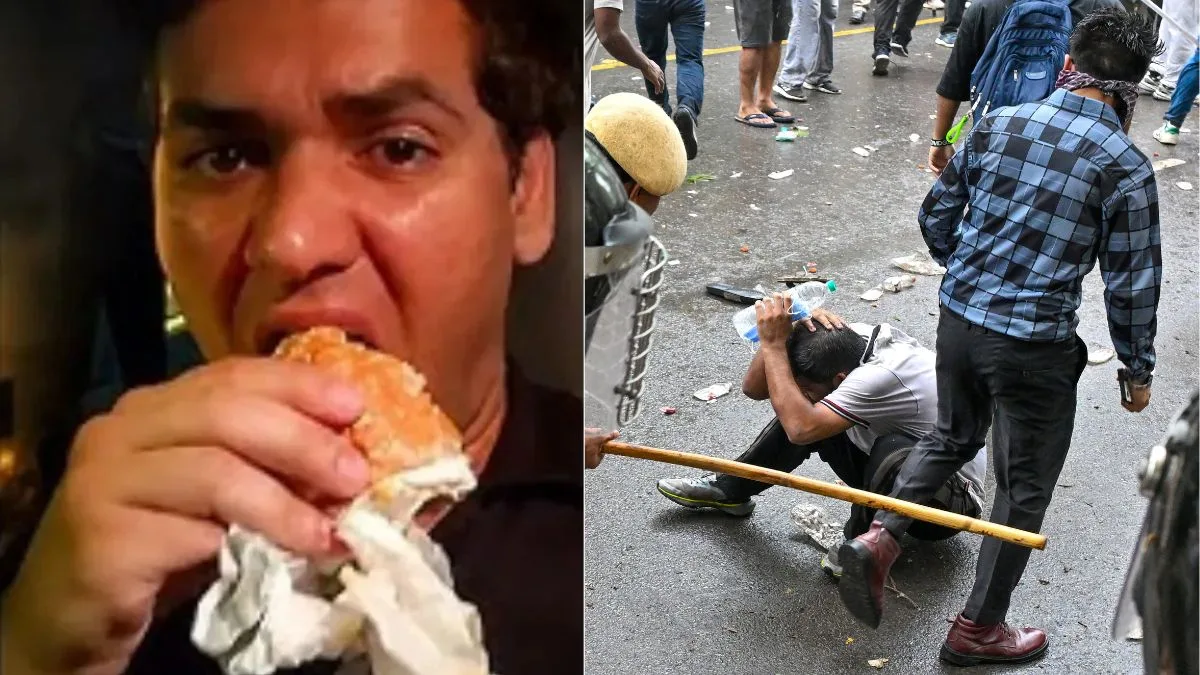
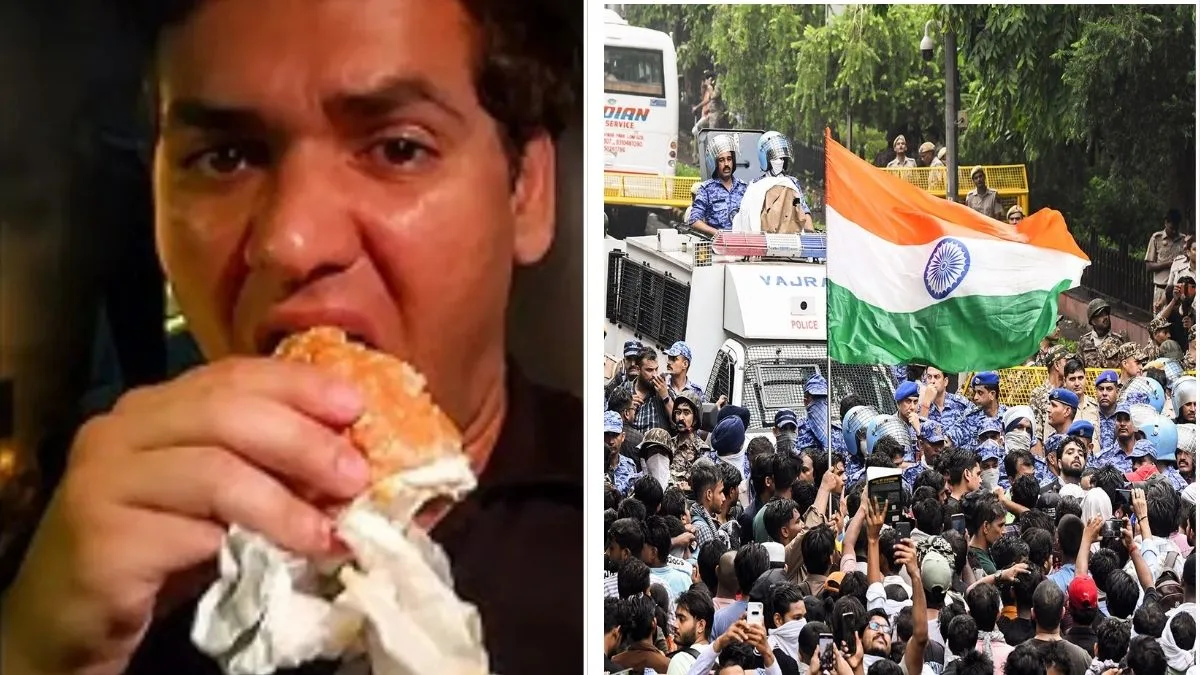
Coping in crisis: Nepal has gone through much lately. In the moments of political upheaval with protesters flooding streets and governments weavering, the nation’s default mood becomes uncertain and scared, resulting in mental health becoming the invisible casualty of it all.
Whether you are living through violent demonstration, power vacuum or slow erosion of democratic norms, the psychological toll can be profound. So in light of the current events of Nepal, this article highlights the effect of the political crisis on mental health and also provides a guide to take care of your psycho-social well-being during political unrest.
Advertisement
Political crises aren’t just institutional, they are deeply personal. The socioeconomic impact of any such movement disrupts daily routines,causes personal losses, fractures communities and induces an atmosphere of hopelessness and fear.
A prospective study published by British Journal of Psychiatry (Khort, et al.) reports the rise of anxiety disorders 26.2 to 47.7 percentage, 17% of the population experienced post traumatic stress disorder while rise in depression was linked to chronic stress-like exposure to violence, poverty and displacement post conflict.
Similarly an article by Himalayan Times during same time highlighted how suicide remains at an all time high and mental health struggles resulted in civic disengagement. These figures aren’t just anomalies. They echo patterns seen in countries like Sudan, Venezuela and Myanmar where political instability triggered widespread psychological distress.
Chronic stress, uncertainty and exposure to violence can lead to long term mental health disorders. Hence, it is imperative to intentionally take care of your mental health .
During times as such, the symptoms of mental health do not always appear as textbook symptoms of disorders such as depression and anxiety. They manifest instead as:
Hyper-vigillence: Constantly scanning for dangers, fight or flight mode, can’t stay still, can rest, or have a sound sleep, relax exaggerated startle response etc. It is a survival response that becomes exhausting over time.
Emotional Numbness: Difficulty in processing the bombarded stimulants of information and events hence feeling disconnected from everything happening around you, people and even yourself. It can be a defence mechanism against overwhelming stress.
Rage or irritability: Anger directed towards institutions, leaders or even loved ones because of despair caused.
Hopelessness: The feeling we feel as a result of not being able to believe things can change and we see our future being bleak. This can lead to apathy, withdrawal or suicidal ideation.
Physical symptoms: Restlessness, being jittery, fatigue, stomach issues which are often manifested due to mental stress.
Invisibility: Feeling that your struggles and existence is insignificant.
Loss of control: Feeling that things are happening to you and you can’t do anything about it. It can lead to feelings of overwhelm, panic and indecision.
Complicated grief: You grieve differently on days like these.you are sad about loss of your property, grieve irreparable loss of lives, may also experience survivors guilt, guilt of not being able to contribute enough.
While these reactions are normal and completely valid, we can intentionally take care of our mental health to maintain resiliency and function under pressure and protect ourselves. Simple regular rituals and intentional care can make sure the symptoms don’t turn into intense issues later. This is my guide to taking care of mental health during political unrest.
Creating personal safety plan
At times of crisis, basic necessities such as food, basic first aid and a secure shelter is imperative. So first and foremost we should stock up on essentials. Likewise you should identify community safe spaces in case of emergency.
Be prepared with your emergency contacts and help line numbers. Thanks to the internet, it is not very hard to locate. Be wary of your rights and local laws. If you are participating in a protest, prioritizing your safety and staying organised is important.
Reclaiming agency through routine and ritual
While everything around us might seem out of control, to prevent spiralling we set an anchor using daily routines. Eating healthy, sleeping and waking up at the same time everyday, working out, creative expression, reading etc should be part of your routine everyday. Rituals like prayers, cooking, morning affirmations, grounding,writing, also help us.
Limiting information consumption and curating to only reliable sources
It is completely natural to want to stay updated all the time at uncertain periods like this. But overdosing yourself with all kinds of reliable or unreliable content letting it dominate your time can be extremely lethal to your mental health.
You can create boundaries such as limiting screen time, scheduling time periods and limits for checking news, using app blocks if you have to, muting hashtags or hiding the media of oversensitive contents, identifying reliable sources and sticking to it etc.
Managing your emotions and regulating yourself
Journaling your thoughts, countering feelings with facts , writing down your fears can help you process it well. Likewise, for physical symptoms manifested by stress, feeling of overwhelm, panic, distress or uncertainty, we can always regulate ourselves using grounding techniques, deep breathing and somatic exercises.
A few examples are i) 5,4,3,2,1 technique i.e describing 5 things you can see, 4 things you can touch, 3 things you can hear, 2 things you can smell, 1 things you can touch. ii) box breathing 4 counts of inhale, 4 counts of pause followed by 4 counts of exhale and 4 counts of pause and repeat iii) bilateral tapping your thighs or your chest and rubbing your hands and scanning your body can also help you regulate.
Likewise sometimes repeating affirmations like ‘I am safe’, ‘I am in control’, etc during can also help. Walking on grass connecting with nature is also a good option.
Building community support
Taking care of mental health is very difficult in isolation. It is in fact a communal responsibility. So leaning on to your family and friends even if by connecting virtually, checking up on them, sharing and listening to experiences and feelings, if possible having a gathering for solidarity and support even if online.
Doing different forms of civic engagement helps you gain a sense of purpose and control . By being a part of the community and by helping others, you are helping yourself.
Seeking professional help
Early interventions save lives. Don’t wait for things to get worse. Times like these many resources even provide affordable if not free help. In this era of technology you can access help by any means,
Political unrest can shake a country and with it its citizens. Taking care of your mental health isn’t a luxury especially at times like these. It is in fact a necessity and should be a priority if we want to sustain our mind and function properly. It’s a way to stay steady and be prepared for what comes next while being resilient in the face of adversity.
So even if you are from Kathmandu, Delhi, Gaza or Caracas, this is a guide to stand steady when the world around you is tilting.
Remember mental health is not only personal. It is political.