Nine killed in landslides, shooting stones in J&K
Nine people were killed in the Jammu division on Monday in landslides and shooting stones triggered by incessant rains in the Poonch and Doda districts.
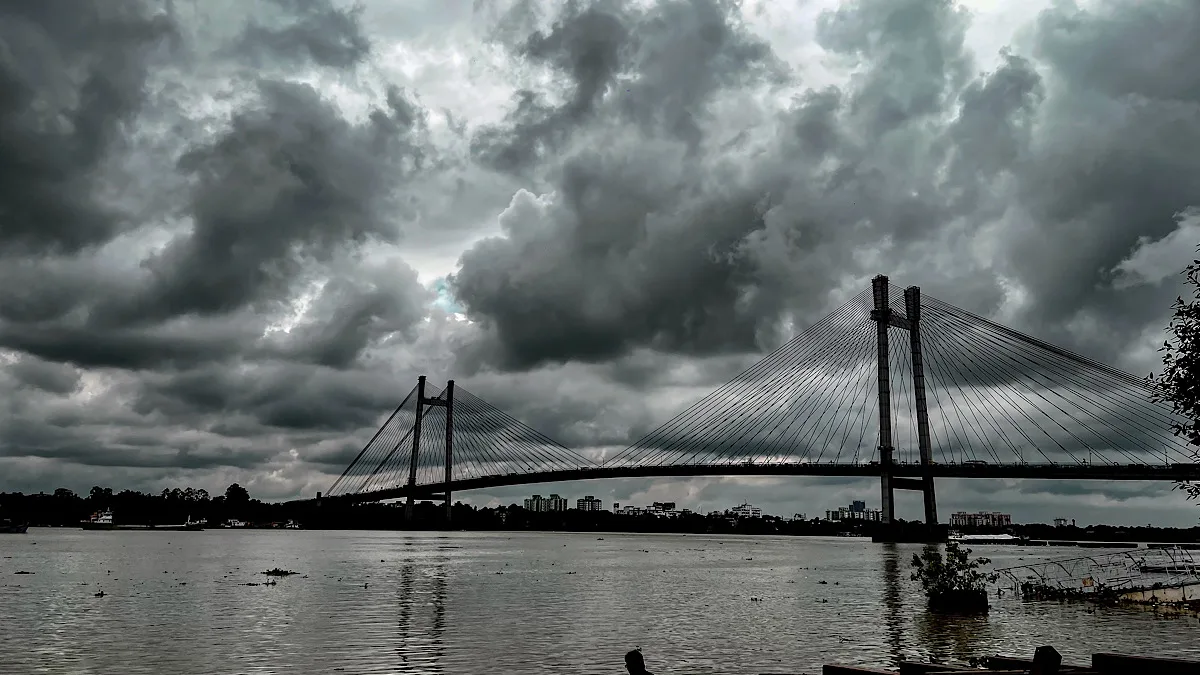
India’s monsoon has always been a paradox ~ revered as a life-giver yet feared as a destroyer.




(IANS)
India’s monsoon has always been a paradox ~ revered as a life-giver yet feared as a destroyer. This year, however, the paradox has deepened into tragedy. Extraordinary downpours have unleashed floods and landslides across half the country, with Punjab facing its worst deluge since the late 1980s. The devastation is not just a quirk of nature but a sign of how monsoon patterns are changing in a warming world. For centuries, the rains were seen as steady and dependable, spread fairly evenly over the four crucial months from June to September. That rhythm is breaking down.
Instead of gradual showers, we now witness bursts of rain compressed into a few hours or days, often following dry spells. These concentrated cloudbursts overwhelm rivers and mountains alike, unleashing floods of a scale that no traditional preparedness can contain. The science behind this transformation is sobering. Warmer oceans are loading the air with unprecedented amounts of moisture. When these heavy clouds collide with the Himalayan slopes, they collapse violently, pouring torrents of water into valleys and rivers. This year, the chaos was amplified by a rare collision between two systems: the Indian monsoon and westerly disturbances from the Mediterranean.
Advertisement
Driven unusually far south by meandering jet streams, these cold air masses acted as a trigger, unleashing relentless rains across northern India. In simple terms, a loaded water cannon met a forceful trigger. The consequences in the fragile Himalayan belt are particularly dire. Glaciers and permafrost, once serving as the cement that bound slopes together, are melting rapidly. Rains now fall at altitudes where snow used to dominate, destabilising entire mountain faces. Entire snowfields have been observed melting within days, sending walls of water rushing downstream. When combined with landslides that block rivers and later burst, the results are catastrophic for communities far beyond the mountains themselves. Yet, while climate change and shifting weather systems provide the context, human choices have made matters worse.
Advertisement
Across the plains, rivers have been hemmed in by encroachments and floodplains converted into settlements. In the hills, highways, tunnels, and hydropower projects have scarred already unstable slopes. Age-old embankments remain unrepaired despite repeated warnings, and clogged urban drainage channels ensure that even moderate rains now translate into urban floods. What might once have been manageable natural events have become full-scale disasters through negligence and greed. This year’s monsoon should therefore be seen as more than a humanitarian crisis; it is an alarm bell. India can no longer treat extreme weather as rare aberrations. They are becoming the new normal. The future of the monsoon ~ our greatest natural asset ~ depends not only on global climate action but also on how quickly we reform local planning, restore rivers and wetlands, and invest in resilient infrastructure. Without such urgency, the rains that sustain us will increasingly betray us.
Advertisement