The two-day GST Council meeting took off on Wednesday with high expectations to push for rate rationalisation, potentially eliminating the 12% and 28% GST slabs in favour of an 18% and 5% structure, with a 40% slab for sin goods.
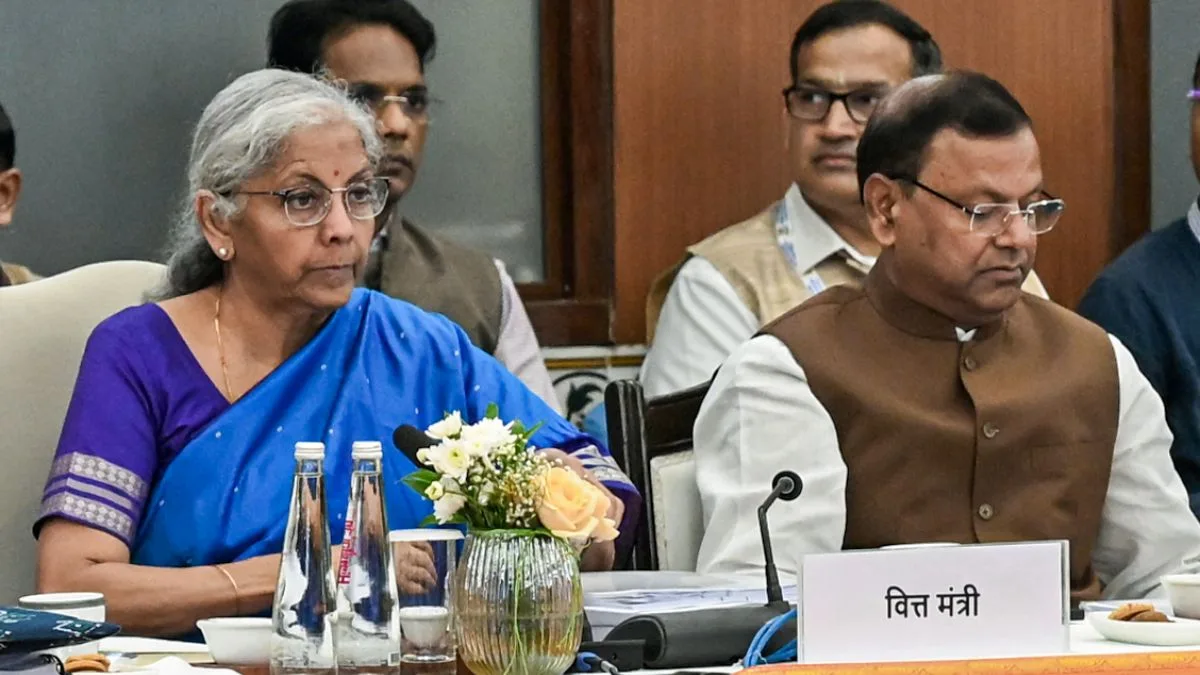
This was the 56th GST Council meeting led by Finance Minister Nirmala Sitharaman in New Delhi.
Advertisement
According to the Centre’s blueprint for GST reforms, around eight sectors will benefit the most from the rate overhaul. These include textiles, fertiliser, renewable energy, automotive, handicrafts, agriculture, health, and insurance.
At the meeting, the council is likely to bring down the tax on daily items from 12% to 5%. These items include carpets, umbrellas, feeding bottles, bicycles, utensils, furniture, pencils, handbags made of jute or cotton, and footwear under Rs 1,000.
Moreover, foodstuffs, including condensed milk, dried fruits, frozen vegetables, sausages, pasta, jams, and namkeens such as bhujiya, may be brought down from 12% to 5% slab.
The GST Council is also discussing a short-term compensation mechanism for states, which will lose revenue due to rate cuts.
However, eight opposition-ruled states have asked the central government to compensate for the revenue loss that might happen if the proposal to rationalise the GST structure is passed in the ongoing meeting.
Coming as a major relief, the council is also likely to cut rates on insurance premiums, making policy covers cheaper. The GoM has proposed exempting health and life insurance premiums from GST, which would be a major relief for policyholders.
Another key likely outcome of the meeting is the proposal to hike the tax rate on luxury EVs priced above Rs 20 lakh from the current 5% to 18%.
The recommendation, put forward by the GST rationalisation GoM, has already sparked strong opposition from EV manufacturers.
Earlier, the Indian Beverage Association urged the Finance Ministry to reduce GST on aerated beverages to 18%. The Association highlighted that the sector has attracted investments worth Rs 85,000 crore, contributes to job creation, and supports rural demand.