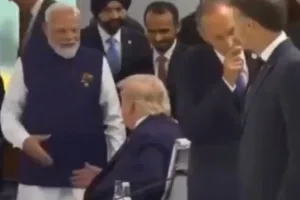
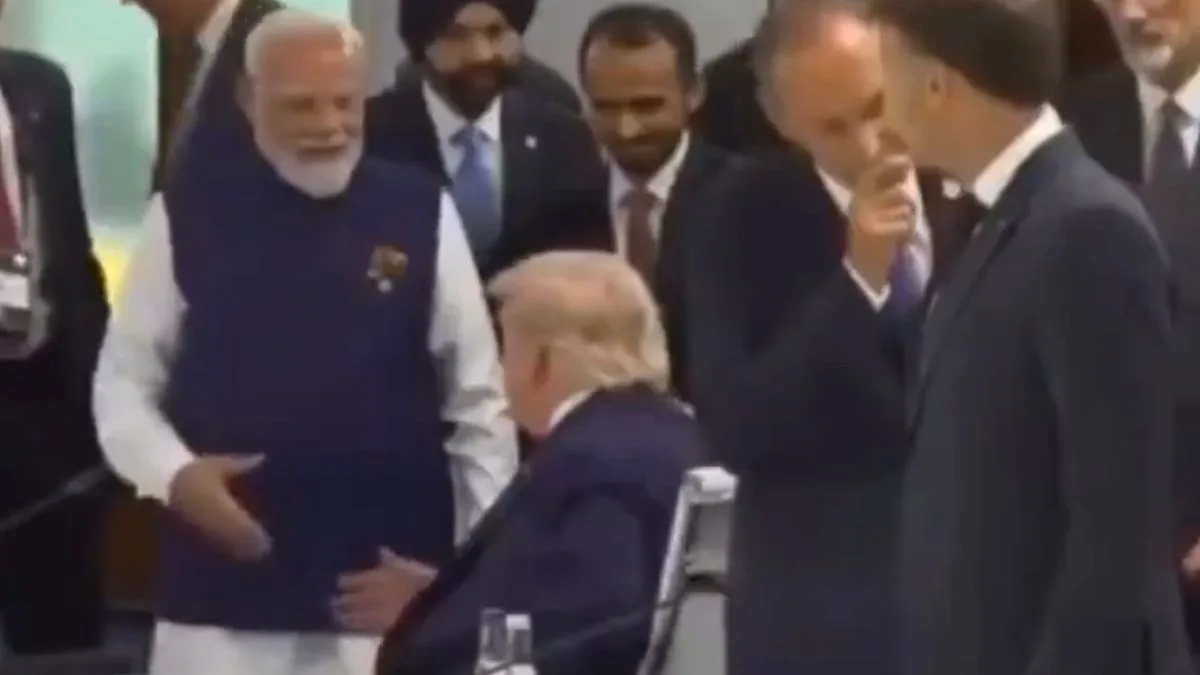
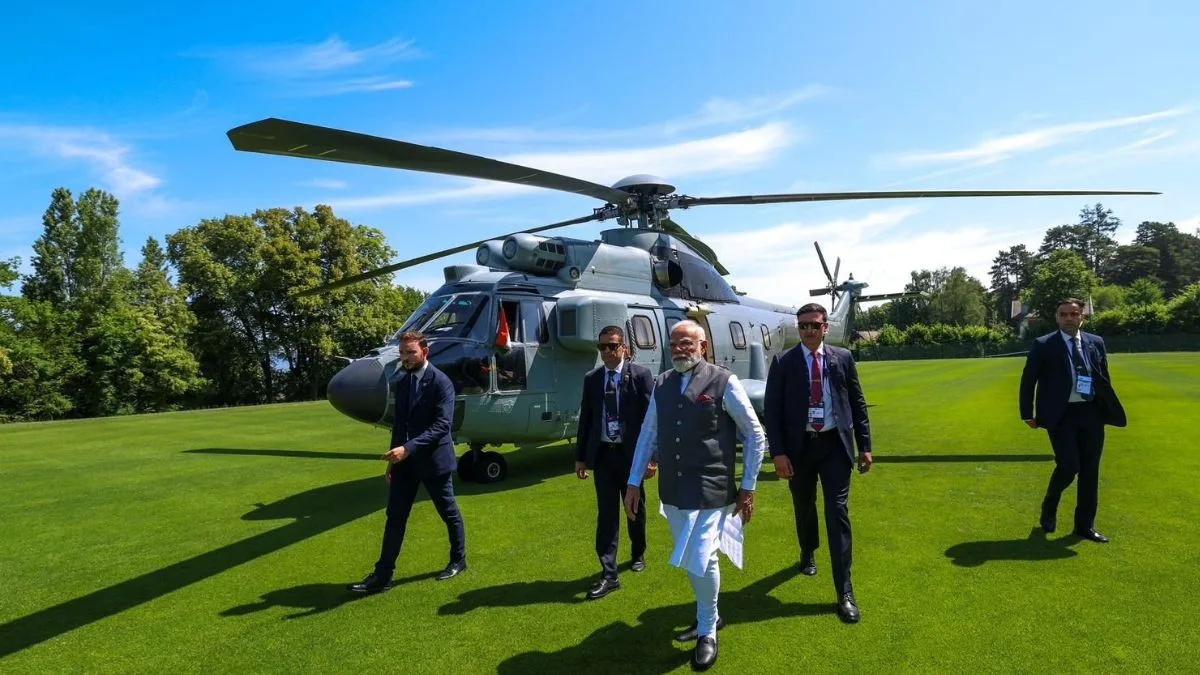
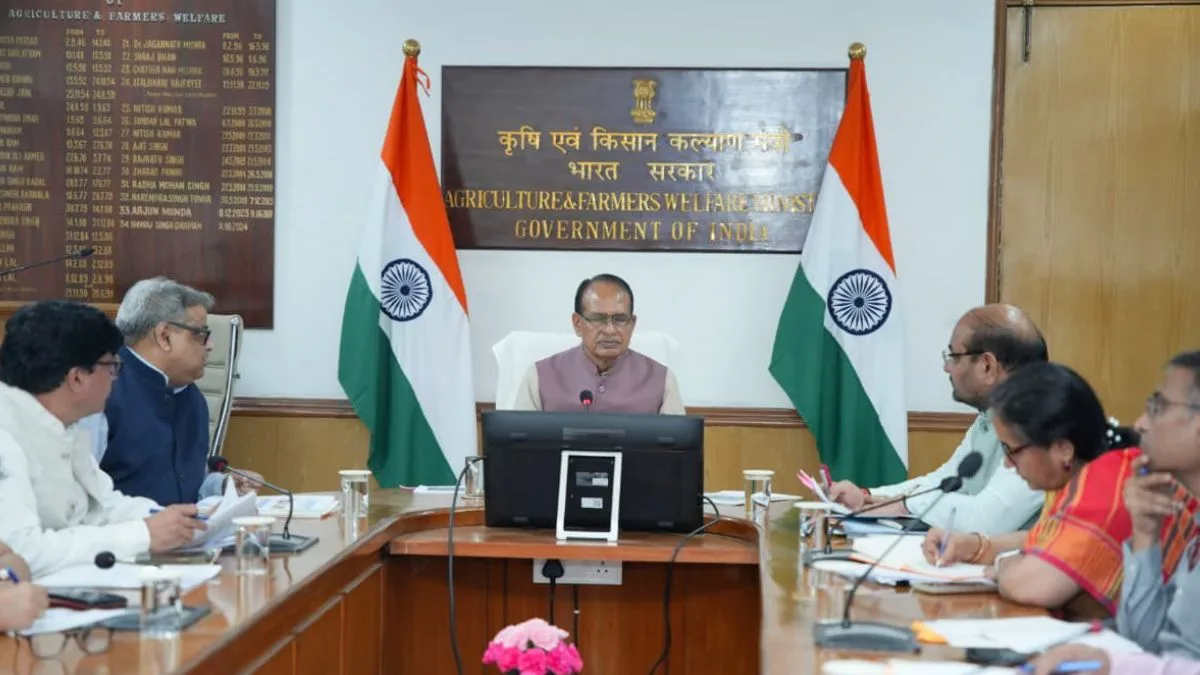
PM Modi, Trump hold brief interaction at G7 Summit in Evian
This was the first face-to-face interaction between Modi and Trump in 16 months and came ahead of their scheduled bilateral on Wednesday.
India and Canada have taken a cautious but necessary step towards repairing one of the most bruising diplomatic confrontations in their recent history.





India and Canada flags
India and Canada have taken a cautious but necessary step towards repairing one of the most bruising diplomatic confrontations in their recent history. The appointment of new high commissioners in Ottawa and Delhi is not just a bureaucratic move but a signal that both countries have realised the costs of prolonged estrangement. The rupture of ties was dramatic. Accusations and counter-accusations over the killing of a Sikh separatist leader in Canada dragged bilateral relations into an unprecedented low. What should have remained a matter of law enforcement and intelligence cooperation quickly escalated into a public spat between two democracies that otherwise share much in common, from trade interests to educational exchanges and the presence of a vibrant diaspora.
The expulsion of senior diplomats underscored how quickly trust had eroded. That both Prime Minister Narendra Modi and his Canadian counterpart Mark Carney chose to meet and agree on a reset shows a pragmatic recognition: neither country benefits from letting the freeze continue. For India, the long-standing frustration over Canadian tolerance of pro-Khalistan groups will not vanish. For Canada, the Sikh diaspora remains a significant domestic constituency. These realities mean that disagreements are not going away. But the re-opening of high-level diplomatic channels ensures that disputes will not be allowed to escalate into permanent hostility. The appointment of seasoned envoys matters. Diplomacy in such strained circumstances requires not just protocol but also political dexterity. New high commissioners will be tasked with rebuilding communication and confidence in an environment where suspicion still lingers.
Advertisement
Their success will depend on whether the two governments allow professional diplomacy to prevail over grandstanding. Rebuilding trust will not be easy. Each side remains wary of the other’s intentions, but diplomacy must operate on patience, persistence, and the recognition that dialogue itself is progress. The larger question is whether both sides can learn to compartmentalise. India’s concerns over separatist activity are tied to sovereignty and security; both are non-negotiable issues. Canada’s stance is shaped by domestic politics, where freedom of expression intersects uncomfortably with radical advocacy. Neither side will abandon its core positions. Yet, the test of mature diplomacy is not in eliminating disagreements but in managing these without letting them poison the entire relationship. Economic and people-to-people ties offer common ground.
Advertisement
Canada remains a magnet for Indian students, and bilateral trade has scope for significant growth. Both countries are part of wider groupings that demand cooperation on climate change, technology, and security. Allowing a single dispute to overshadow these areas is self-defeating. This reset should be seen for what it is: a fragile beginning, not a resolution. Symbolism alone cannot sustain it. Both governments must now demonstrate the discipline to engage quietly, avoid public escalation, and focus on incremental progress. The political will has been signalled. Whether it can survive the next flare-up will determine if this reset marks a turning point ~ or merely a temporary truce.
Advertisement