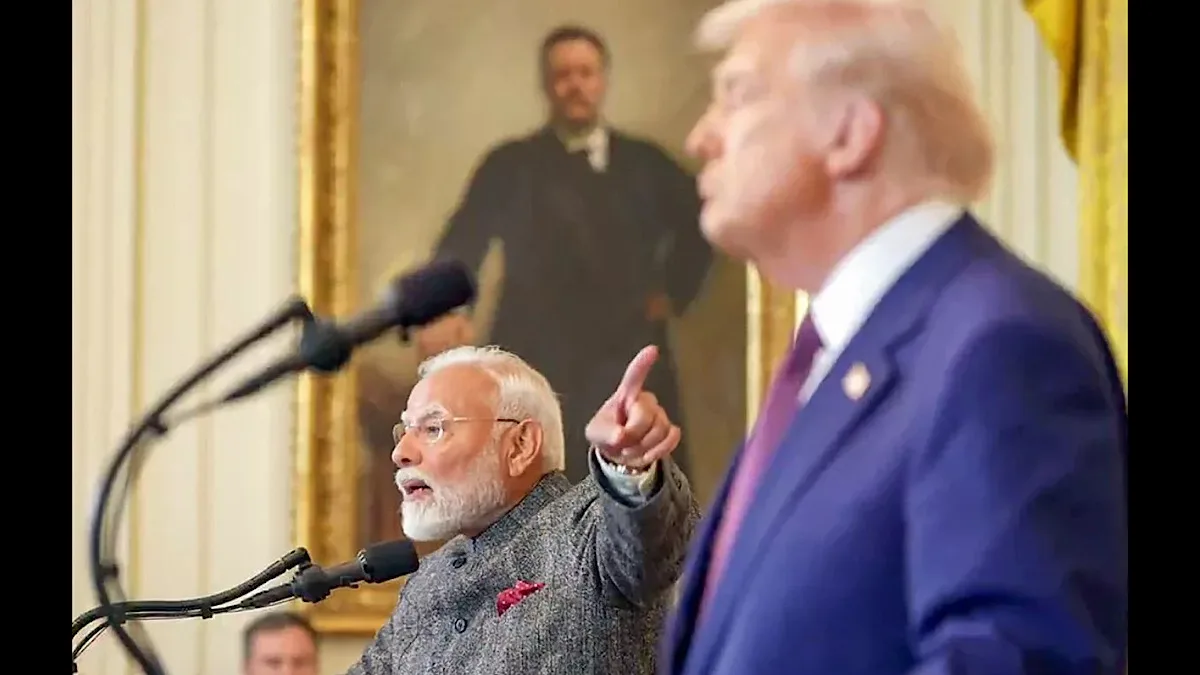
The abrupt cancellation of US trade negotiators’ planned visit to New Delhi from 25 to 29 August, just days before punitive tariffs were to take effect, marks a pivotal moment in US-India relations. Hopes for a breakthrough or even a temporary respite vanished overnight. What should alarm us most isn’t the tariff hike to 50 per cent ~ though that is severe ~ but the clear signal that economic coercion is being wielded as diplomacy.
India finds itself in the crosshairs over its continued purchase of discounted Russian oil, an understandable pragmatic choice. Our energy needs and access to affordable fuel ~ a matter of national interest – should not be overshadowed by geopolitical posturing. Western economies, including the US and EU, continue their own imports from Russia, yet India is singled out. This isn’t just inequitable ~ it’s perilously hypocritical. The US’s stubborn insistence that India open its farm and dairy sectors and abandon energy partnerships is revealing: it demands compromise, but delivers little in return. It is a negotiation tilted in favour of one side, undermining the notion of a truly bilaterally beneficial agreement.
Advertisement
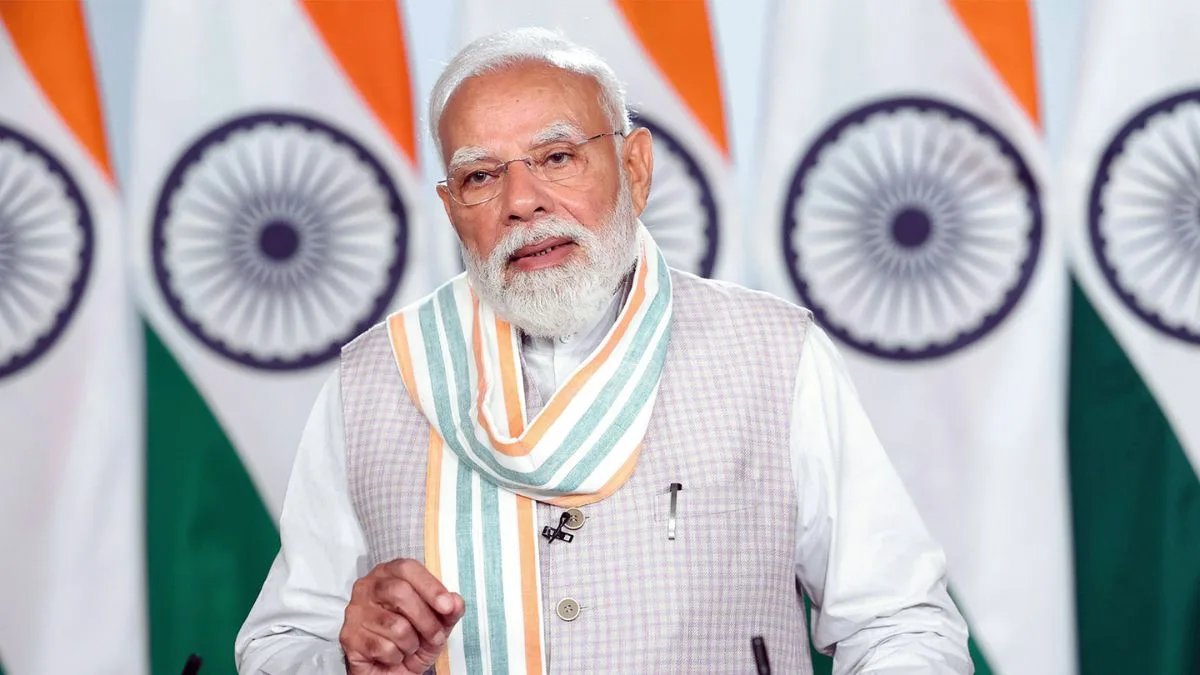
The cancellation of the sixth round of talks underscores that the US isn’t merely frustrated by lagging progress ~ it is weaponising patience. But let’s reflect on India’s broader strategy. Prime Minister Narendra Modi’s Independence Day speech, reiterating self-reliance in manufacturing and a protective stance for farmers, was timely. If external forces aim to impose their will through tariffs, India’s answer lies in economic resilience ~ diversifying markets, adding value internally, and doubling down on “Make in India.”
Even before this crisis, analysts warned that up to 87 per cent of India’s exports to the US could be impacted by reciprocal tariffs; with the escalation to 50 per cent, the stakes are existential for key sectors like textiles, gems, pharmaceuticals, and leather. The tariff escalation is also a wake-up call for India’s exporters. Too often, dependence on a single dominant market leaves businesses vulnerable to sudden shifts in policy abroad. This is the moment to accelerate outreach to Africa, Southeast Asia, and Latin America ~ regions where India’s products are competitive and political frictions less likely to intrude on commerce. There’s also a strategic dimension. A breakdown in trust with India weakens the larger geopolitical architecture of the Indo-Pacific, including the Quad.
Nuanced diplomacy thrives on flexibility, not ultimatums. India remains committed to its global partnerships ~ but on terms that respect sovereign interest and economic logic. In solidarity with global opinion ~ from economists calling the US move “self-destructive” to commentators noting the deepening rift between the two nations ~ India must proceed carefully but firmly. The turn of events is not a setback, it is a crucible. It tests India’s capacity to stand tall amid multinational pressure, to modernise strategically, and to uphold our values of autonomy, fairness, and resilience. Let the world know: India does not yield under coercion but will always engage on its own terms.