Fractured Union
For decades, India’s political system rested on a quiet understanding
Hailed as mountain monarchs, the Nigri Tahr, state animal of Tamil Nadu, has witnessed a significant rise in its population in the Western Ghats abutting Kerala, indicating the success of the conservation efforts of the state government.




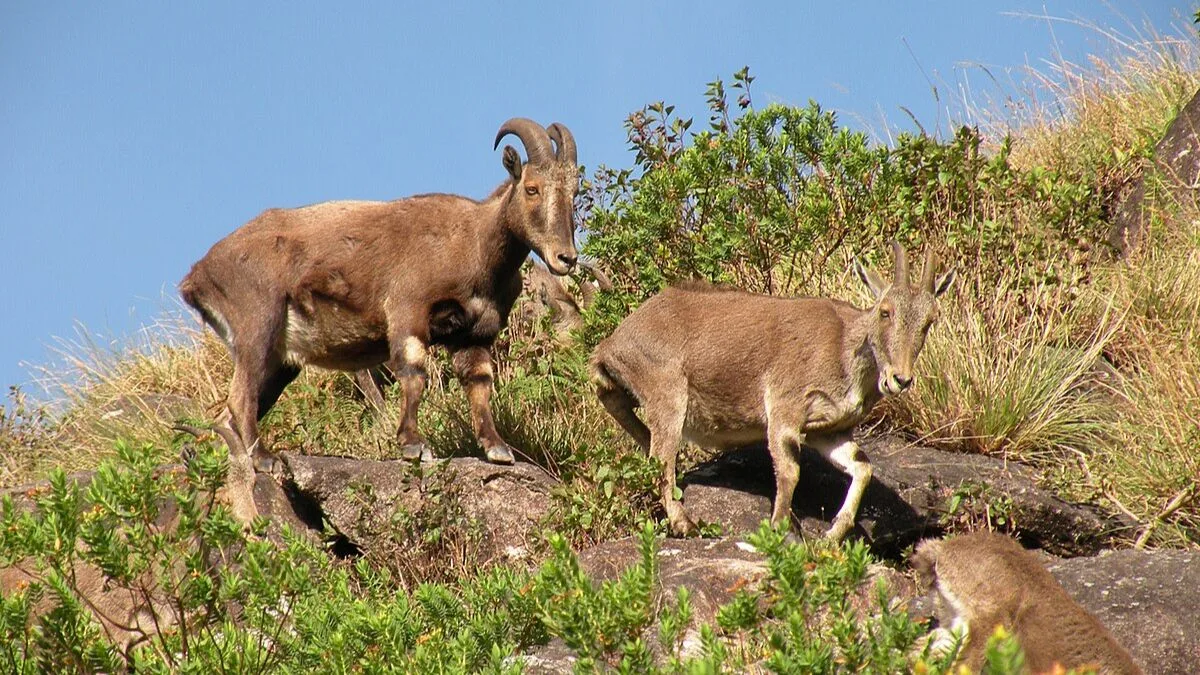
Photo: Wikipedia
Hailed as mountain monarchs, the Nigri Tahr, state animal of Tamil Nadu, has witnessed a significant rise in its population in the Western Ghats abutting Kerala, indicating the success of the conservation efforts of the state government.
From 1,031 animals in 2024, the number of the endangered wild goat species has gone up to 1,303 in 2025 reveals the Second Synchronised Survey, held in April this year. The report of the survey was released by Tamil Nadu Forest Minister RS Raja Kannappan in Chennai on Tuesday.
Advertisement
Home to the southern Western Ghats, the Nilgiri Tahr is considered the mountain monarchs since they live primarily on cliffs, steep mountain slopes and ridges, with their hooves providing a firm grip, to avoid predators. Culturally and ecologically significant, they have found a place in the Sangam literature itself. Declared as the state animal in 1988, they receive the highest legal protection under the Wildlife Protection Act 1972.
Advertisement
The survey was carried out by the team of 786 field staff of the Forest Department across 177 Blocks in 14 Divisions, covering 3,126 km by foot for four days from April 24. April was chosen since the calves are born in December-January and ideal to sight the young and the female. Further, the environmental conditions too are favourable for greater visibility during this period.
This annual survey is part of the ambitious Project Nilgiri Tahr launched by the state government in 2023 with an outlay of Rs 25.24 crore for species recovery through scientific and evidence-based methods, including radio collaring, drone surveillance and community engagement. The Nilgiri Tahr plays a vital role in the conservation of grasslands and water conservation.
Shrinking habitat, forest fires and infrastructure development and spread of invasive plant species as well as poaching are the threats faced by this endangered species.
Advertisement