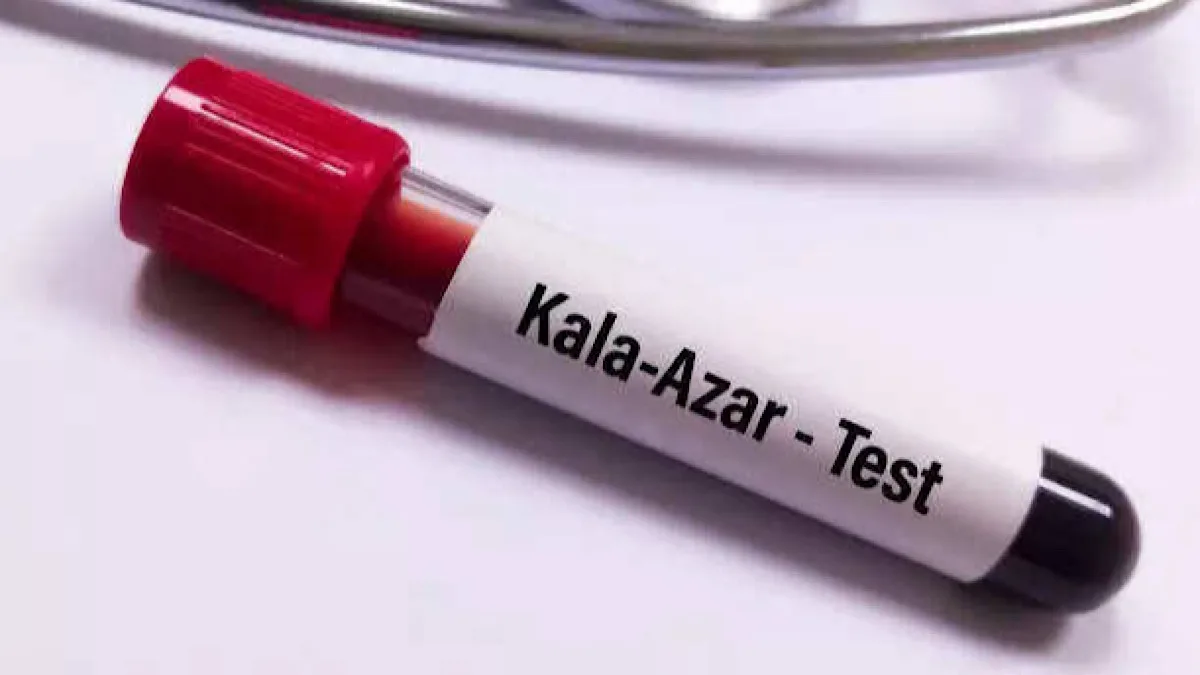
Dreaded disease Kala-azar, commonly known as ‘ Black Fever’, is no longer a threat in Uttar Pradesh, as now this disease is limited to just three districts in the state. In these districts, too, the reports of Kala-azar have been relatively fewer, with only seven reports registered since January.
According to officials here on Thursday, this disease, found in the districts adjoining the Nepal border, is currently limited to Deoria, Kushinagar, and Ballia. Whereas earlier, six districts of the state were affected, which included Kushinagar, Deoria, Ballia, Banaras, Ghazipur, and Bhadohi.
Advertisement
Joint Director (Kala-azar) Dr A K Chaudhary told ‘ The Statesman’ that Kala-Azar disease had been considered eradicated in 2019 due to one case per 10,000 population in the state. According to the WHO standards, if one patient is found per year in a population of ten thousand in a block, then it is considered in the category of ‘eradication’.
Till now, fewer than the standard number of patients have been found in the state. In such a situation, this disease comes under the category of ‘eradication’.
In 2024, one patient was found in Deoria, seven in Kushinagar, and two in Ballia affected by Kala-azar.
Dr Chaudhary said that this disease has been put in the category of ‘eradication’ when fewer than the standard number of patients are found. ”But it has not been considered eradicated at the national level yet. The reason behind this is that it is still prevalent in states like Jharkhand, Odisha, and Bihar, due to which it has not been included in the category ‘eradication’,” he said.
Kala-azar, also known as Leishmaniasis, is a communicable disease caused by the parasite Leishmania donovani. This disease is spread by the bite of a female sandfly (phlebotomine sandfly), which spreads the parasite. The main organs affected by Kala-azar are the liver, spleen, and bone marrow.