In a move to address long-standing concerns over cross-border infiltration, authorities in Tripura have constituted a Special Task Force (STF) in West Tripura district to identify and deport illegal immigrants from neighbouring countries, particularly Bangladesh and Myanmar.
District police officials confirmed the formation of the task force on Friday.
Advertisement
The 15-member STF, spearheaded by a senior Deputy Superintendent of Police (DySP), will work in coordination with the officers-in-charge of all police stations in the district.
Its primary mandate is to trace, verify, and initiate deportation procedures against unauthorized foreign nationals—especially those identified as Bangladeshi nationals or Rohingya refugees who may have entered India through porous borders.
As per an official order issued by West Tripura Superintendent of Police Kiran Kumar, once individuals are flagged as illegal immigrants, the STF will collect their biometric details, including fingerprints and facial photographs, along with demographic data.
This information will be uploaded to the central Foreigners’ Identification Portal—part of a nationwide system to streamline tracking and processing of undocumented foreign nationals.
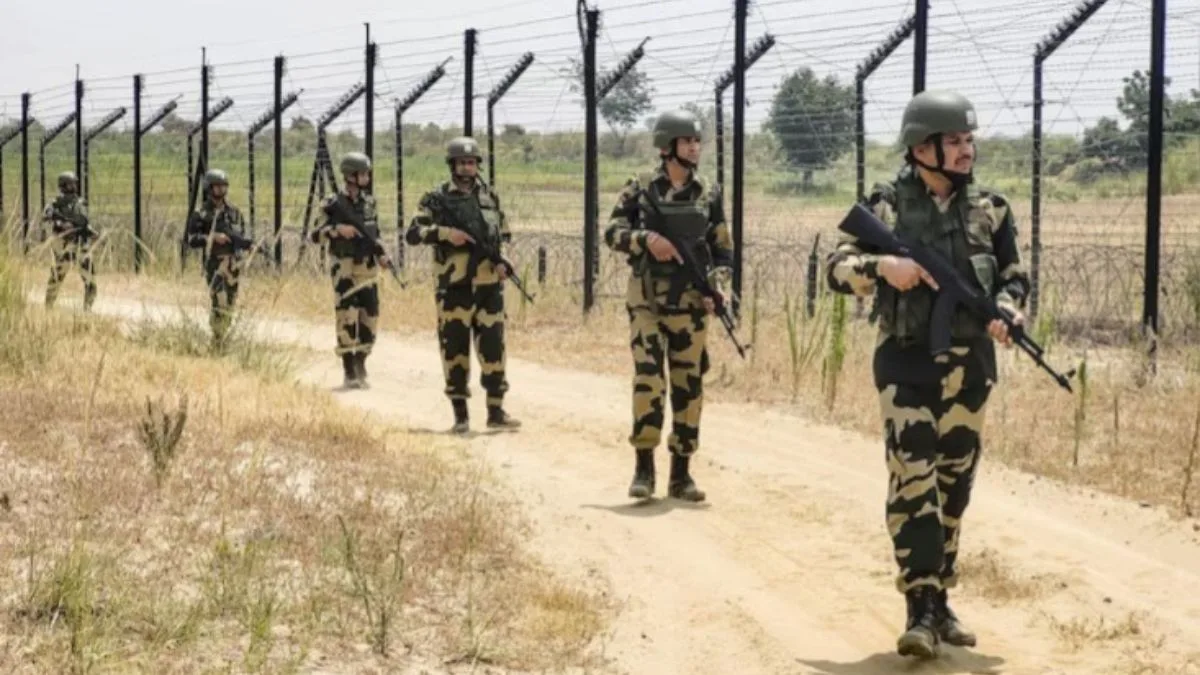
After verification, such individuals will be handed over to the Border Security Force (BSF), the nodal agency for executing deportation orders.
In parallel, the District Intelligence Bureau (DIB) has been instructed to compile and maintain detailed case records, to be updated on a weekly, fortnightly, and monthly basis for administrative monitoring and follow-up.
The initiative has been welcomed by the Tipra Motha Party (TMP), which has consistently raised the issue of demographic changes in Tripura caused by unchecked immigration.
TMP chief Pradyot Kishore Manikya Debbarma took to social media to express his support, praising the police and appealing to indigenous citizens to report any suspicious movements or individuals in their areas.
“This is a step in the right direction,” Debbarma stated. “When people raise their voices collectively, change becomes possible. Our persistent pressure on the government has finally yielded action. I urge every genuine citizen of Tripura to stay vigilant and report such activities in the interest of preserving our cultural identity.”
Tripura, which shares a 856-km long border with Bangladesh—much of it unfenced or vulnerable—has been grappling with cross-border infiltration for decades.
The STF is expected to work in close coordination with national intelligence agencies, the BSF, and state departments to improve surveillance, build community intelligence, and take prompt legal action.